

RDCs Must Now Arrest Corrupt Officials, Museveni Directs
President orders shift from bureaucratic reporting to proactive action in corruption fight
KAMPALA, Uganda — President Yoweri Museveni has issued a firm directive ordering Resident District Commissioners (RDCs) and Resident City Commissioners (RCCs) to take direct action against corrupt individuals, including making arrests where credible evidence exists, in a major overhaul of Uganda’s anti-corruption strategy.
The President’s guidance, revealed over the weekend, marks a decisive shift from what he described as a largely “report-based” approach that has for too long allowed suspects to remain comfortably in office while bureaucratic processes drag on. By the time investigations conclude, evidence often disappears, records are altered, and witnesses are compromised, Museveni noted.
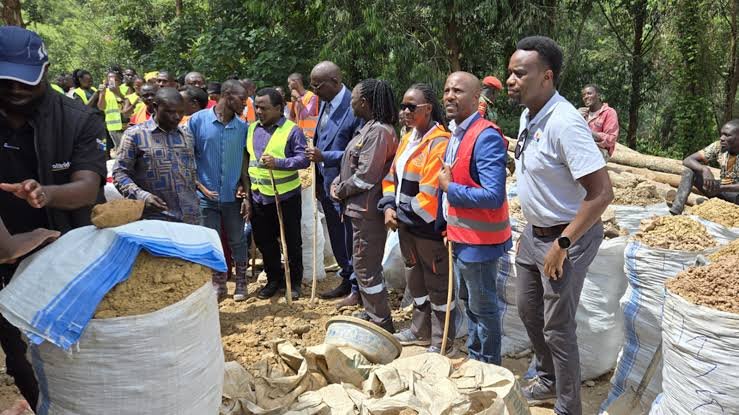
The directive comes amid criticism of Ministers Balaam Barugahara and Justine Nameere, who were accused of bypassing procedure after openly exposing corruption and making impromptu arrests during anti-corruption monitoring tours. Critics labelled their actions kutomera—a local term for circumventing established protocols.
But in a letter to the ministers, Museveni defended their proactive stance and made it clear that bureaucratic delays must not become “a shield for corruption.” He directed that RDCs, who fall under his supervision as the responsible minister, must now move beyond reporting to acting swiftly once lawful grounds for arrest are established.
A Long-Standing Commitment
The President’s renewed vigour is rooted in the National Resistance Movement’s (NRM) Ten-Point Programme, which identified the elimination of corruption as its seventh pillar long before the Movement took power. Since then, the government has established and strengthened key institutions, including the Inspectorate of Government, the Office of the Auditor General, the RDC structure, and the State House Anti-Corruption Unit.
Yet despite these efforts, corruption cases have continued to stall. Recent statements from Deputy Inspector General of Government Dr. Patricia Ochan Okiria, State House Anti-Corruption Unit head Brig. Gen. Henry Isoke, and former Inspector General Beti Kamaa have all pointed to fierce resistance and “fight-back” orchestrated by powerful individuals seeking to evade accountability.
“Patriotic Ugandans Already Understand”
The President’s position, according to a senior official familiar with the directive, is one that many patriotic Ugandans already share: corruption must be confronted when it is discovered, not months later after public resources have been lost and evidence destroyed.
“This guidance is now operational,” the official said. “RDCs and RCCs are expected to act decisively, within the law, to ensure that corruption does not find safe harbour in procedural delays.”
The directive effectively places RDCs on the frontlines of Uganda’s anti-corruption war, empowering them to make arrests and take immediate action rather than merely documenting wrongdoing and forwarding reports to distant authorities.
As the government accelerates its push, the message from State House is unequivocal: the era of corruption hiding behind red tape is over.
About The Author