
For decades, the search for water has shaped life for pastoral communities in Karamoja. Every dry season, thousands of livestock were driven across long distances in search of water and pasture, forcing families to migrate and exposing animals to disease, theft and conflict.
Today, that pattern is slowly changing.
In Amudat District, the rehabilitation of Akura Oyan Dam is giving livestock keepers a reliable source of water, while improved veterinary services across the region are helping communities tackle diseases that have long threatened their animals and livelihoods.
The interventions, supported by the Food and Agriculture Organization of the United Nations (FAO) through the Project for Pastoralism and Livestock Adaptation to Climate Change in Eastern Africa (PLACE), are strengthening resilience in one of Uganda’s most climate-vulnerable regions.
Located in Kadikita Sub-county, the Akura Oyan Dam has become a lifeline for pastoralists from Amudat and neighbouring communities.
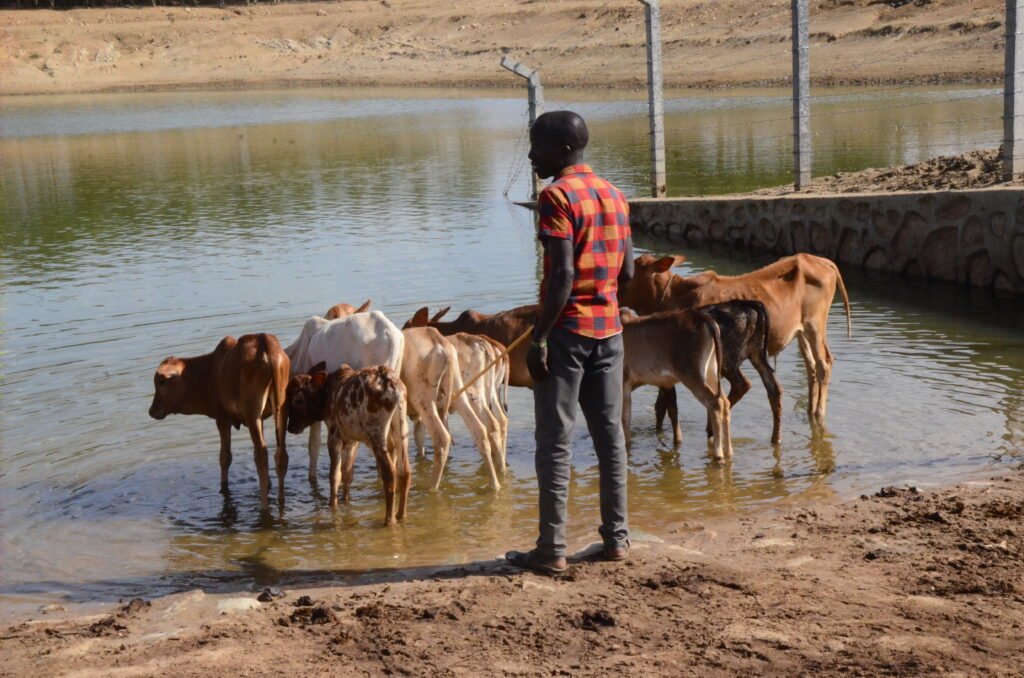
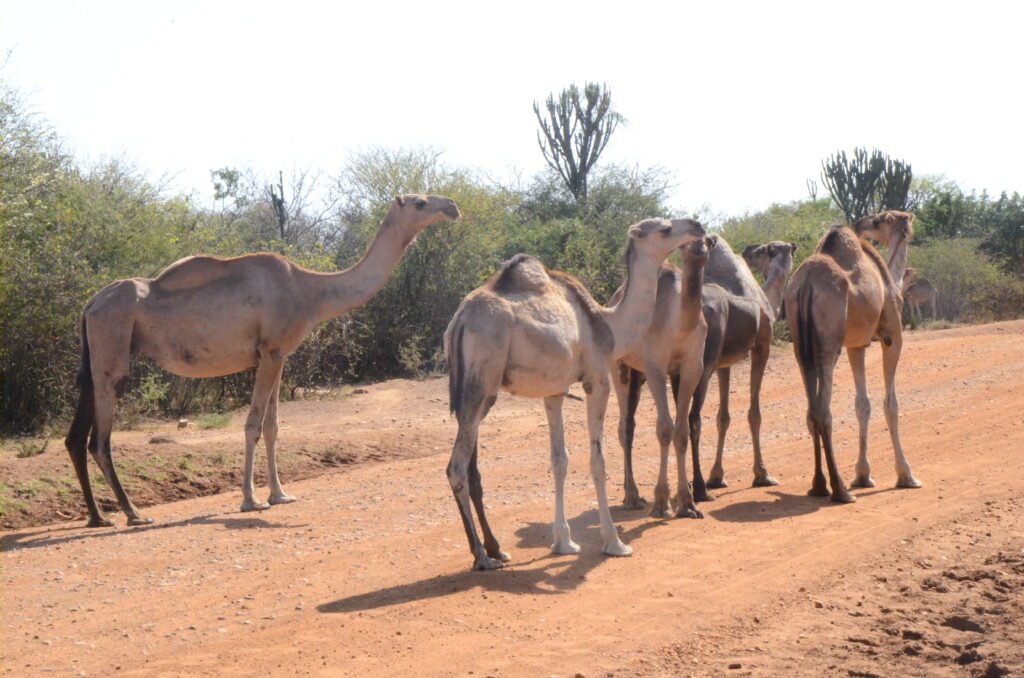
Following rehabilitation, the dam now has the capacity to store up to 20,000 cubic metres of water, enough to support between 3,000 and 4,000 head of cattle during normal periods. Even in the harshest months of the dry season, it continues to provide water for about 1,000 cattle, alongside sheep and camels.
For livestock keeper Michael Kaziro, the dam has eased one of the biggest challenges pastoralists have faced for generations.
“Karamoja is very dry, but this dam now serves pastoralists from Rosdo and Amudat. During the dry season, water used to disappear long before the rains returned, forcing us to move our animals over long distances. Although some still migrate in search of pasture, access to water has greatly improved,” he says.
For communities across Karamoja, livestock are far more than economic assets. Cattle, goats and sheep represent wealth, provide milk and meat, and are central to cultural practices such as the payment of bride price.
However, increasing droughts, shrinking grazing land and unreliable water sources have placed growing pressure on pastoral livelihoods.
FAO says improving water infrastructure is only one part of a broader strategy to help pastoral communities adapt to climate change.
Animal health remains another critical challenge.
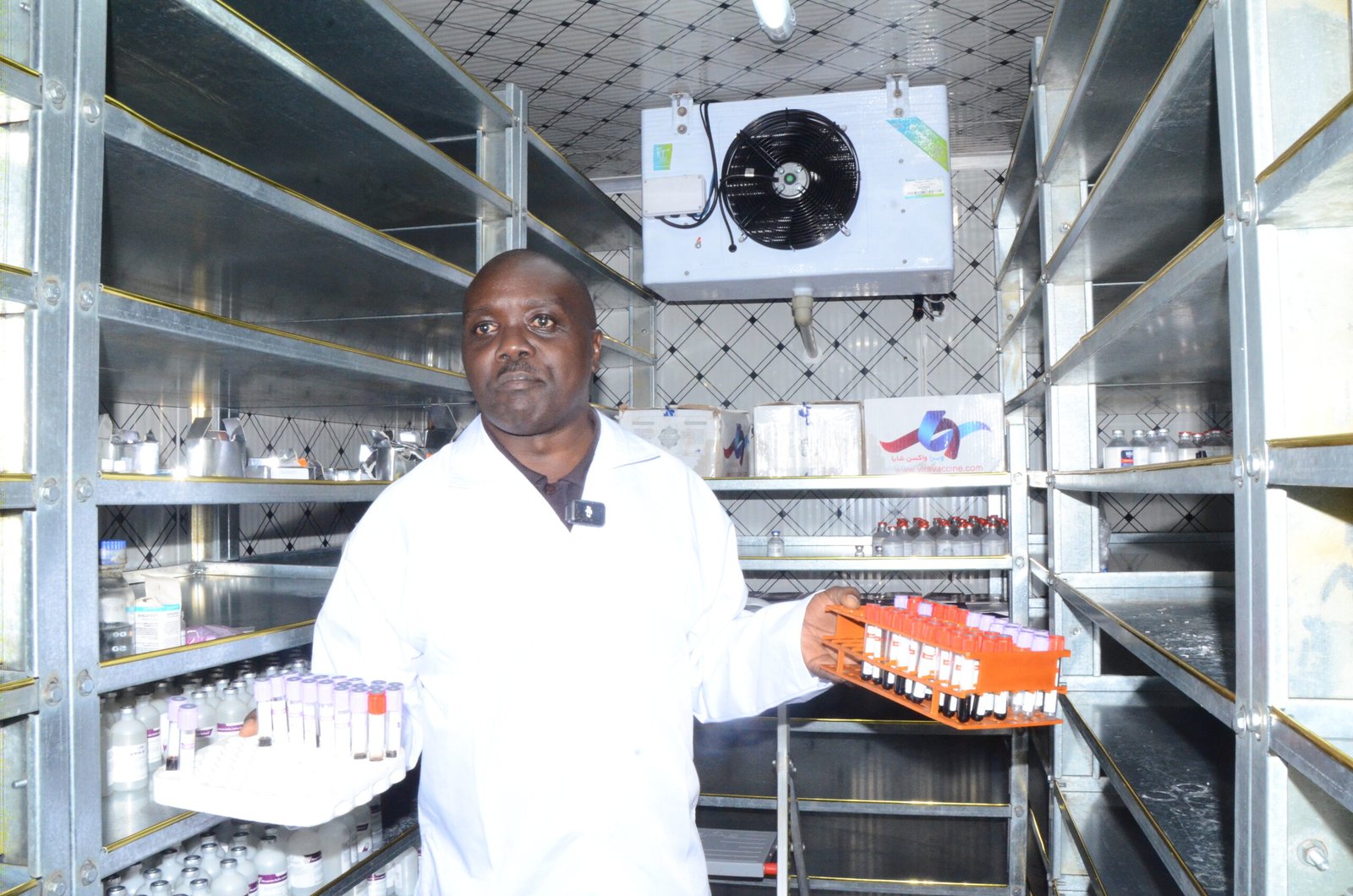
According to Dr Moses Okino, the principal veterinary officer and district veterinary officer for Moroto, diseases continue to threaten livestock production across Karamoja, making surveillance and laboratory testing essential.
“We examine animal samples, monitor disease patterns and generate information that guides vaccination campaigns,” he says.
“Our work goes beyond diagnosing diseases. We generate scientific evidence that supports vaccination campaigns, protects public health and enables Uganda to access regional and international livestock markets.”
The regional veterinary laboratory, supported through the PLACE project, serves Uganda as well as neighbouring pastoral communities in Kenya, South Sudan and Ethiopia.
It focuses on detecting and monitoring diseases such as anthrax, brucellosis, rabies and other transboundary animal diseases that spread easily as livestock move across borders.
Cross-border movement has long been part of pastoral life in the Horn of Africa, particularly during prolonged droughts when herders search for pasture and water.
Michael Adey, FAO’s Programme Analyst for Farmer Field Schools and Livestock Production, says strengthening regional animal health systems is critical because livestock movements rarely stop at national borders.
“Pastoral communities have always depended on shared natural resources. When drought strikes in one country, livestock and their owners move across borders in search of water and pasture,” he says.
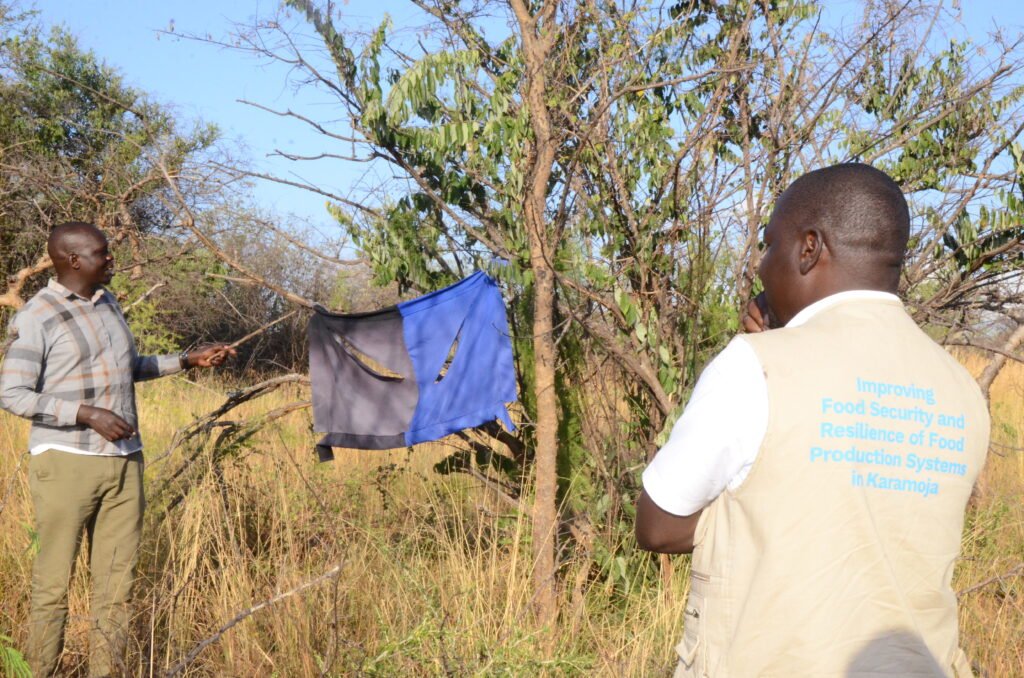
The project is also addressing diseases spread by insects, particularly trypanosomiasis, which affects cattle and significantly reduces agricultural productivity.
In Kotido District, district production officer Dr Joseph Longoli says the disease has historically weakened the oxen that farmers rely on to cultivate their land.
“When those animals lose their draft power, farmers cannot cultivate enough land, and that contributes directly to household food insecurity,” he says.
The district previously recorded more than 1,000 tsetse flies per trap each day, with laboratory analysis showing that about one in every four flies carried trypanosome parasites.
The impact on households was severe.
Sick animals produced less milk, lost body condition and fetched lower prices in local markets. Bulls that once sold for about Shs2 million could lose much of their value after infection.
Following sustained vector control interventions, however, the situation has improved significantly.
“Where we previously trapped about 1,000 flies per day, we are now seeing between 50 and 100. The prevalence of infection has also dropped from about 25 percent to around 10 percent,” Dr Longoli says.
The combined investments in water infrastructure, disease surveillance and veterinary services are helping pastoral communities build resilience against climate change while protecting one of Karamoja’s most valuable assets.
For families whose livelihoods depend almost entirely on livestock, access to water and healthier animals means more than improved production. It reduces the need for risky migration, strengthens household incomes and improves food security in a region where climate shocks continue to test the resilience of pastoral communities.
About The Author