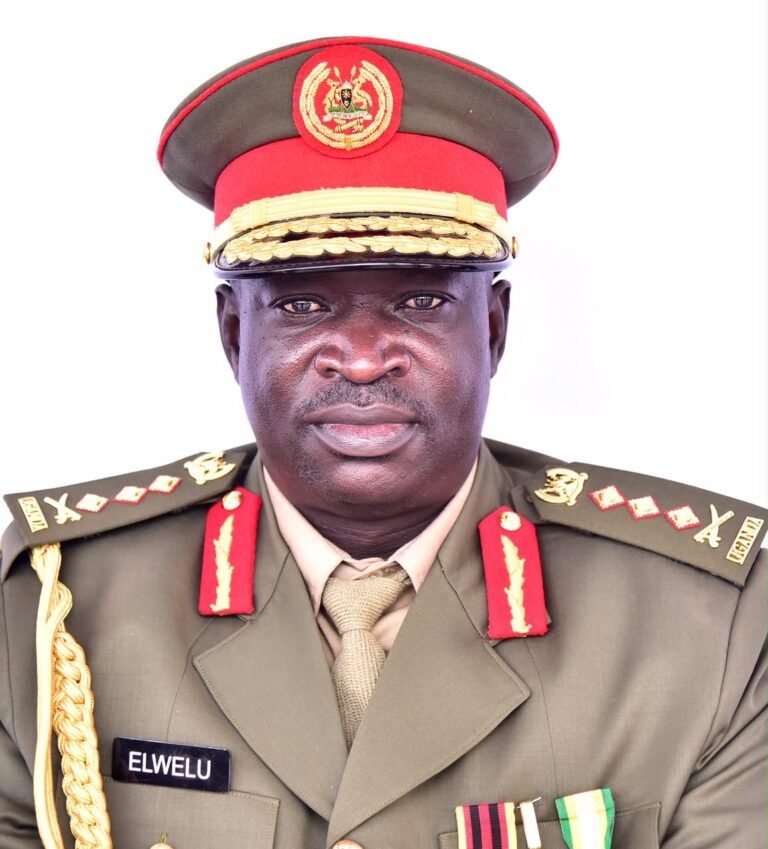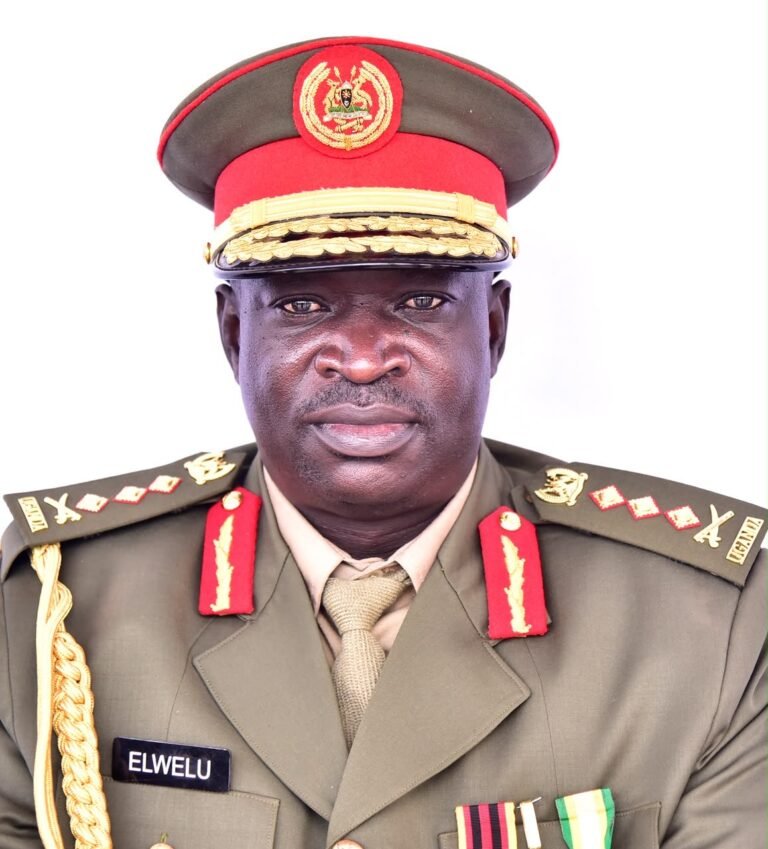

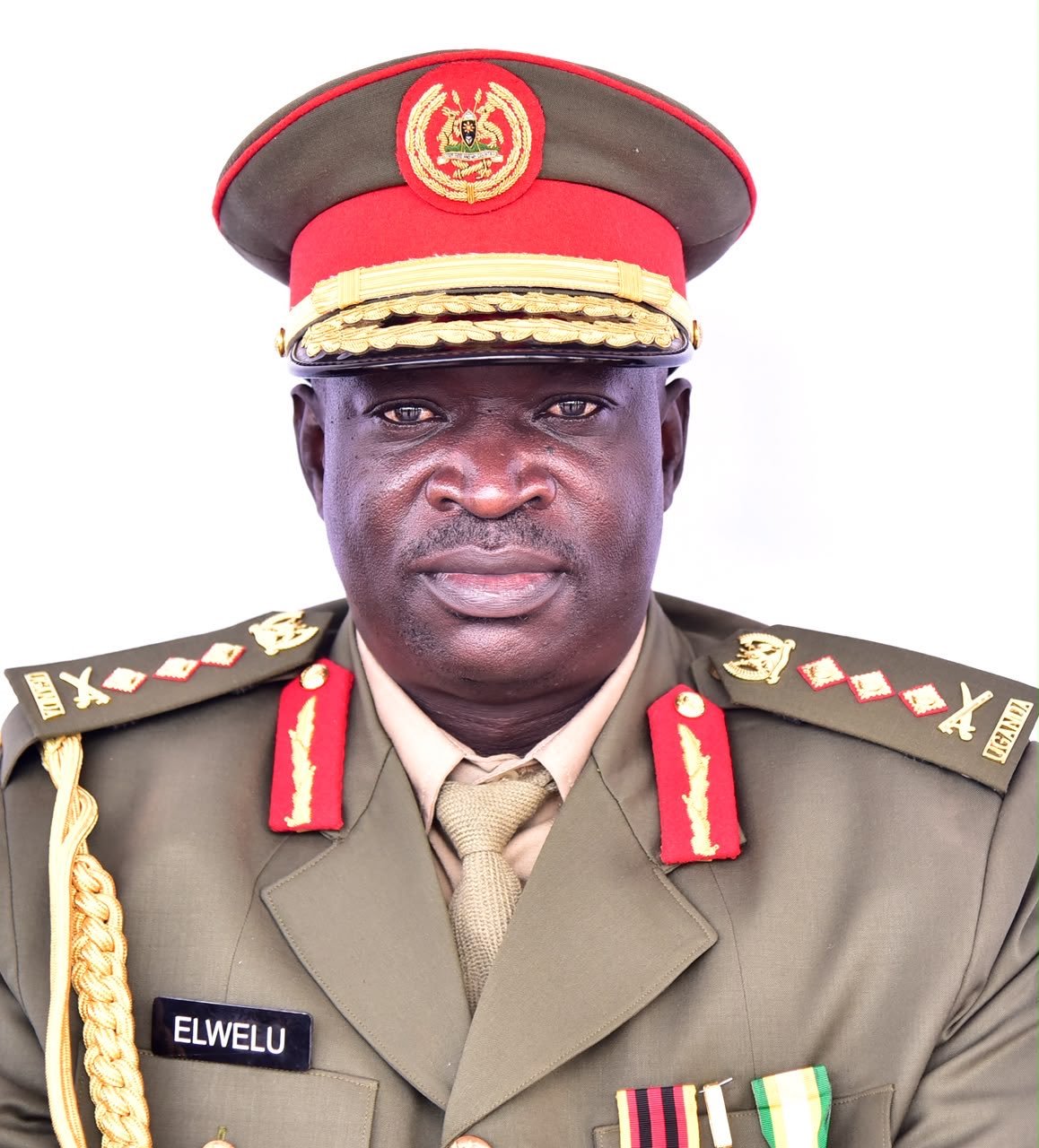
Kampala, Uganda – The political discourse surrounding the reported arrest of Lt. Gen. Peter Elwelu has intensified on social media, prompting a series of public exchanges among senior Ugandan leaders, with the latest intervention coming from Barugahara Balaam, who is calling for statesmanship and restraint.
The unfolding online saga began when Calvin Echodu, the National Resistance Movement (NRM) Vice Chairperson for Eastern Uganda, issued a statement regarding the arrest of Gen. Elwelu over security-related allegations by the UPDF. Echodu expressed concern over news of a “possible insurgency brewing in Teso,” noting that he and other leaders had consulted with responsible institutions and informed President Museveni of the region’s concerns. He urged the public to remain calm and called for a transparent inquiry.
Echodu’s statement, however, drew a sharp and highly personal rebuke from Hon. Mwesigye Frank. In a scathing response, Mwesigye accused Echodu of defending a “criminal,” attributing his stance to bitterness over a failed ministerial appointment. Mwesigye vehemently denied any tensions in Teso, stating that locals welcome the arrest. He further alleged that Echodu and four other high-profile Ugandans from the region have been financially supporting Elwelu, warning that anyone financing or harbouring a rebel will face the law.
The heated exchange caught the attention of Prof. V. Baryamureeba, who stepped in to defend Echodu. Baryamureeba reminded Mwesigye of Echodu’s standing as the elected NRM Vice Chairperson for Eastern Uganda and a representative of the government in power, urging him to “accord him some respect” and noting that social media posts remain permanent public records.
Amid the escalating tension, Barugahara Balaam has now entered the fray with a diplomatic appeal directed at his “dear friend” Echodu. Addressing Echodu as an NRM Central Committee member, Balaam urged for a de-escalation of the rhetoric, calling for the highest level of “objectivity, wisdom and statesmanship.”
“I wish to respectfully appeal that we approach this matter with the highest level of objectivity, wisdom and statesmanship, and avoid viewing it through political, tribal or regional lenses,” Balaam wrote. “Matters touching on national security are particularly sensitive and deserve sober reflection, restraint and careful consideration.”
Balaam emphasized the importance of allowing an impartial and independent investigation to establish the facts before conclusions are drawn or positions are taken. He also called for trust in the country’s military leadership, specifically highlighting the experience of the Commander-in-Chief, President Yoweri Kaguta Museveni, and the Chief of Defence Forces, General Muhoozi Kainerugaba.
“We should also recognise the experience and institutional responsibility of our Commander-in-Chief… and Chief of Defence Forces… who have considerable experience in assessing intelligence and weighing its implications before decisions are made,” Balaam stated, adding that their commitment to the nation’s wellbeing should not be overlooked.
Concluding his appeal, Balaam urged leaders to demonstrate maturity and mutual respect, stating: “Above all, let national interest prevail over personal, political, tribal or regional considerations. I make this appeal in the spirit of friendship, patriotism and our shared commitment to the peace, unity and stability of our beloved country.”
The ongoing public dialogue highlights the deep political sensitivities and the careful balancing act required by leaders navigating security matters and regional interests in Uganda.
About The Author