
Security Checkpoint Sparks Days-Long Gridlock on Key Kampala-Entebbe Road
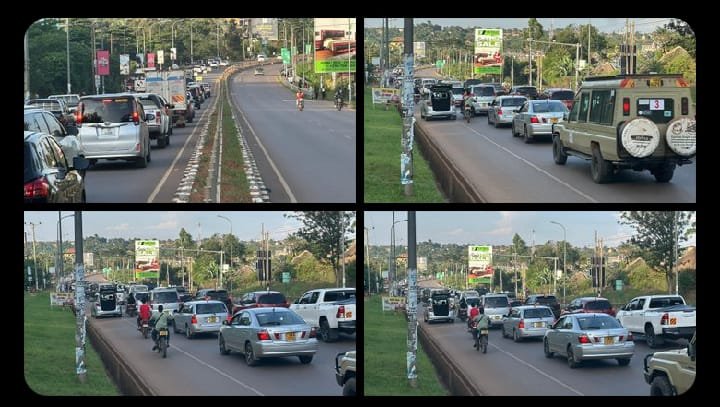
KITUBULU KATABI, WAKISO DISTRICT — A heavy security checkpoint established at Kitubulu Katabi on the vital Kampala-Entebbe Road has caused severe traffic gridlock for multiple days, frustrating thousands of motorists.
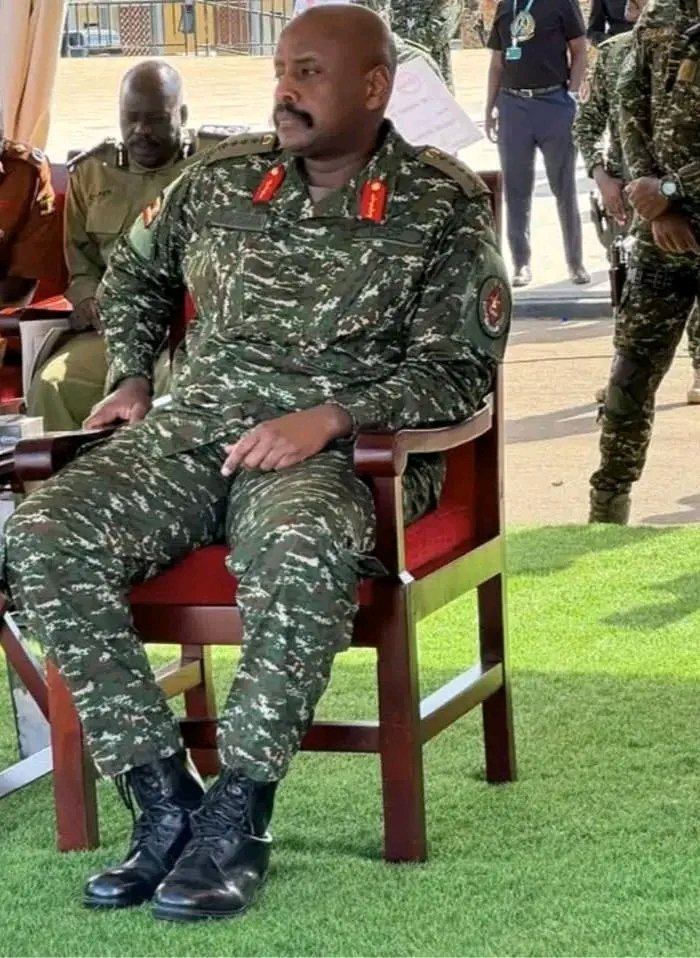
The checkpoint, manned by armed security operatives, requires all drivers to stop and submit their personal particulars for scrutiny before being allowed to proceed. The exact reason for the heightened security operation has not been officially disclosed.
The disruption began shortly after the declaration of results for the January 15, 2026 presidential election. The Electoral Commission announced incumbent President Yoweri Kaguta Museveni as the winner, a outcome vehemently rejected by opposition groups who have labelled the polls a sham.
While authorities have not linked the checkpoint directly to the post-election climate, its timing has led many commuters and observers to draw a connection. The road is a major artery connecting the capital, Kampala, to Entebbe International Airport and several key towns.
“I have been in this traffic for over three hours for a journey that normally takes 40 minutes,” said an exasperated driver, who preferred anonymity. “They are checking every single document, asking many questions. No one is telling us why this is necessary now.”
The prolonged checks have led to bumper-to-bumper traffic stretching for kilometres, disrupting business, affecting airport travel, and causing significant inconvenience to residents.
Security spokespersons have yet to issue a statement regarding the operation at Kitubulu. Typically, such measures are attributed to “routine security operations” or the “prevention of crime.”
However, human rights advocates and political analysts note that the deployment of security forces to control movement on major highways is a familiar tactic in Uganda during periods of political tension, often described as a means to “maintain law and order” and deter potential protest.
The opposition’s dismissal of the election results has raised concerns about the possibility of public dissent. The gridlock and document checks are seen by some as a show of force and a mechanism for surveillance and intimidation in the post-election period.
As the gridlock enters another day, motorists are advised to seek alternative routes where possible, though many remain stranded with no clear indication of when the intensive checks will be lifted. The situation underscores the ongoing tension and the heavy security footprint following the contested poll announcement.
About The Author