
July 4, 2026
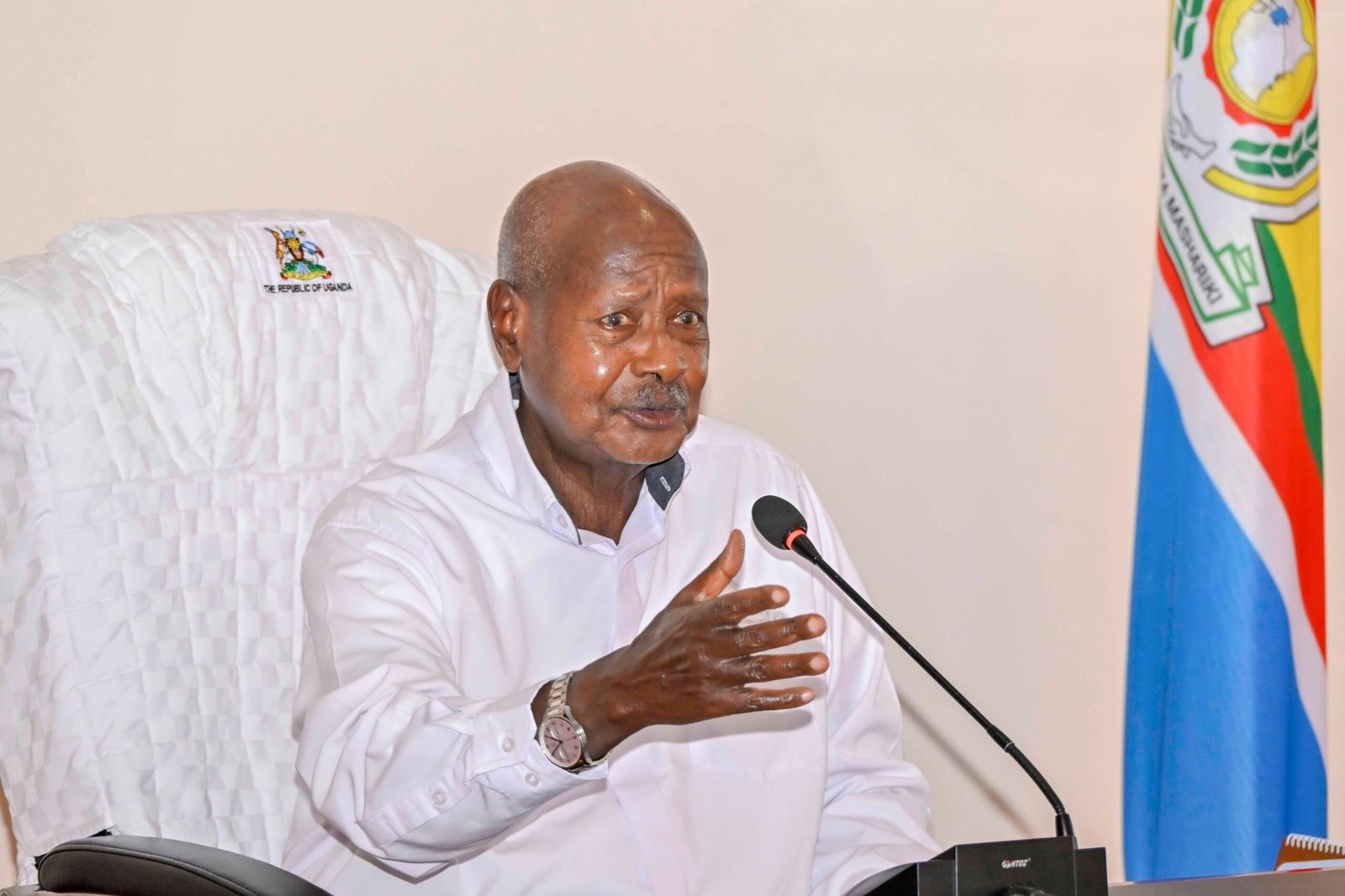
President Yoweri Kaguta Museveni has issued a detailed statement to Ugandans, particularly the Bazukulu (grandchildren/youth), responding to concerns raised by the Inter-Religious Council of Uganda. The Council highlighted issues of justice and human rights, trade order, and environmental protection while also recognizing the achievements of the National Resistance Movement (NRM) over the past 40 years.

Justice, Human Rights, and “Wakili, Twebakka Kutulo”
President Museveni said one of the NRM’s greatest achievements has been restoring peace and ensuring that Ugandans can live without fear, a principle captured in the phrase “Wakili, twebakka kutulo”—meaning that people can now sleep peacefully.
While acknowledging concerns about alleged disappearances and illegal detentions, he argued that recent security operations are limited, lawful measures intended to close security gaps and eliminate impunity rather than undermine human rights.
Drawing on more than seven decades of observing Uganda’s history and over six decades of active political participation, Museveni contrasted indigenous justice systems with colonial legal systems. According to him, traditional justice emphasized truth, accountability, and reconciliation instead of procedural technicalities that may allow offenders to escape responsibility.
As an example, he cited the 1982 Luwero Triangle case involving Zabuloni and others who reportedly killed civilians while intoxicated. Following investigations and review by the NRA High Command, they were publicly executed, a decision Museveni said strengthened public confidence in the liberation struggle.
He explained that traditional justice classified offenses into two categories:
- Minor offenses (ebichumuro): Punishable through fines or compensation (okuhoonga).
- Serious offenses such as murder: Resolved through blood settlement (kukaraba) or other traditional justice mechanisms.
The President argued that colonial legal practices, including easy access to bail and denial of guilt despite evidence, can encourage impunity. He cited past NRA and UPDF disciplinary actions, including the execution of Sgt. Kibonge for killing civilians, as examples of enforcing accountability within the armed forces.
Challenges After 1986
Museveni acknowledged that after the NRM took power in 1986, many experienced NRA commanders died from natural causes over time. He said this contributed to corruption and indiscipline within parts of the army and other government institutions.
Although Uganda has experienced economic growth and NRM membership reportedly reached 18 million by May 2025, he noted that corruption, human rights concerns, and weaknesses in crime prevention still exist among some political, bureaucratic, and judicial actors.
To address these challenges, he highlighted ongoing ideological training led by Gen. Muhoozi Kainerugaba and recent security operations aimed at reinforcing peace, discipline, patriotism, Pan-Africanism, socio-economic transformation, and democracy.
Museveni also cited efforts to expose corruption within State House and criticized some opposition leaders, including Dr. Kizza Besigye, alleging misuse of legal procedures to avoid trial. He defended restrictions on bail in sensitive security cases, arguing that witnesses may be intimidated if suspects are released prematurely.
Rejecting accusations that Uganda is regressing, the President maintained that the government’s actions are strengthening accountability while urging the public to allow ongoing investigations and court processes to proceed. He also revealed that he personally facilitated a traditional kukaraba reconciliation process in one case involving an unclear death linked to security personnel.
Trade Order and Street Hawking
Addressing trade order, Museveni criticized street hawking on sidewalks, saying it undermines the formal economy by avoiding taxes and rent obligations while also posing public health risks due to poor handling of goods.
He urged traders to operate from licensed shops, markets, and supermarkets where they can be regulated. He added that local governments should establish designated working spaces for former hawkers to support orderly urban development.
Wetlands and Environmental Protection
The President reaffirmed his government’s commitment to protecting wetlands and forests, emphasizing their importance in maintaining rainfall patterns and preserving the environment.
He pointed to continued degradation in regions such as Busoga, Bukedi, and Kigezi and blamed some of the destruction on historical colonial land practices and illegal encroachment.
Museveni pledged that government would continue restoring wetlands through compensation where necessary and by promoting alternative livelihoods such as fish farming. He also called for greater accountability from leaders responsible for protecting natural resources, including areas such as Mabira Forest.
Call for Citizen Participation
The President urged Ugandans to actively participate in the upcoming LC I and Women Council elections scheduled for July 2026, saying voters should elect leaders committed to fighting corruption and promoting accountability.
He also encouraged citizens to report corruption in health facilities, the Parish Development Model (PDM), and other government programs to relevant authorities or religious leaders.
Conclusion
President Museveni concluded that the NRM remains committed to protecting peace, strengthening justice, promoting economic transformation, and conserving the environment. He argued that recent security measures are intended to reinforce accountability and national stability while preserving the achievements made over the past four decades.
About The Author