
Uganda Artisanal Miners Association Moves to Strengthen Grassroots Structures in Eastern Uganda
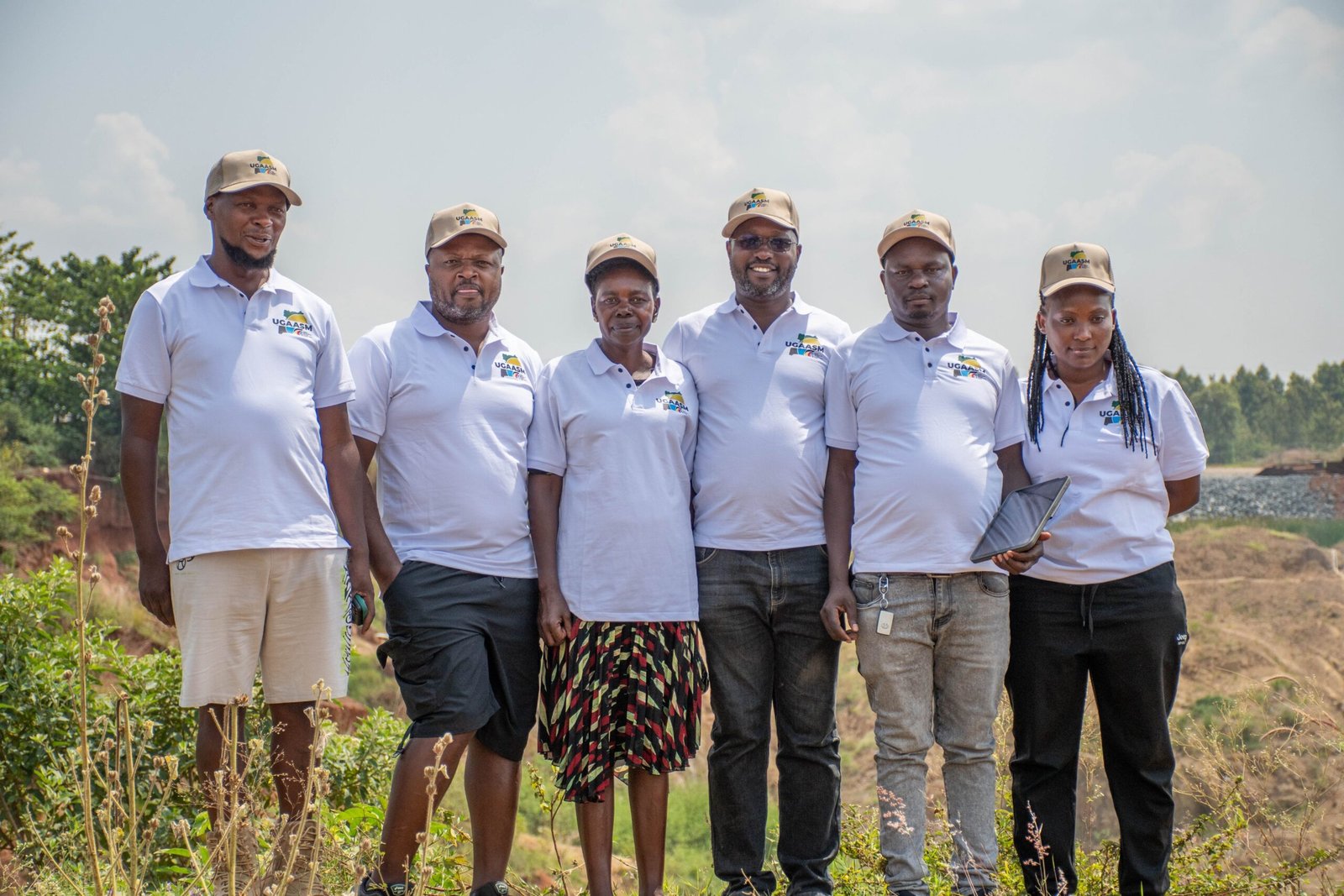
A strong mining sector starts with strong representation. With this principle at heart, the Uganda Association of Artisanal and Small-Scale Miners (UGAASM) recently conducted a high-impact field mission to the districts of Busia and Namayingo in Eastern Uganda. The exercise, led by the National Coordinator, Kibirige Emmanuel, aimed at revitalizing the Association’s governance frameworks, expanding its membership base, and reaffirming its role as the leading advocate for artisanal miners across the country.
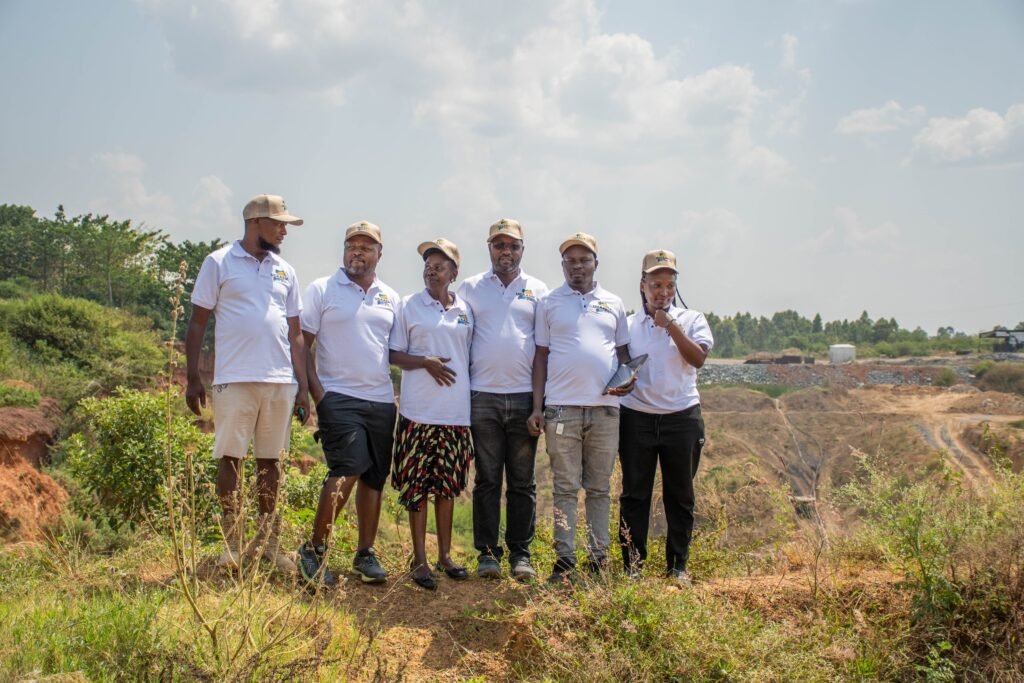
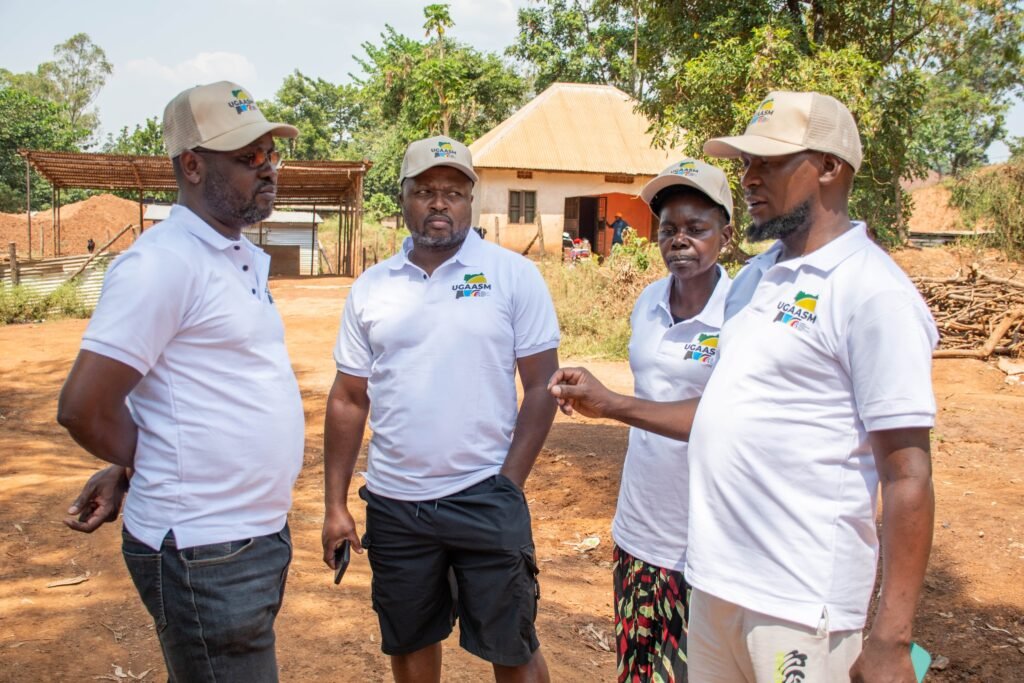
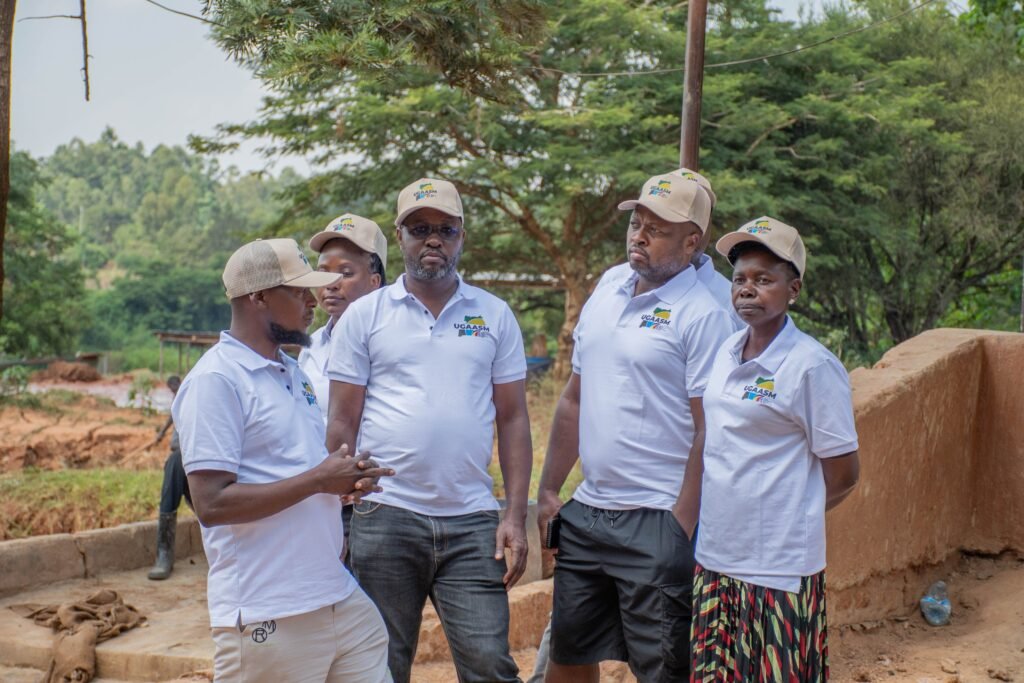
The delegation included Josephine Agutu, the UGAASM Coordinator for Eastern Uganda, and Senior Counsel Geoffrey Ojok, a founding member and the Association’s Legal Advisor. Together, they visited several mining sites, holding direct, face-to-face engagements with artisanal and small-scale miners and local mining associations. The meetings were conducted through transparent and participatory processes, ensuring that miners at the grassroots level were active contributors rather than passive recipients of the dialogue.
Rebuilding Identity and Operational Capacity
Central to the mission was the need to re-establish clear operational structures and rebuild the Association’s institutional identity. UGAASM recognizes that effective advocacy requires not only a unified voice but also visible and credible leadership at all levels. By engaging miners in their own working environments, the team sought to enhance UGAASM’s public presence and ensure that its governance reflects the realities and aspirations of its members.
Throughout the discussions, miners voiced urgent concerns regarding licensing bottlenecks, the complexities of formalization, and the daily challenges of regulatory compliance. Many called on UGAASM to continue amplifying their concerns before government bodies and to push for policies that create an enabling environment—one where artisanal operators can work legally, safely, and sustainably without being marginalized.
Formalization as a Pathway to Protection and Opportunity
While addressing miners in Namayingo District, Kibirige Emmanuel reiterated UGAASM’s unwavering dedication to guiding mining communities through the formalization maze. He stressed the importance of meeting environmental compliance standards set by the National Environment Management Authority (NEMA), emphasizing that formalization is not a bureaucratic hurdle but a gateway to unlocking opportunities, protecting miners’ rights, and promoting responsible extraction practices.
“A vibrant and well-organized artisanal and small-scale mining sector requires a strong, credible, and effective representative institution,” Emmanuel said. “UGAASM remains committed to revitalizing its structures, expanding its membership, and strengthening its capacity to effectively serve mining communities across the country.”
A Call for Collaborative Partnership
However, Emmanuel was quick to point out that this vision cannot be achieved by UGAASM alone. The Association extended a hand to government institutions, development partners, civil society organizations, the private sector, and all stakeholders in Uganda’s mining value chain. The message was clear: partnership is indispensable.
By investing in stronger local institutions, promoting formalization, and supporting responsible mining, Uganda can build a more inclusive, productive, and sustainable mining sector—one that contributes meaningfully to national socio-economic development while safeguarding the livelihoods of those who work tirelessly at the grassroots level.
As UGAASM continues to rebuild from the ground up, the recent mission to Busia and Namayingo marks a significant step forward. It signals not only a renewed commitment to miners’ welfare but also a strategic vision for a mining sector where every artisanal miner has a seat at the table, a voice in policy, and a stake in the nation’s prosperity.
About The Author