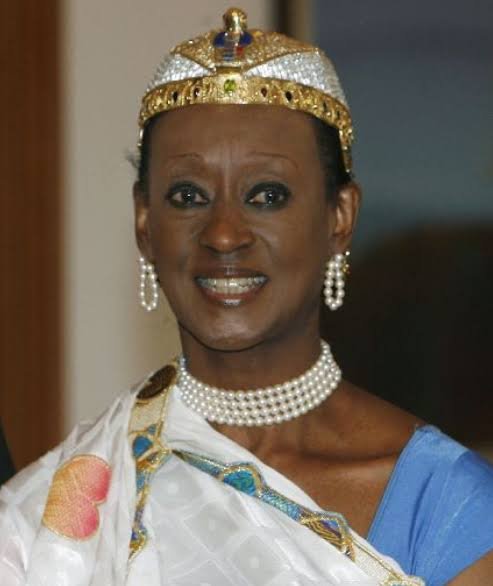


THE HAGUE – Judge Julia Sebutinde, the Vice-President of the International Court of Justice (ICJ), is facing calls for her removal from a high-profile case after a human rights group accused her of demonstrating a clear bias in favor of Israel, jeopardizing the perceived impartiality of the United Nations’ highest court.
The controversy stems from remarks Judge Sebutinde, a distinguished jurist from Uganda and the first African woman to serve on the ICJ, made during a speech at a church in Uganda on August 10. According to reports, she openly declared her religious support for Israel, stating, “The Lord relies on me to stand with Israel… signs of the end times are appearing in the Middle East, and I want to be on the right side of history.”
These comments have sparked immediate backlash from advocacy groups who argue they compromise her ability to adjudicate fairly on matters involving Israel. The Arab Organisation for Human Rights in the UK (AOHR UK) has taken formal action, petitioning the ICJ to address the issue.
In its petition, AOHR UK cites Articles 2 and 18 of the Court’s Statute, which mandate that judges must be independent and impartial, possessing the highest moral character and integrity. The group contends that Sebutinde’s public declaration of allegiance to one party in a conflict that frequently comes before the court constitutes a serious breach of these fundamental judicial principles.
The call for action places the ICJ in a delicate position. Judge Sebutinde is currently serving on the panel hearing a landmark case brought by South Africa accusing Israel of committing genocide in Gaza. While the court’s initial rulings have called for provisional measures against Israel, Sebutinde was the lone judge on the 17-member panel to vote against all six measures in January, a position she detailed in a dissenting opinion.
At the time, her dissent was framed in strict legal terms, arguing that the court lacked prima facie jurisdiction and that the dispute was not essentially about the Genocide Convention. However, her recent religious remarks have led critics to question the underlying motivations for her judicial reasoning.
The ICJ has not yet issued a public statement regarding the petition. Legal experts are divided on the potential outcome, noting that the mechanisms for removing a sitting judge are exceptionally rare and require a unanimous vote from the other members of the court.
The situation presents a significant test for the ICJ’s reputation for neutrality. As pressure mounts from international observers and human rights organizations, the world is watching to see how the court will handle an internal challenge to its core value of impartial justice.
About The Author