
Uganda Security Forces Warn Opposition Leader Bobi Wine Against “Dangerous” Election Rhetoric
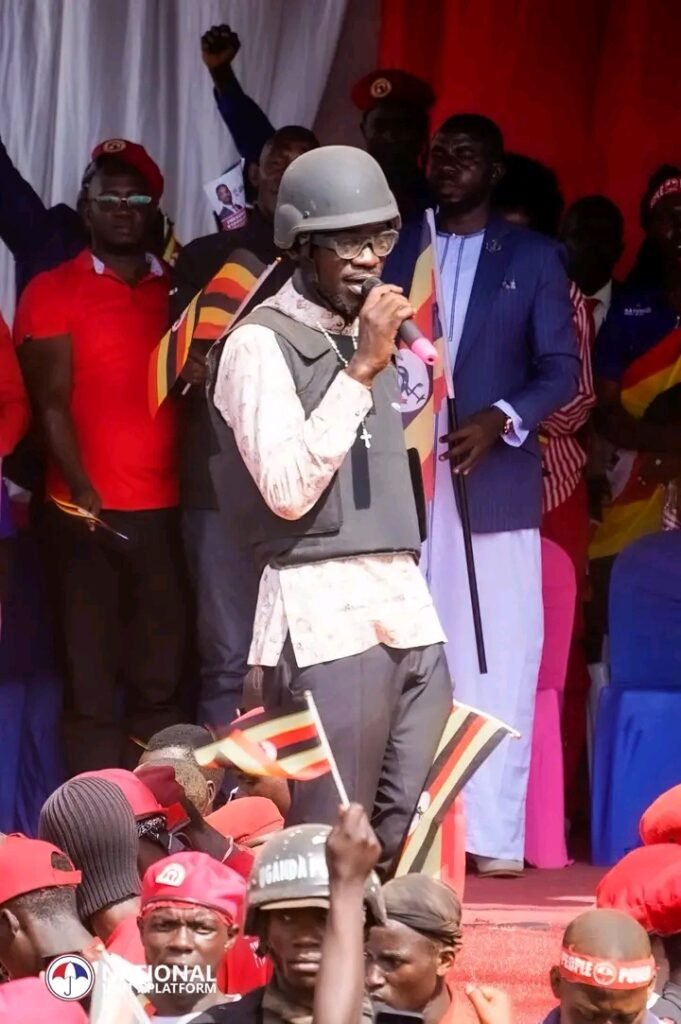
Uganda’s military has issued a stern public warning to National Unity Platform (NUP) presidential candidate Robert Kyagulanyi, popularly known as Bobi Wine, condemning his campaign rhetoric as “toxic” and “dangerous.” This sharp rebuke from the security establishment raises tensions as the country prepares for a high-stakes general election in January 2026.
Security Warning: “No Threat We Cannot Deal With”
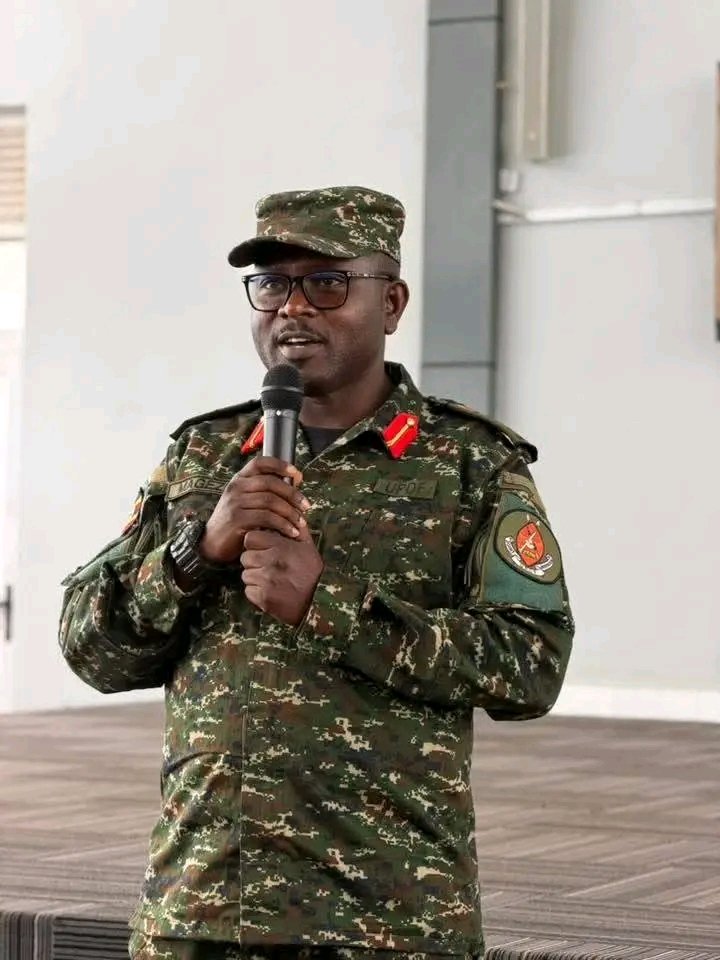
In a strongly-worded statement, Colonel Chris Magezi, the Acting Director of Defence Public Information, expressed deep concern over the opposition leader’s repeated calls for supporters to gather en masse at polling stations and march to the capital, Kampala.
Colonel Magezi described this language as “ill-advised, toxic, shallow in logic, and dangerous.” He warned that mobilizing crowds to confront security personnel is unlawful and risks plunging the country into violence. “In the worst-case scenario, those who incite violence and promote anarchy by misleading young Ugandans… will not escape the consequences,” Magezi stated, framing such actions as a “zero-sum game with no winners”.
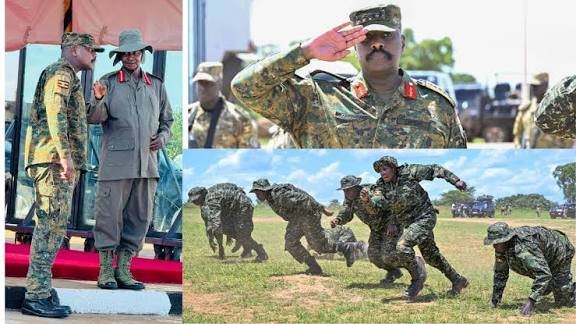
The statement strongly reaffirmed the military’s readiness. Magezi declared the Uganda People’s Defence Forces (UPDF) “highly capable, organized, proficient and lethal,” adding, “There is no threat we cannot deal with.” He pointed to the UPDF’s campaigns against regional militant groups like al-Shabaab and the Lord’s Resistance Army (LRA) as evidence of its capability.
Context of Opposition Crackdown and Public Distrust
This security warning comes amidst a documented crackdown on opposition figures and supporters. In a recent statement, UN Human Rights Chief Volker Türk deplored the “intensifying crackdown” ahead of the election.
Reported Incidents Since September 2025:
· Arrests: Over 300 members and supporters of the NUP have been arrested since campaigning began.
· Use of Force: Security forces have used live ammunition, tear gas, whips, and water cannon to disperse NUP rallies, resulting in deaths and injuries.
· Alleged Abuses: Reports include arbitrary detentions, enforced disappearances into unofficial “safe houses,” and torture. A notable case involved the bodyguard of the NUP leader, who was later presented in court showing visible signs of physical abuse.
Public opinion data reveals a climate of fear and mixed perceptions of the security forces:
· Fear of Violence: 60% of Ugandans fear political intimidation and violence during campaigns “somewhat” or “a lot”.
· Trust in Institutions: While 73% trust the military and 59% trust the police, this confidence declines sharply among more educated citizens and opposition supporters.
· Reports of Abuse: Significant minorities report that security forces “often” or “always” use brutal force (30%) and make arbitrary arrests (25%).
· Call for Accountability: An overwhelming 86% of citizens believe election officials and security agents should be held personally accountable for any wrongdoing.
A Region Shaped by Militarization and Rebellion
The military’s statement invoked Uganda’s long history with armed rebellion, specifically warning against reviving the spirit of past insurgencies like Alice Lakwena’s Holy Spirit Movement. This is a pointed reference, as Lakwena’s movement eventually evolved into the Lord’s Resistance Army (LRA), a conflict with deep scars.
The Legacy of the LRA Conflict:
· Duration & Impact: The LRA insurgency, led by Joseph Kony, began in 1987 and caused a severe humanitarian crisis in northern Uganda before spilling into neighboring countries.
· Human Cost: The conflict resulted in over 100,000 deaths, the abduction of 60,000-100,000 children, and the displacement of up to 2.5 million people across central Africa.
· Government Response: The government’s military campaigns and policy of forcing civilians into internally displaced persons (IDP) camps were controversial, with critics arguing the camps caused immense suffering and that the prolonged conflict served political purposes.
Electoral Climate and Mounting Pressure
The political environment ahead of the 2026 vote is highly charged. Analysts describe Uganda as increasingly resembling an “electoral dictatorship,” with the state using institutional power, harassment, and patronage to suppress dissent.
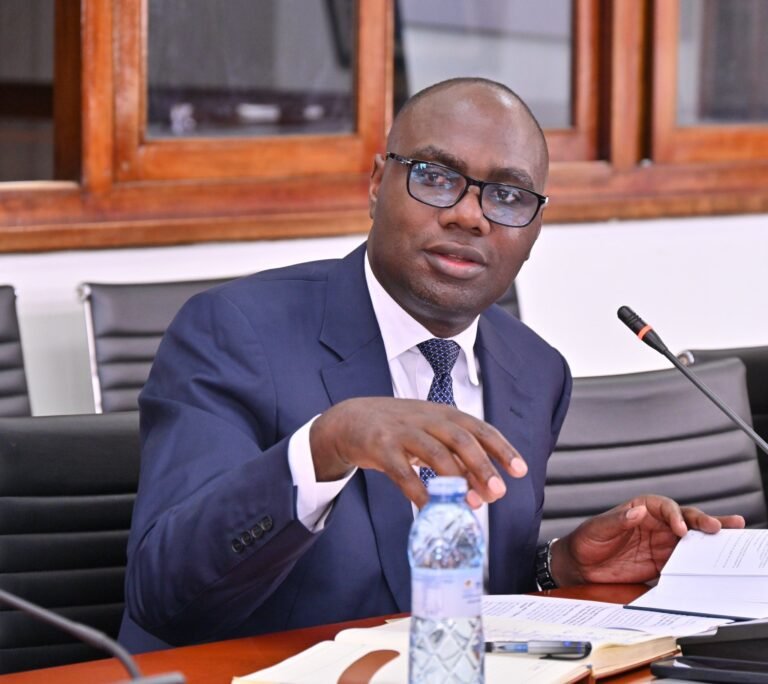
Opposition agents have raised alarms directly with the Electoral Commission. David Lewis Lubongoya, an agent for Bobi Wine, described the campaign environment as “almost like a war zone” and criticized the “selective application of the law”. He and others have urged the Commission to take full control to ensure a peaceful process.
Electoral Commission Chair Justice Simon Byabakama has called for calm, urging all candidates “to exercise restraint and avoid rhetoric that could inflame tensions”.
A Nation on Edge
The public confrontation between Uganda’s powerful military and the main opposition candidate signals a volatile campaign season. While security forces assert their constitutional role to prevent violence and anarchy, opposition leaders and international observers point to a pattern of repression that undermines democratic competition.
With the memory of past conflicts invoked and current tensions running high, the path to Uganda’s 2026 election remains fraught with uncertainty, reflecting a deep national struggle over power, security, and political expression.
About The Author