
M23 Rebels Consolidate Control in Eastern Congo, Defying Regional Diplomacy
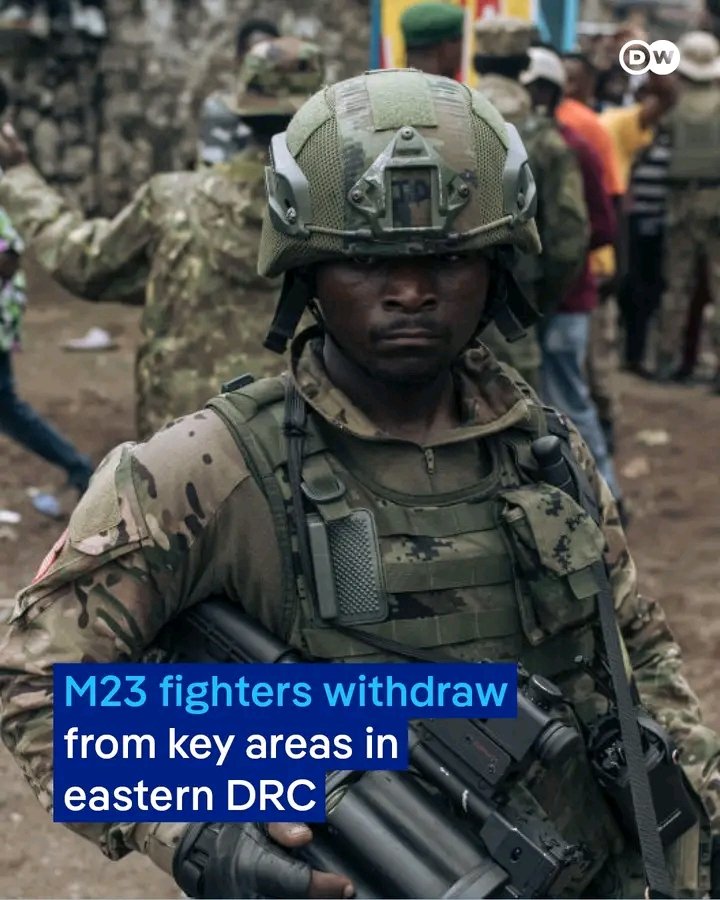
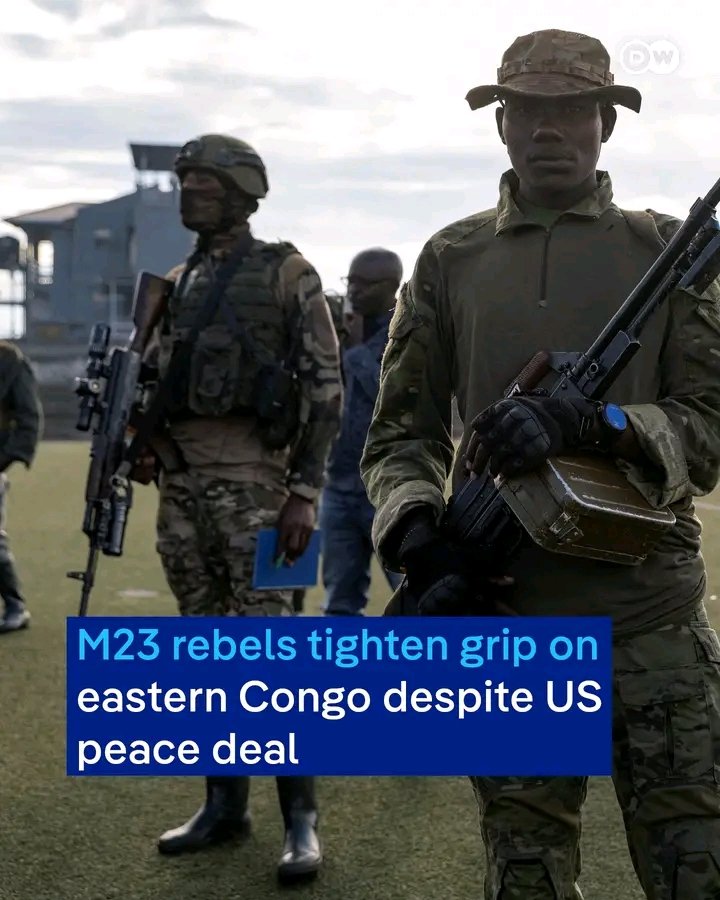
Eastern Democratic Republic of Congo, [Current Date] – The M23 rebel group has significantly strengthened its administrative and military grip on vast territories in eastern Congo, effectively creating a parallel state structure, according to a Reuters report. Despite a recent U.S.-brokered deal between the Congolese government and Rwanda, the group remains outside the pact and continues to engage in fighting.
The rebels, which the United Nations says receive backing from Rwanda, have moved beyond military dominance to enacting full-scale civilian governance. They have replaced traditional chiefs, appointed hundreds of their own civilian officials, and are training thousands of new recruits, signaling a long-term strategy to entrench their rule.
A New Administration Takes Root
In areas under its control, M23 has dismantled existing local power structures. Traditional leaders loyal to the Kinshasa government have been deposed, with M23-appointed officials now overseeing day-to-day administration. This systematic replacement extends to hundreds of roles across sectors, aiming to normalize the group’s authority among the local population.
Economically, M23 has secured key revenue streams. The group oversees official border crossings and imposes taxes on the mineral-rich areas under its sway, most notably the lucrative Rubaya mine, a major global source of coltan. This financial consolidation provides the resources to sustain its military and governance projects.
Mixed Reality for Residents
In major cities like Goma and Bukavu, residents report a paradoxical improvement in nighttime security under M23 patrols, with a reduction in crime attributed to other armed groups. However, this relative safety exists within a climate of pervasive fear and severe economic disruption. Many civilians face extortion, movement restrictions, and the constant threat of violence amid ongoing clashes.
Diplomacy Stalls as Fighting Continues
The consolidation comes despite diplomatic efforts to defuse the crisis. A recent agreement brokered by the United States between the DRC and Rwanda aimed to de-escalate tensions and address security concerns. Crucially, however, the M23 itself is not a party to the agreement, and skirmishes between the rebels and Congolese armed forces, supported by various allied militias, continue unabated.
Analysts suggest M23’s latest moves are designed to solidify facts on the ground, strengthening its bargaining position for any future negotiations and demonstrating its resilience in the face of international pressure. The Congolese government has repeatedly denounced the rebellion as an Rwandan invasion and insists on the group’s unconditional withdrawal from occupied territories.
The situation leaves millions of civilians caught between the ongoing conflict and the emerging, unauthorized governance of a group that remains a central—yet excluded—actor in the region’s unresolved war.
Source: Reporting based on information from Reuters.
About The Author