

Escalating Violence in Eastern DRC Claims Lives, Fuels Regional Tensions
A series of deadly clashes over the weekend has intensified the decades-long crisis in the eastern Democratic Republic of Congo, with attacks attributed to the national army and renewed fighting involving Rwanda-backed rebels claiming multiple lives and displacing scores.
According to a local source speaking on Friday, a strike blamed on the Armed Forces of the Democratic Republic of Congo (FARDC) hit territory controlled by the M23 rebel group in the Masisi area of North Kivu province. The attack killed at least six people and wounded 41 others.
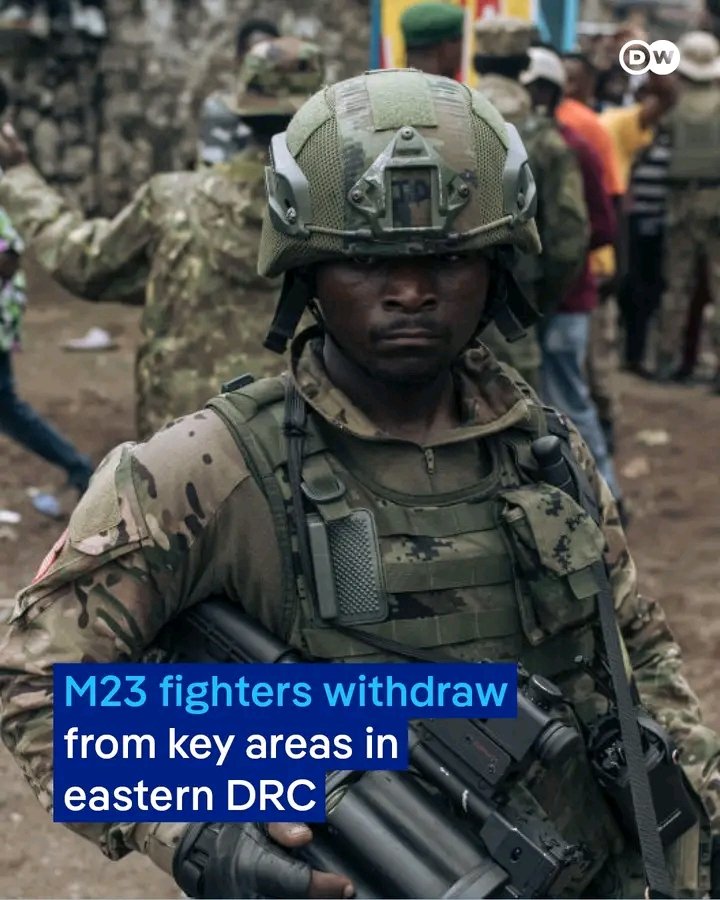
The location is significant, as Masisi is considered a key breadbasket for the provincial capital, Goma. That city fell to the M23—a group widely backed by neighboring Rwanda according to UN experts—at the beginning of 2025, exacerbating a severe humanitarian crisis in the region.
The violence expanded on Saturday, with local sources reporting “violent fighting” between the M23 and pro-Kinshasa forces, including the FARDC and allied armed groups, in several towns around the strategic eastern city of Uvira, in South Kivu province. Uvira, situated on the northern tip of Lake Tanganyika, is a critical trade and transport hub. Details on casualties from these clashes are not yet confirmed.
These latest incidents underscore the rapidly deteriorating security situation and the expanding geographic scope of the conflict. The resource-rich east of the DRC, which borders Rwanda, Uganda, and Burundi, has been plagued by over 30 years of violence stemming from regional wars, ethnic tensions, and the struggle over vast mineral wealth.
The repeated incursions by the M23, which Kinshasa and Western powers accuse Kigali of directing and equipping, have brought the DRC and Rwanda to the brink of open war in recent years. Despite regional diplomatic efforts and a deployment of a Southern African regional force, a sustainable peace remains elusive.
As casualty numbers rise and more communities are caught in the crossfire, the central, unanswered question, echoed by civilians and aid groups alike, grows more urgent: Who will stop the violence in eastern DRC? The latest attacks suggest that without a decisive political solution and an end to foreign support for armed groups, the cycle of bloodshed is set to continue.
About The Author