
U.S. Halts Aid to Somalia Amid Allegations of Diverted Food Assistance
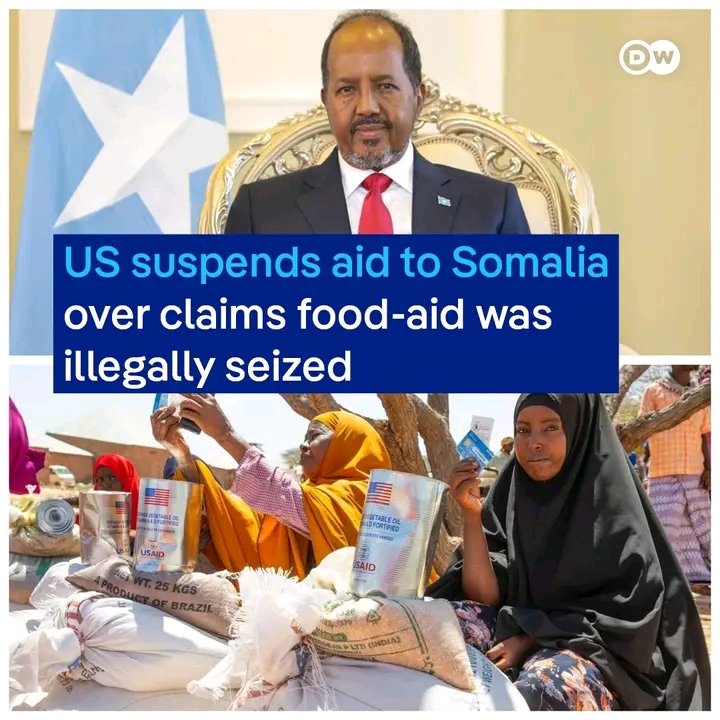
WASHINGTON/MOGADISHU — The United States has suspended all humanitarian aid to the Somali federal government following allegations that Somali officials damaged a U.S.-funded World Food Programme (WFP) warehouse and diverted food assistance intended for vulnerable citizens.
The U.S. State Department announced the immediate freeze, stating that the restoration of aid is contingent upon the Somali government taking “accountability” and implementing “appropriate remedial steps.” The aid in question is part of a broader U.S. effort to combat famine and severe food insecurity in the Horn of Africa nation.
The allegations center on an incident where officials allegedly forced entry into a WFP storage facility. The U.S. contends this was an effort to unlawfully redirect food supplies meant for populations suffering from drought and conflict.
Somalia has categorically denied any wrongdoing. In a statement, Somali officials insisted that all humanitarian aid within its borders remains under the exclusive control and distribution channels of the WFP. This position found support from a WFP staff member on the ground, who, speaking on condition of anonymity, told reporters that the food at the center of the dispute “was not stolen.”
The decision marks a sharp pivot in U.S.-Somalia relations and reflects the broader foreign policy shift under the administration of President Donald Trump. The move aligns with a tightening of restrictions on Somali migrants to the U.S. and stands in contrast to the policy of the previous Joe Biden administration, which authorized approximately $770 million in aid to Somalia during its tenure.
The suspension presents a complex dilemma for humanitarian operations. The United States remains the single largest donor to the WFP globally, contributing a record $2 billion in 2025, even as the Trump administration has withdrawn funding from several other United Nations agencies.
Aid groups express deep concern over the potential consequences of the freeze. “While accountability is paramount, any prolonged interruption of aid flow risks catastrophic outcomes for millions of Somalis who rely on this assistance for survival,” said one Nairobi-based relief coordinator.
Observers note that the Somali government now faces intense pressure to resolve the dispute swiftly to prevent a deepening of the humanitarian crisis, while simultaneously navigating the demands of its largest donor.
About The Author