
A Calculated Sequence: The Shifting Mood in the Tooro Royal Family
The unfolding situation within the Tooro Royal Family has begun to draw significant attention, with observers noting a palpable shift in mood. While this may appear sudden to some, a closer examination of recent events reveals a deliberate and clear progression of moves surrounding the kingdom’s succession.
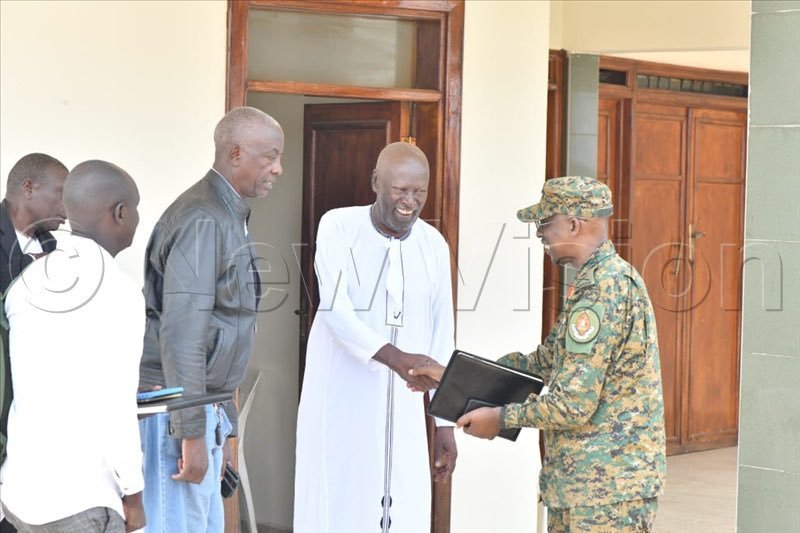
The sequence of events began when journalist Andrew Mwenda first floated the idea that some form of “election of a King” may have quietly taken place. Shortly thereafter, Brig. Gen. Oscar Munanura, the Deputy Chief of Defence Intelligence and Security, made a pointed visit to hold a meeting with Omusuuga, a notable move given his official position.
The tension escalated when the Musuuga publicly thanked the President in an emotional display, and more recently, a video has surfaced showing him distancing himself from the current Prime Minister. In the video, he states that he cannot fire a Prime Minister he did not appoint, signaling a clear break from established protocol.
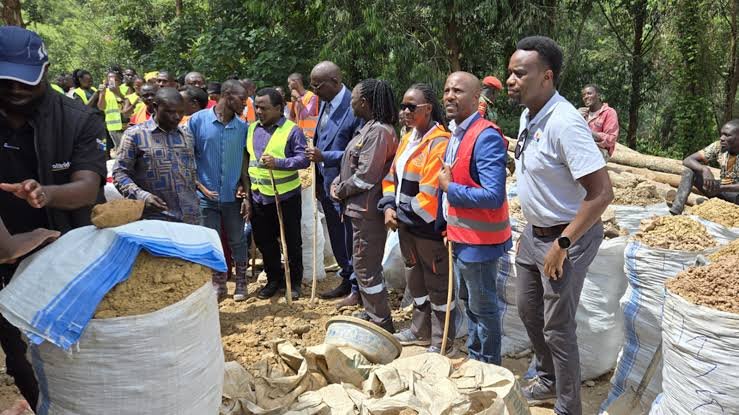
Now, Gen. Tumukunde has arrived in Tooro. His presence is significant—not merely in his capacity as the Minister of Gender, Labour and Social Development, but reportedly at the direct instruction of the President. Sources indicate that he is unlikely to leave until the President’s preferred choice of King is surfaced and legitimized through the “cultural norms” of the Kingdom.
The Succession Question and Cultural Nuance
Central to the succession question is the matter of legitimacy. The late King Oyo, who passed away at the age of 34, had not officially married but is reported to have fathered a child. While it is unclear if the same customs apply to the Babiito Royal Clan, in other clans, the man’s family would have to “kumusarayo”—a cultural process to formally take custody of the infant, thereby legitimizing the child in Tooro culture.
If the late King Oyo left behind a son whose mother is a Mutooro, that child—whether a few months old or three years old—is the rightful heir to the throne. The cultural mechanisms exist to affirm this legitimacy, but observers note that these norms may be shaped to fit the outcome desired by the President.
A Deliberate Sequence
Taken together, these events are not random. They form a calculated chain, with each step tightening the circle around the succession question. The prevailing view is that the next King of Tooro will ultimately be determined by the President, and the recent developments are part of a strategy to bring that outcome to fruition.
About The Author