
Headline: Divisive Allegations of a “False Genocide Narrative” Challenge Rwanda’s Official History
Subtitle: Claims of Historical Manipulation and Ongoing Atrocities Spark Fears of Renewed Conflict
A detailed set of allegations circulating online presents a radical revision of the events surrounding the 1994 Rwandan genocide. This narrative claims that the internationally accepted history is a fabrication used by President Paul Kagame’s Rwandan Patriotic Front (RPF) to conceal its own crimes and maintain power. While these claims contradict the established historical record, they point to documented human rights abuses and suppressed investigations that continue to fuel deep-seated divisions and regional instability.
🔍 The Established Historical Record
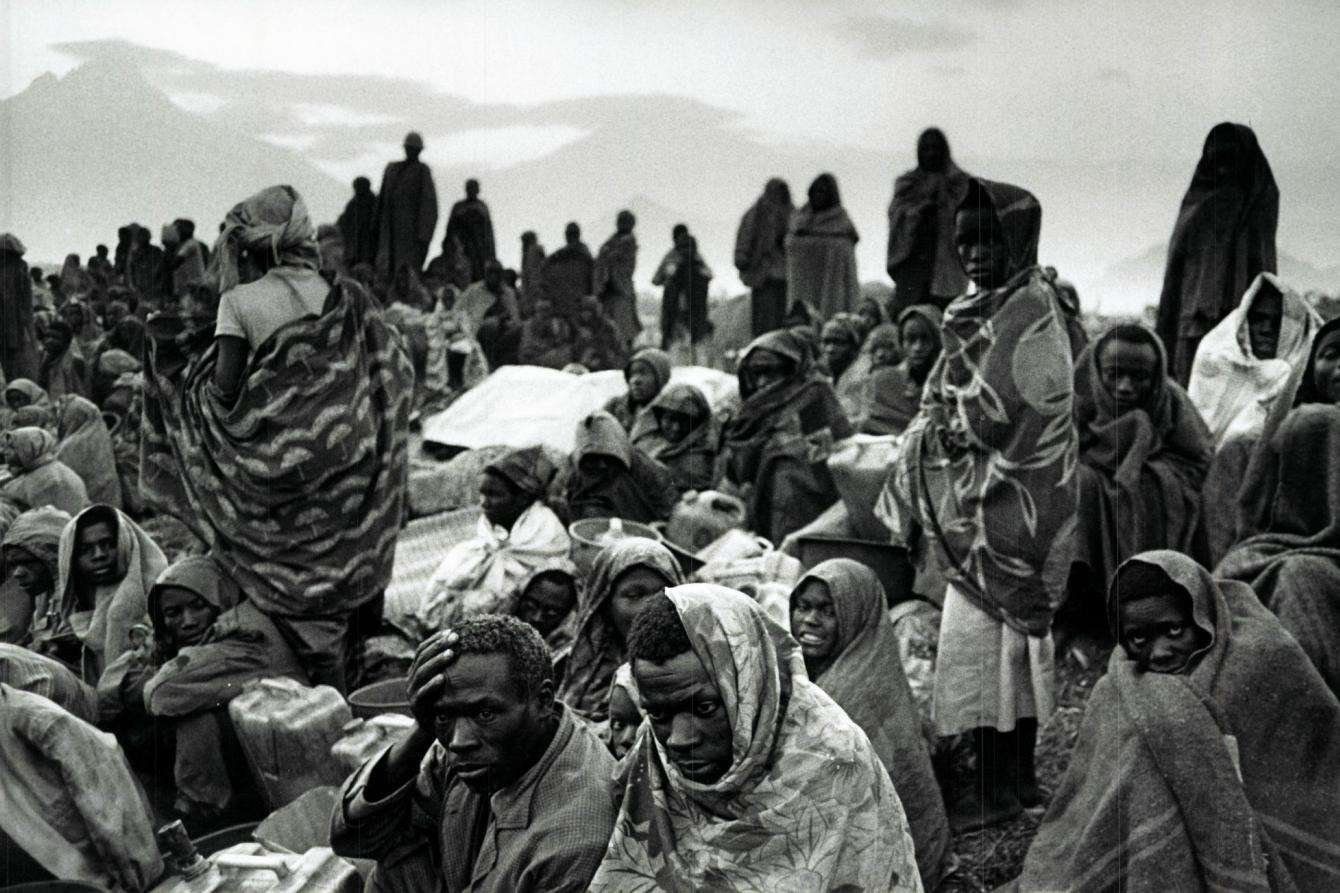
The international consensus, upheld by the United Nations and historical scholarship, defines the 1994 atrocities as the “Genocide against the Tutsi”. In this account, Hutu extremists launched a systematic campaign that killed an estimated 800,000 people, primarily Tutsi but also moderate Hutu. The RPF, led by Paul Kagame, is recognized for militarily ending the genocide after a 100-day campaign. However, this standard narrative also acknowledges that RPF fighters were alleged to have killed thousands of Hutu civilians in retaliation during and after their takeover—allegations the RPF denies.
⚖️ Allegations of RPF Atrocities and a “False Narrative”
The counter-narrative makes explosive claims, several of which find echoes in leaked UN documents and human rights reports. A central allegation is that the RPF itself orchestrated key events, including the shooting down of President Habyarimana’s plane, to trigger the chaos that followed.
According to suppressed UN testimonies published by the Black Agenda Report, RPF soldiers engaged in mass killings of Hutu civilians. One witness, a former medical student with the RPF, described thousands of Hutus being executed at an orphanage in Kigali and at a military camp in Gabiro. The reports also allege the RPF conducted “false flag” operations, with commandos dressing as Hutu militias to kill Tutsi civilians and further demonize the Hutu regime.
🗣️ Manipulation of Testimony and Justice
The allegations extend to the post-genocide period, claiming the RPF regime manipulated the justice system to entrench its narrative and punish dissent.
· Coerced Testimony: It is alleged that Tutsi survivors were forced to give false witness against Hutu, while Hutu were pressured to accept genocide charges. While hard to verify broadly, patterns of coercion exist. The case of gospel singer Kizito Mihigo, a Tutsi genocide survivor, illustrates the punishment for challenging the official story. Mihigo was imprisoned and later died in custody after releasing a song expressing compassion for all victims, including Hutu killed by the RPF. Human Rights Watch reported he was beaten, detained illegally, and pressured to give false testimony against dissidents.
· Targeted Repression: Critics like Mihigo who advocated for Hutu-Tutsi unity are presented as evidence that the regime silences any threat to its divisive ethnic politics. Human Rights Watch has extensively documented the Rwandan government’s extraterritorial repression campaign, which includes killings, kidnappings, and intimidation of critics abroad to quash dissent.
🌍 The FDLR Narrative as a Strategic Tool
A key part of the allegation is that the regime uses the threat of the Democratic Forces for the Liberation of Rwanda (FDLR)—a group founded by remnants of the genocidal forces—as a perpetual justification for control and military intervention.
Critics argue this “FDLR threat” is a pretext. A Black Agenda Report interview with a Rwandan human rights activist states that Kagame’s claim of protecting Congolese Tutsi from the FDLR is a cover for resource exploitation in the Democratic Republic of the Congo (DRC) and that the FDLR has been militarily defeated and even co-opted. In December 2025, the FDLR itself issued a statement warning that Rwanda was planning false-flag attacks to blame on the group, to justify its continued military presence in the DRC.
🔥 The Looming Consequences
The allegations conclude with a dire warning: a state built on a “false narrative” and sustained by fear is inherently unstable. The claim that over a million people are now “criminals” within this system suggests a powder keg scenario. If the system collapses, the potential for violent retaliation and internal conflict is high, with prophesied catastrophic loss of life. This instability, the narrative suggests, is the price paid for the geopolitical and economic interests that support the status quo.
Conclusion: A History Still Contested
The allegations presented are a direct challenge to the foundation of modern Rwanda’s national identity.While they contest the core facts of the 1994 genocide—a position rejected by mainstream scholarship and international law—they are built around a kernel of documented human rights abuses, suppressed investigations, and credible reports of ongoing repression. This divergence between official history and alternative narratives remains a potent source of division, threatening not only Rwanda’s future but the stability of the entire Great Lakes region.
About The Author