
MPs Demand Improved Staffing and Health Service Delivery Under UgIFT Programme
Legislators have called on the government to address critical staffing shortages at health centres across Uganda, emphasizing that adequate human resources are essential for improving healthcare delivery, particularly in remote and underserved areas.
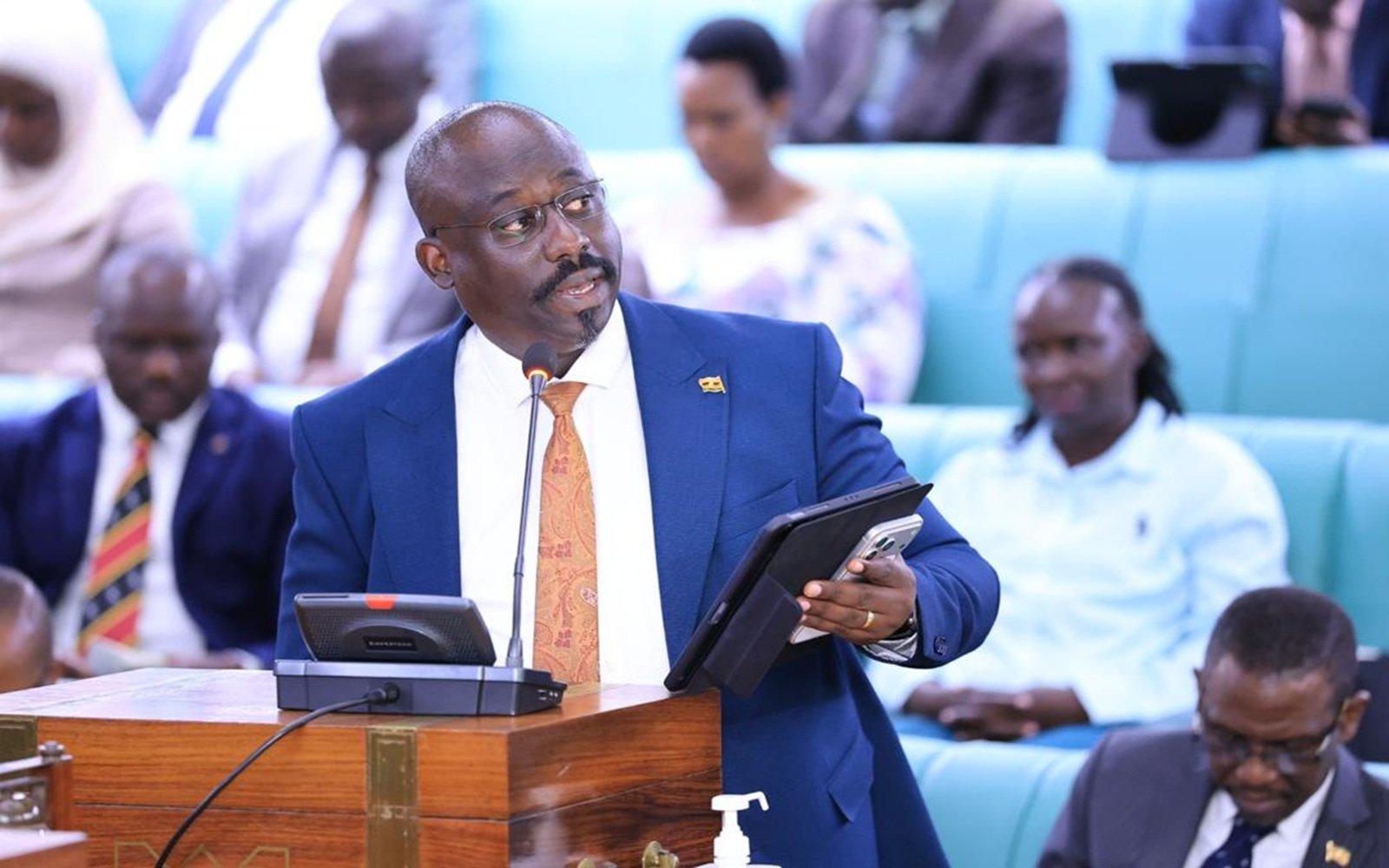
The concerns were raised during a parliamentary session on Wednesday, 2nd September 2026, following a statement by Health Minister, Hon. Chris Baryomunsi, on the status and impact of the Uganda Intergovernmental Fiscal Transfers (UgIFT) health infrastructure programme and the proposed framework for its second phase, UgIFT 2.
Significant Progress Under UgIFT
Presenting the statement before a sitting chaired by Speaker Jacob Marksons Oboth, Minister Baryomunsi outlined substantial achievements under the programme:
· 373 Health Centre IIIs have been established through upgrading existing Health Centre IIs and constructing new facilities in sub-counties that previously had no health facility at all.
· The proportion of sub-counties with access to a Health Centre III has increased from 61 to 78 per cent.
· The World Bank has provided Shs453 billion for upgrade, construction and equipping of health facilities, while the government has contributed Shs270 billion for maintenance and repair of buildings and equipment.
· 4,628 health workers have been recruited under the programme period.
Proposed Enhancements Under UgIFT 2
The minister revealed ambitious plans for the next phase, including:
· Increasing staffing at Health Centre IVs from the current 49 to 130 health workers, including five medical doctors.
· Upgrading all Health Centre IVs to community hospitals.
· Expanding, rehabilitating, re-equipping and providing staff accommodation at 100 dilapidated Health Centre IIIs countrywide.
· Establishing 50 new Health Centre IIIs and 50 new Health Centre IVs in heavily populated, hard-to-reach sub-counties.
· Strengthening human resources for health, ensuring availability of essential medicines and supplies, and making infrastructure sustainable.
MPs Raise Critical Concerns
Despite the progress, legislators voiced serious concerns about implementation challenges:
Staffing Shortages
Hon. Anna Adeke, Soroti District Woman MP, proposed an audit by the Office of the Auditor General to ascertain the exact number of non-functional facilities under UgIFT and what needs to be done. She specifically called for UgIFT-specific human resource considerations to revise the wage bill cap for local governments.
“It is a contradiction to build state-of-the-art facilities while maintaining a restrictive recruitment cap on local governments. Many health centres that have been upgraded are currently managed by overstretched nursing assistants or single midwives doing 48-hour shifts,” Adeke observed.
Hon. Kenny Auma, Kwania District Woman Representative, noted that some Health Centre IIs upgraded to Health Centre IIIs remain non-operational due to the absence of key health officers.
“Most of these health facilities have few nurses and there are no clinical officers. Government needs to recruit more nurses, midwives and clinical officers to work on the patients at those health centres,” Auma said.
Entebbe Referral Hospital Challenges
Hon. Steven Shyaka, Entebbe Municipality MP, highlighted that Entebbe Referral Hospital has only 260 staff out of the needed 1,195, with inadequate drug supplies. He also noted the absence of office space for doctors, which affects doctor-patient confidentiality.
“Entebbe is an international gateway for our country but when you look at the health facilities, there are few nurses to work on patients,” he said.
Support for Faith-Based Facilities
Hon. Joseph Ssewungu (NUP, Kalungu County West) urged the ministry to support missionary and religious-founded health facilities with the deployment of doctors, nurses and medical supplies, noting that they bolster existing government health facilities.
Infrastructure Challenges
Hon. Peter Okot (DP, Tochi County) raised concerns over poor electricity access in many sub-counties where UgIFT health facilities have been established and urged government to address this challenge in the proposed UgIFT 2 programme.
Government Commitment
Minister Baryomunsi committed to engaging legislators during visits to their respective constituencies to ensure a comprehensive assessment of health facilities across the country.
The session highlighted the critical gap between infrastructure development and operational capacity, with MPs urging a more integrated approach that ensures new and upgraded facilities are adequately staffed and equipped to deliver quality healthcare services to Ugandans.
Source: Parliament of Uganda
About The Author