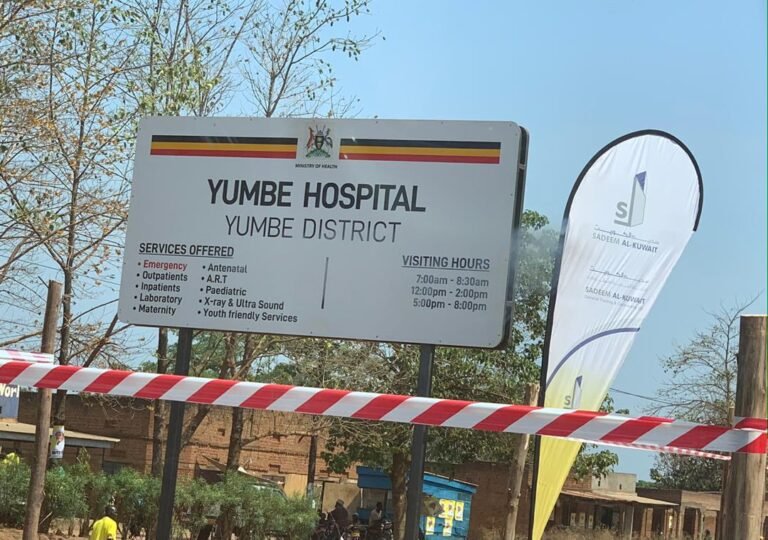

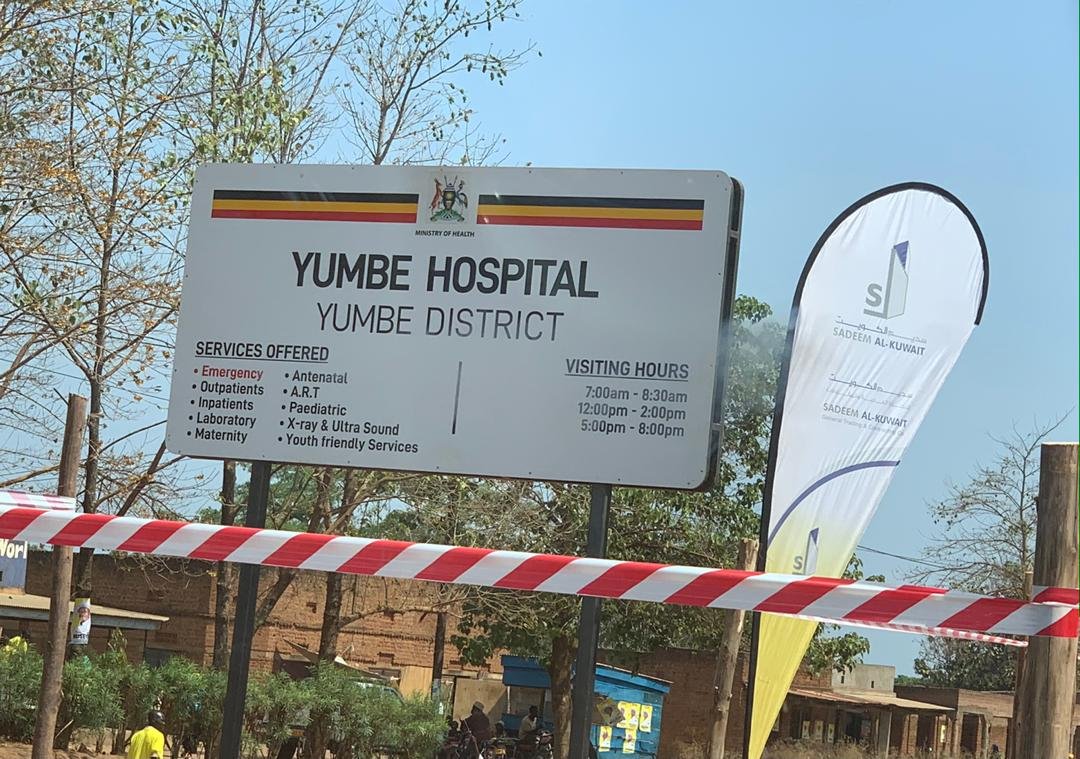
Yumbe Regional Referral Hospital Faces Critical Staffing Crisis Despite Upgrade
Parliament Committee Hears of Severe Workforce Shortages, Missing Specialized Services
By David Basekke
Yumbe Regional Referral Hospital is operating with only 19 percent of its required workforce, three years after being upgraded to regional referral status, Parliament’s Public Accounts Committee (PAC) Central heard this week.
The hospital has 1,011 vacant positions against an approved establishment of 1,246, with only 235 employees currently on staff. While this represents an improvement from 11 percent staffing at the time of its 2021 upgrade, the pace of institutional strengthening has left critical services unavailable to a catchment population exceeding two million people.
Missing Essential Services
The facility lacks an operational Intensive Care Unit (ICU), CT scanner, and blood bank, while some specialized equipment remains unused due to the absence of qualified personnel to operate it.
Principal Hospital Administrator Muhammad Mubiru told MPs that ICU equipment cannot be deployed without the unit’s infrastructure and essential specialists, including an anaesthesiologist and specialized ICU nurses.
“This is not simply an administrative inconvenience. It is a patient-safety and health-equity concern,” Mubiru said.
Referral Burden on Patients
Critically ill patients must be referred to Kampala or Mbale, with the hospital reportedly spending approximately Shs1 million on fuel for its only ambulance for some referrals. Maternal cases account for many referrals, with hospital officials citing teenage pregnancies among contributing factors. Accident-related cases and liver conditions were also identified.
The hospital serves communities across Yumbe, Koboko, Moyo, Obongi, and Adjumani districts, alongside a substantial refugee population in Bidi Bidi settlement.
National Scope of the Problem
The staffing crisis extends beyond Yumbe. Jinja City Woman MP Sarah Lwansasula told the committee that regional referral hospitals nationally face similar shortages, reporting an average staffing level of 27 percent among facilities that had appeared before the committee. Kayunga Regional Referral Hospital, also upgraded in 2021, reportedly operates at 20 percent capacity.
The Auditor General’s reported national vacancy rate of approximately 71 percent across approved positions reinforces the need for a system-wide response.
Recruitment Challenges
Yumbe’s management has identified a wage budget of Shs5.9 billion and plans to recruit more than 200 workers. Officials cite accommodation, settlement, and disturbance allowances as measures to attract specialists, while recruitment remains subject to vacancy clearance and submission to the Health Service Commission.
Policy Implications
Uganda’s Ministry of Health service standards identify intensive care, radiology, and other specialized services among the expected functions of regional referral hospitals, which are designed to serve populations of about two million people.
The Second National Health Policy emphasizes equitable access to healthcare, while Uganda’s Patients’ Charter affirms patients’ entitlement to impartial access to treatment and emergency medical care.
Call for Action
The committee heard that government’s response should not be limited to approving additional positions. A time-bound recovery plan for Yumbe should include filling critical clinical and nursing vacancies, particularly those required for emergency and intensive care, and completing infrastructure requirements for the ICU and blood bank.
Parliament’s oversight role remains essential in establishing responsibility for staffing delays, whether allocated resources are sufficient, and how the Ministry of Health will monitor implementation.
Until these gaps are addressed, Uganda’s regional referral expansion risks producing facilities whose physical capacity exceeds their ability to deliver the care they were established to provide.
About The Author