
Trump Warns Colombia After U.S. Captures Maduro in Venezuela Raid
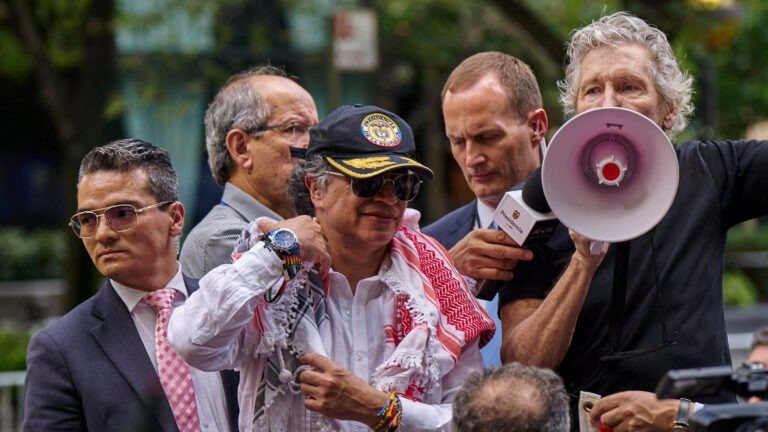
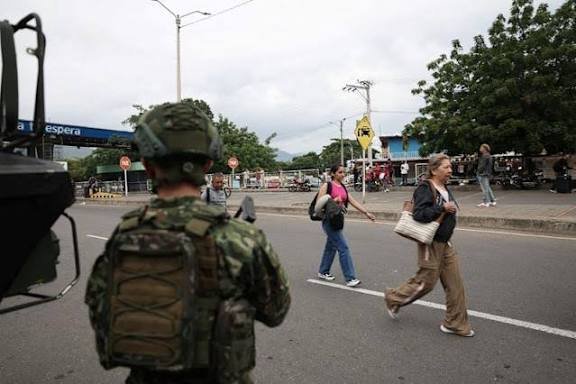
A dramatic U.S. military operation in Caracas has upended geopolitics in the Western Hemisphere, leading to a sharp war of words between U.S. President Donald Trump and Colombian President Gustavo Petro.
On January 3, U.S. special forces captured Venezuelan President Nicolás Maduro and his wife, Cilia Flores, in the Venezuelan capital. They were swiftly flown to New York, where they face federal indictments on charges of drug trafficking and narco-terrorism.
The operation triggered an immediate response from Trump, who commented on the situation while aboard Air Force One the following day. He turned his focus to neighboring Colombia, directly accusing President Gustavo Petro of harboring cocaine laboratories.
“It sounds good to me,” Trump said when asked about the potential for a similar U.S. operation in Colombia, reviving longstanding tensions between Washington and Bogotá.
President Petro, a former guerrilla fighter, issued a defiant response. He vowed that Colombia would take up arms to defend its sovereignty if invaded. In a statement, he highlighted his government’s record in seizing cocaine shipments, framing it as evidence of his commitment to combating the drug trade.
Trump invoked the historical Monroe Doctrine to justify a hardline stance, asserting the need to push foreign powers out of the hemisphere and maintain regional dominance.
Reactions to the capture and the subsequent threats have split sharply. Supporters of the raid have praised it as a decisive strike against corruption and drug cartels. Critics, however, warn it marks a dangerous return to gunboat diplomacy and imperialism, risking broader instability across Latin America.
The event marks one of the most direct U.S. interventions in the region in decades and sets the stage for a potentially volatile standoff between the United States and one of its traditional allies in South America.
About The Author