
U.S.-Brokered Summit Aims to Seal Peace Between Congo and Rwanda
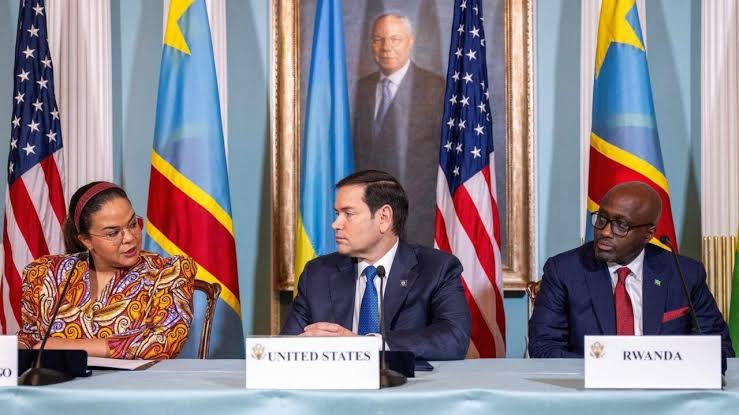
December 2, 2025 — The leaders of the Democratic Republic of Congo (DRC) and Rwanda are set to meet at the White House this week to sign a U.S.-brokered peace agreement, in a high-stakes diplomatic effort to end decades of conflict in Central Africa’s Great Lakes region.
The meeting between DRC President Felix Tshisekedi and Rwandan President Paul Kagame, hosted by U.S. President Donald Trump on December 4, aims to finalize a “historic peace and economic agreement”. This follows months of negotiations and builds upon a preliminary pact signed by the countries’ foreign ministers in Washington in June 2025.
The Long Road to Washington
The path to this week’s summit has involved multiple diplomatic tracks and repeated delays, underscoring the complexity of the conflict.
Timeline of Key Diplomatic Events (2025)
· Late June: DRC and Rwanda foreign ministers sign a preliminary peace and economic agreement in Washington.
· July-August: First meetings of implementation committees are held in Washington and Addis Ababa.
· Early November: Planned presidential summit is postponed.
· Late November: President Tshisekedi confirms his attendance for December 4; President Kagame expresses cautious optimism.
· December 4: Scheduled presidential summit at the White House.
Parallel talks have been underway in Doha, Qatar, focused on dialogue between the Congolese government and the M23 rebel group. By November, those talks had yielded progress on specific protocols, including ceasefire monitoring and a prisoner exchange mechanism.
Core Issues and Sticking Points
The conflict, rooted in the aftermath of the 1994 Rwandan genocide, revolves around security, sovereignty, and the control of vast mineral resources. As the leaders prepare to meet, several key issues remain central to the negotiations:
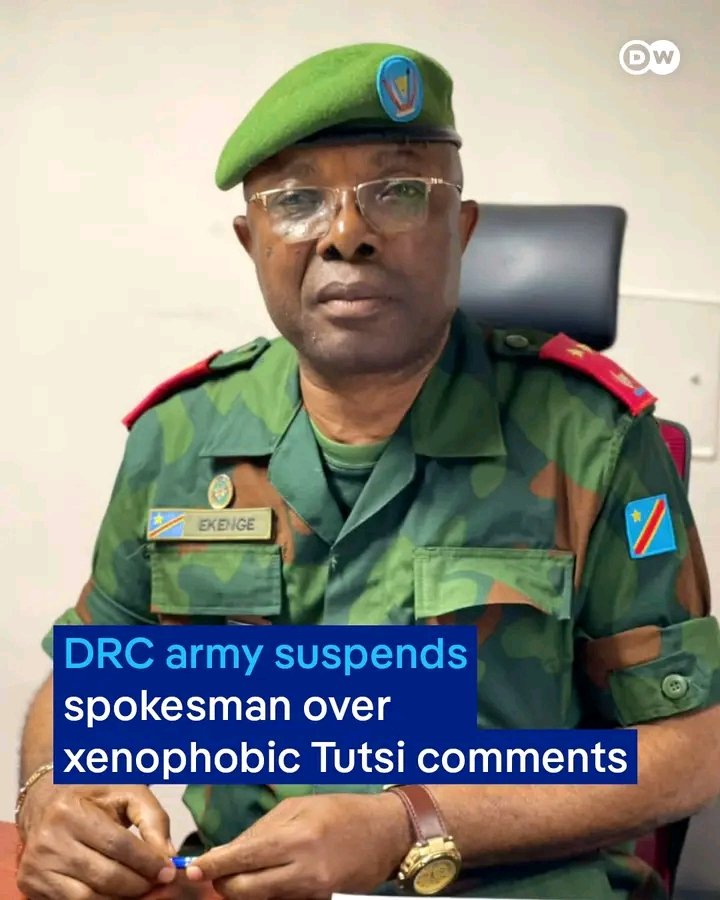
· Withdrawal of Forces and Support: The DRC government has consistently stated that any final deal is conditional on the verified withdrawal of Rwandan forces from its territory and an end to Kigali’s support for the M23 rebels. Rwanda denies direct support for M23 but acknowledges “defensive measures” against Hutu armed groups (FDLR) it views as a threat, which it wants Kinshasa to neutralize.
· The Future of the M23: A major point of contention is the disarmament and reintegration of M23 fighters. President Tshisekedi has drawn a “red line,” publicly refusing any integration of M23 combatants into the national army (FARDC), a position supported by Congolese law and public opinion. The M23, in turn, has rejected integration into what it calls a “defeated army,” instead aspiring to help build a new security apparatus for the country.
· Sovereignty and Economic Integration: DRC officials frame the pursuit of peace within the context of “regional integration,” but emphasize that the country’s territorial integrity and sovereignty are “non-negotiable”. The agreement is expected to include a framework for economic cooperation covering mining, energy, and infrastructure, which the DRC hopes will anchor long-term stability.
· Verification and Enforcement: Past agreements, like the 2024 Luanda accord, have collapsed. Analysts warn that without strong, credible mechanisms to verify commitments—such as the withdrawal of forces—any new deal will remain fragile.
A Region Weary of War
The human cost of the ongoing violence is staggering. A recent UN report documents that all parties to the conflict, including M23, the Rwanda Defence Forces (RDF), the Congolese army, and affiliated militias, have committed serious violations that may amount to war crimes and crimes against humanity.
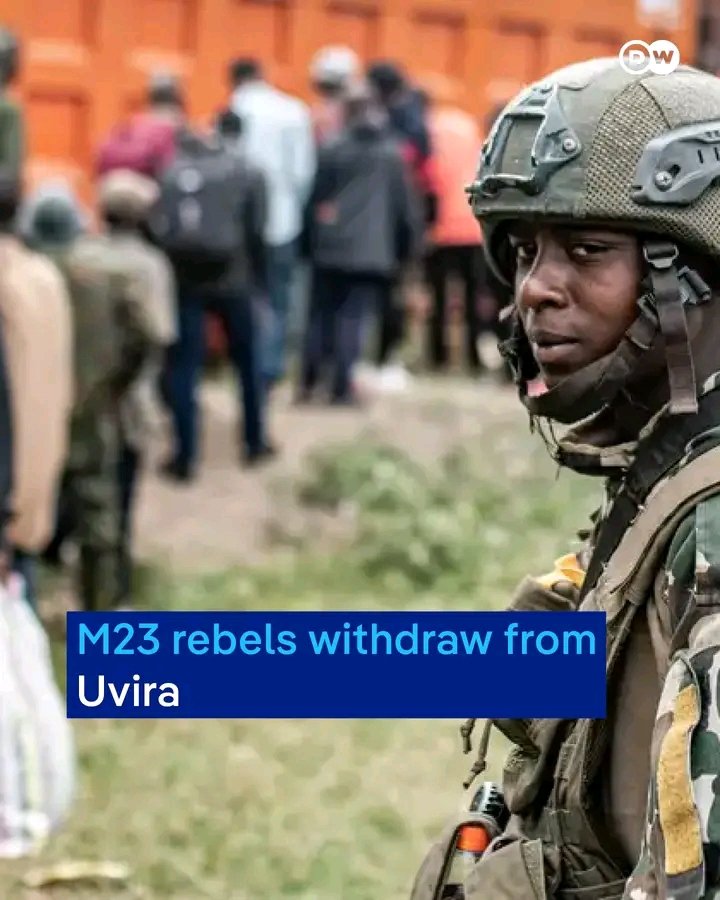
Fighting intensified dramatically in early 2025 when M23 rebels, allegedly with Rwandan support, seized the major eastern cities of Goma and Bukavu. A UN report documented that at least 319 civilians were killed in North Kivu in July 2025 alone by “M23 fighters, aided by members of the Rwanda Defence Force”.
The region is rich in minerals like gold, coltan, and tantalum, which are critical for global technology but have long fueled a war economy that benefits armed groups.
Prospects for a Lasting Peace
In the days leading up to the summit, the tone from both capitals has been a mix of commitment and caution.
President Kagame has stated that Rwanda is ready to sign a balanced and verifiable agreement but stressed that “a meeting in Washington, or U.S. involvement alone, would not be sufficient without genuine commitment from those directly concerned”.
For his part, President Tshisekedi has reiterated that his goal is “peace with dignity and full respect for Congo’s sovereignty”. His spokesperson, Tina Salama, summarized Kinshasa’s position: “We are seeking peace within the framework of regional integration… What is non-negotiable for us is the territorial integrity of the DRC”.
The international community is watching closely. The United States has a stated interest in helping to stabilize the mineral-rich DRC and secure access to its critical minerals, as part of a broader strategy to diversify supply chains away from China.
As the three leaders prepare for a potential handshake at the White House, the summit represents a critical juncture. It holds the promise of a turning point for a region exhausted by conflict, but its success hinges on translating a signed document into changed actions on the ground in the hills of eastern Congo.
About The Author