
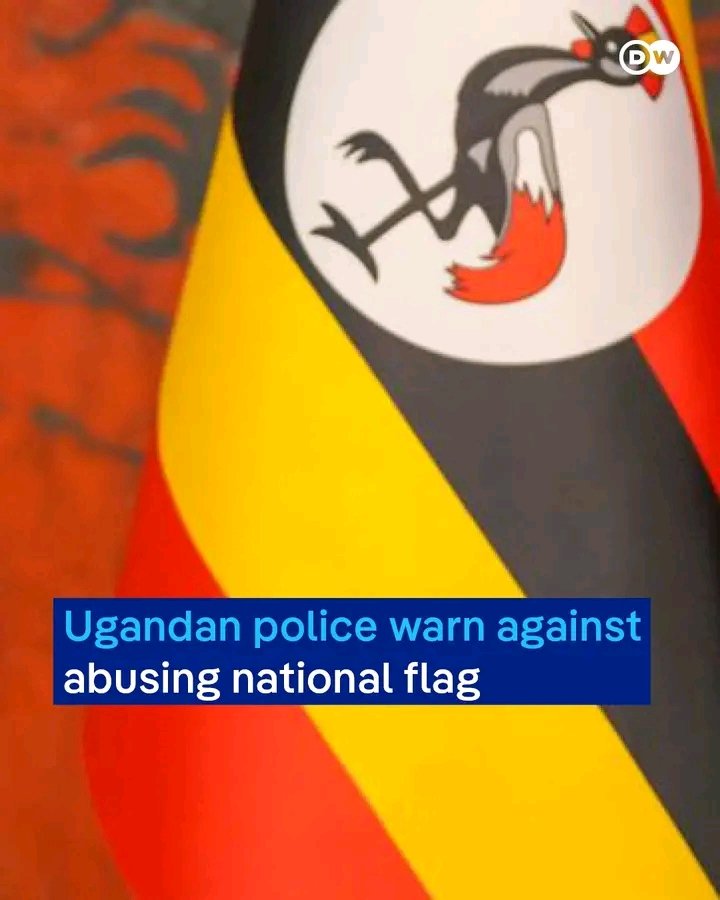
Uganda Announces Strict New Rules Governing Use of National Flag
KAMPALA, Uganda – Ugandan authorities have issued a directive requiring citizens to obtain formal permission from the Minister of Justice and Constitutional Affairs before displaying the national flag in public settings. The move is part of a broader enforcement of stringent flag etiquette regulations that has sparked public debate.
According to the guidelines released by law enforcement, the flag must be treated with “dignity at all times.” Specific prohibitions include hanging the flag “casually,” leaving it outdoors overnight, or exposing it to rain. The rules mandate that the flag be properly lowered, stored, and protected from damage or dishonor.
While officials frame the directive as a long-overdue reinforcement of national respect and protocol, the sudden and stringent focus has raised eyebrows among citizens and analysts. Many are questioning the timing and underlying motives of the enforcement drive.
“Respecting national symbols is important, but this level of restriction and the requirement for ministerial approval for public use feels excessive and controlling,” remarked a civil society advocate in Kampala, who spoke on condition of anonymity. “It inevitably leads one to ask whether this is about reverence for the flag or about limiting a symbol of national unity to controlled, state-sanctioned displays.”
The government has not cited a specific incident that prompted the renewed emphasis on flag regulations. Critics suggest the move could be politically motivated, potentially aimed at curtailing the flag’s use in opposition gatherings or protests, where it has been a common symbol.
No timeline has been given for how long the permission process may take, leaving event organizers and businesses uncertain about compliance. The directive states that violations will be punishable under existing laws, though the exact penalties were not detailed in the initial announcement.
As the guidelines circulate, the debate continues over the balance between promoting national respect and imposing restrictions that may be seen as suppressing civic expression.
About The Author