
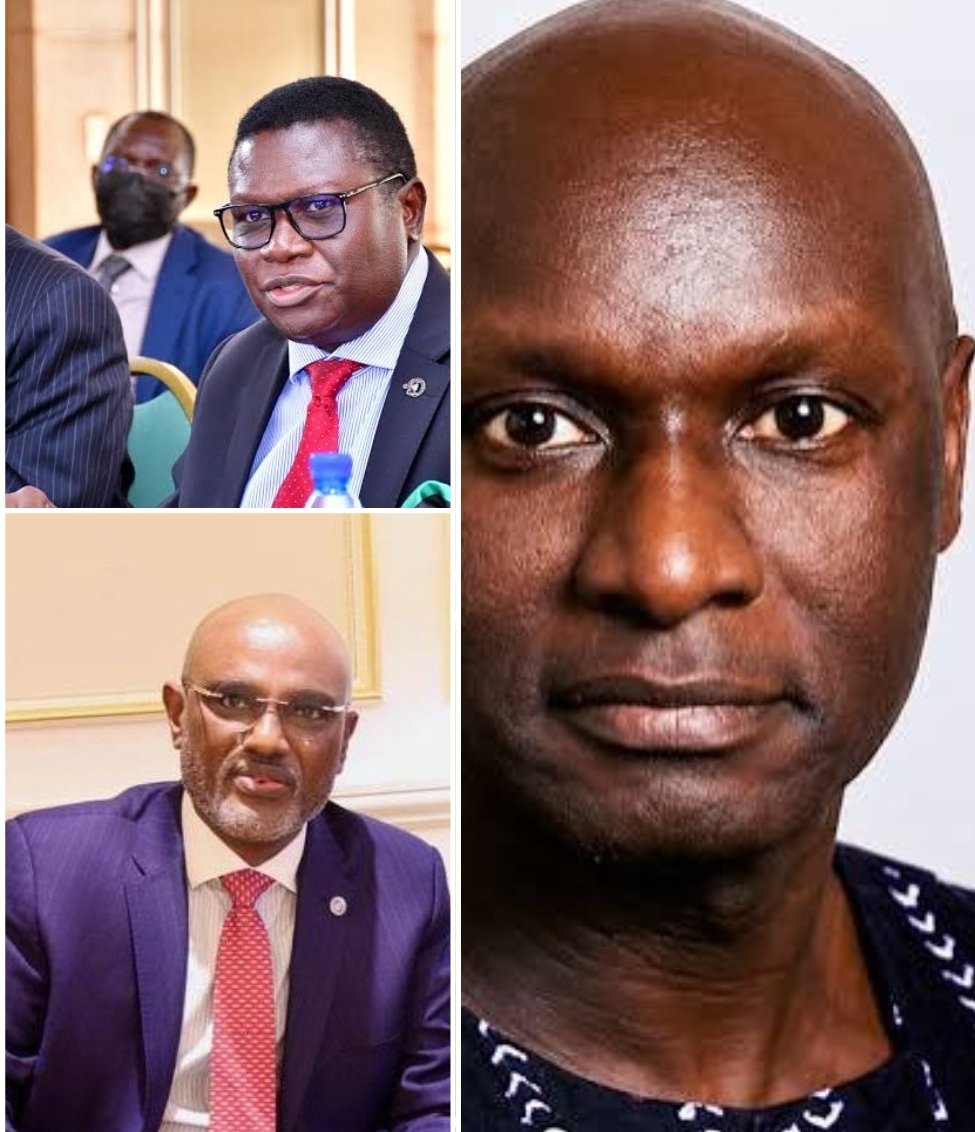
Ugandan Ministers Clash Publicly Over ICC Withdrawal Threat and UN Secretary-General Bid
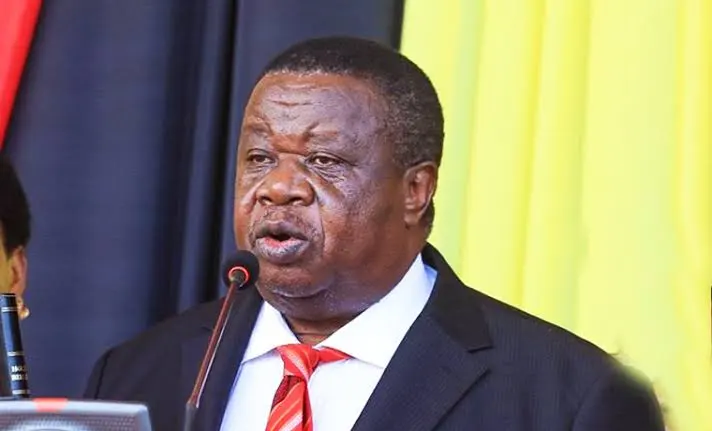
Kampala, Uganda — A public rift has emerged between two senior Ugandan government officials over the country’s stance on the International Criminal Court (ICC), with Justice Minister Norbert Mao publicly rebuking Foreign Affairs Minister Adonia Ayebare’s threat to withdraw Uganda from the international tribunal.
The dispute, which unfolded on the social media platform X (formerly Twitter), highlights growing tensions within the Ugandan government regarding international institutions and diplomatic strategy.
Ayebare’s Threat to Leave the ICC
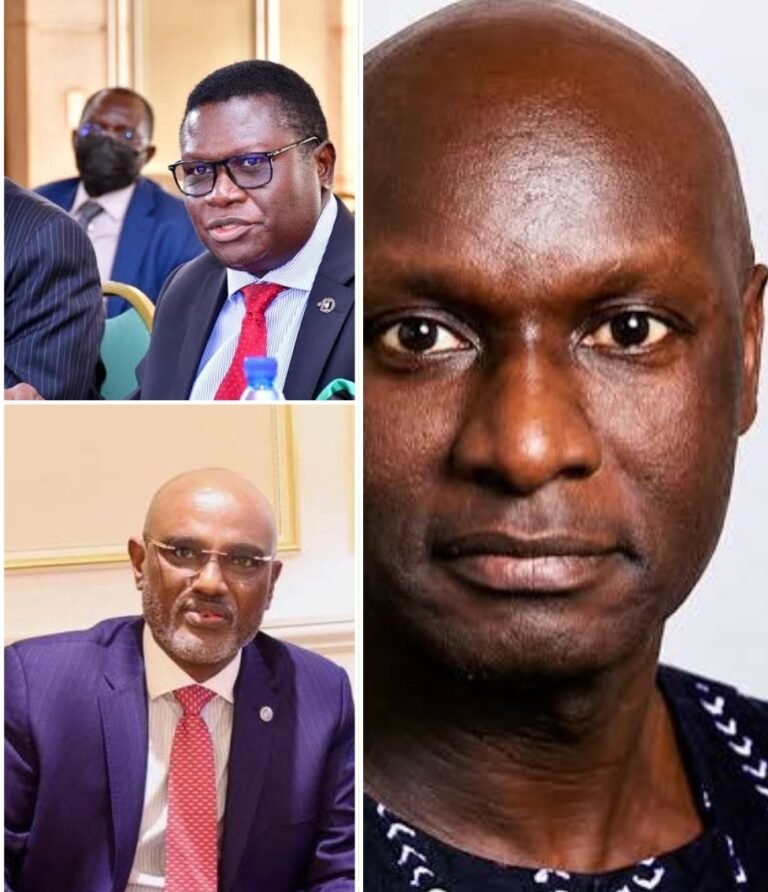
The clash was ignited by a statement from Foreign Affairs Minister Adonia Ayebare, who declared that the ICC has “lost its way.” Ayebare accused the court of “blatantly undermining Sovereignty of its member states by exclusively targeting African officials” and abandoning its original global mandate.
Ayebare specifically pointed to what he described as member states targeting senior court officials from the global South, such as former prosecutor Karim Khan, for exercising prosecutorial independence.
“Uganda will not hesitate to leave this increasingly rogue institution should it ever investigate or indict our people,” Ayebare stated. “As a member of the ICC Bureau we will continue to advocate for common-sense reforms.”
Mao’s Pushback and Diplomatic Concerns
Justice Minister Norbert Mao responded sharply to Ayebare’s statement. While acknowledging that he, too, has historically held reservations about the ICC—referencing his past belief that arrest warrants against Lord’s Resistance Army (LRA) leaders undermined peace talks—Mao argued that the timing of Ayebare’s threat is highly damaging to Uganda’s diplomatic interests.
Mao specifically warned that the statement undermines Ambassador Olara Otunnu’s campaign for United Nations Secretary-General.
“Above all, the timing of this statement kills Ambassador Olara Otunnu’s campaign for UN SG,” Mao wrote. “He believes in international law and the role of international organizations to defend the weak against the strong. It cannot be the country promoting his candidacy to start publicly denouncing an international organization to which Uganda belongs voluntarily (unlike the US).”
Mao also criticized Ayebare for seemingly parroting the rhetoric of U.S. officials, specifically mentioning Senator Marco Rubio. He concluded with a stark warning about the political fallout: “Now when Olara Otunnu’s campaign dies, your fingerprints will be all over the murder weapon! Like you have always told me when I post something which is in the kitchen but not ready to be served: We need to talk!”
Background and Context
The public spat underscores long-standing frustrations across the African continent regarding the ICC’s focus on African leaders. Uganda has been a member of the ICC since 2002.
Despite the public clash, Ayebare has defended his position as a long-standing view rather than a reaction to external pressures or U.S. sanctions. The exchange highlights a delicate balancing act for Uganda as it navigates its international obligations, domestic sovereignty concerns, and its push to secure top United Nations leadership roles.
About The Author