
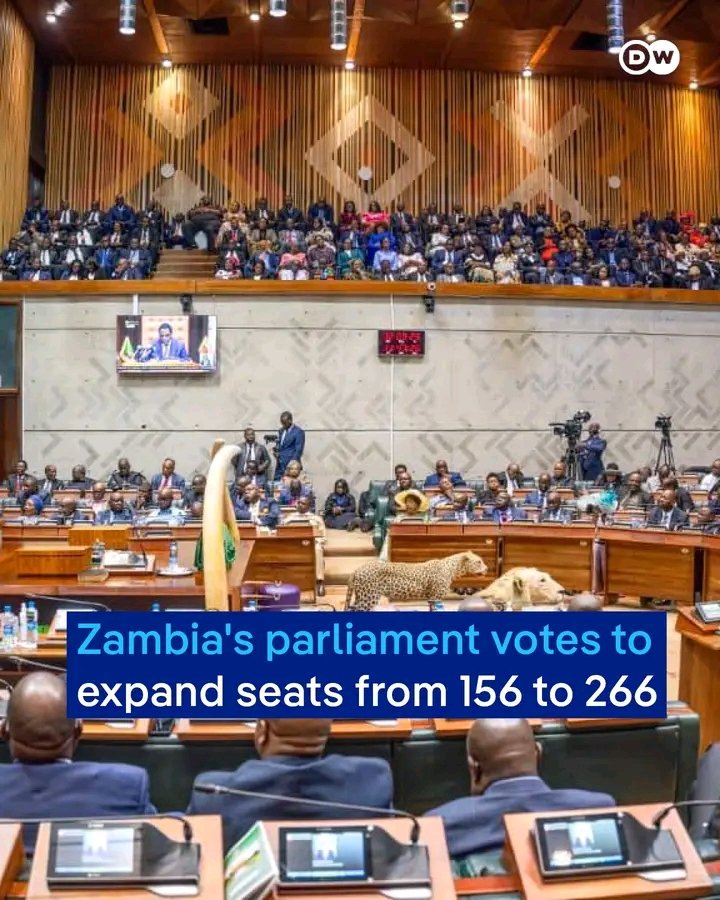
Zambia Approves Major Expansion of Parliament, Adding Seats for Marginalized Groups
LUSAKA — Zambia’s National Assembly has passed a landmark constitutional amendment bill that will significantly expand the country’s legislature, increasing the number of lawmakers from 156 to approximately 266.
The bill, which secured passage with more than 130 votes, introduces a new system of proportional representation dedicated to youth, women, and persons with disabilities. It now awaits the assent of President Hakainde Hichilema within the next 21 days to become law.
Proponents of the amendment hail it as a transformative step for inclusive democracy. “This reform ensures that voices often marginalized in our political process have a guaranteed platform in our highest legislative body,” said one government lawmaker during the debate. Supporters argue that the change will strengthen national representation and align Zambia with regional and international standards for inclusive governance.
However, the move has drawn sharp criticism from opposition figures and some governance analysts. Critics contend that the expansion will increase the influence of the executive, particularly the presidency, as many of the new proportional representation members will be nominated through party lists. They also warn that the amendment eliminates by-elections for constituency seats, instead allowing parties to fill vacancies internally—a shift they say could weaken direct accountability to local electorates.
“While we support greater inclusion, this bill centralizes power and reduces the ability of voters to hold individual representatives accountable,” argued an opposition legislator.
The constitutional change comes amid broader debates about governance and political reform in Zambia. If assented to by President Hichilema, the implementation of the expanded parliament will mark one of the most substantial structural changes to the country’s legislature in recent history, with long-term implications for its political landscape.
About The Author