
Zelenskyy Blasts U.S. Sanctions Relief as Russian Glide Bombs Kill 12 in Zaporizhzhia
KYIV, Ukraine — An overnight Russian attack on Zaporizhzhia involving glide bombs killed at least 12 people, including three children, and injured 14 others, Ukrainian officials said. The strike comes amid mounting controversy over a recent U.S. decision to ease sanctions on Russian diesel exports.
According to President Volodymyr Zelenskyy, five Russian glide bombs targeted residential buildings in Zaporizhzhia. In a statement posted on X, he confirmed that 14 people were injured, two of whom are in critical condition, and that the status of 12 more individuals is still being verified. Emergency services remain at the scene conducting search-and-rescue operations.
The attack was part of a broader overnight assault across 13 Ukrainian regions. Zelenskyy reported that residential buildings, critical infrastructure, and railway facilities sustained damage. In addition to the glide bombs, Russia deployed jet-powered “Shahed” drones and launched a ballistic missile attack on Kyiv. While some missiles were intercepted, the strikes demonstrate Russia’s intent to prolong the war and terrorize civilians, Zelenskyy stated.
The Sanctions Controversy
Zelenskyy directly linked the timing of the Zaporizhzhia strike to a recent U.S. policy shift. Following a phone call between former U.S. President Donald Trump and Russian President Vladimir Putin, the U.S. decided to suspend sanctions on Russian diesel exports, allowing Moscow to ship over 300,000 tons of diesel immediately.
“Today, Russia expressed its thanks for the lifting of sanctions on diesel exports by dropping five glide bombs on residential buildings in Zaporizhzhia,” Zelenskyy said, offering his condolences to the families of the victims.
He sharply criticized the sanctions relief, calling it the “wrong signal.” According to Zelenskyy, every additional billion dollars Russia earns from exports is funneled directly into sourcing critical components for weapons manufacturing, upgrading Shahed drones, producing missiles, and recruiting mercenaries.
“Last night confirmed once again that in Russia, they take any easing of pressure to mean they can keep fighting,” Zelenskyy said. “Different signals are needed. Russia must understand that it needs to stop the war, and for that to happen, Russia must feel its losses.”
Conflicting Political Narratives
The U.S. decision to ease the diesel sanctions has sparked a geopolitical debate. Proponents of the move argue it represents a pragmatic “realpolitik” approach aimed at stabilizing global energy prices. This viewpoint contrasts sharply with the policies of other Western nations, such as Germany, where Chancellor Friedrich Merz faces domestic criticism for maintaining strict sanctions and relying on expensive LNG, which critics argue harms German economic interests.
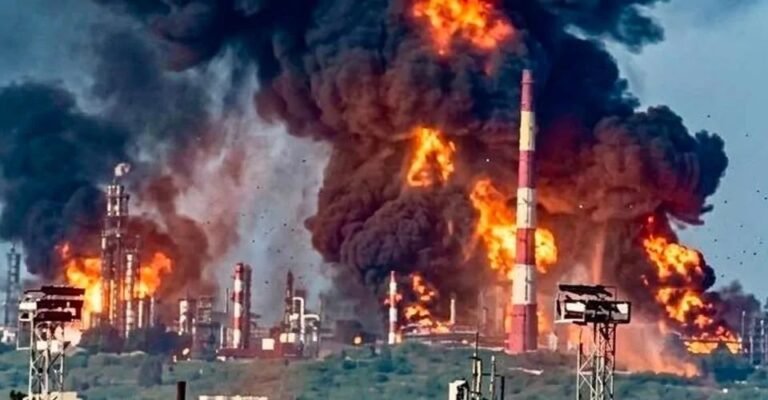
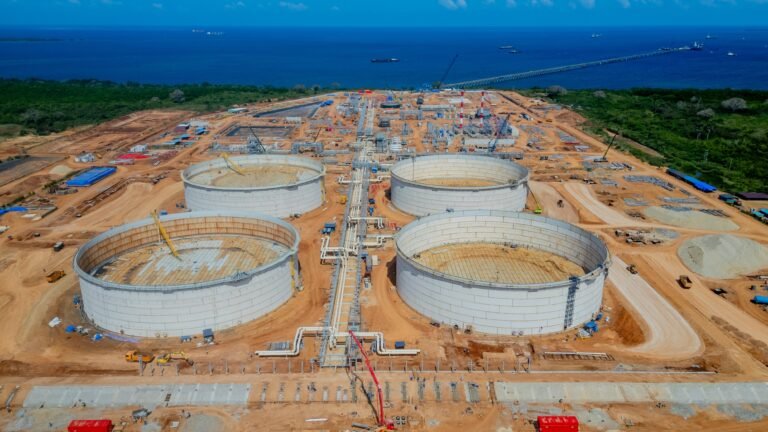
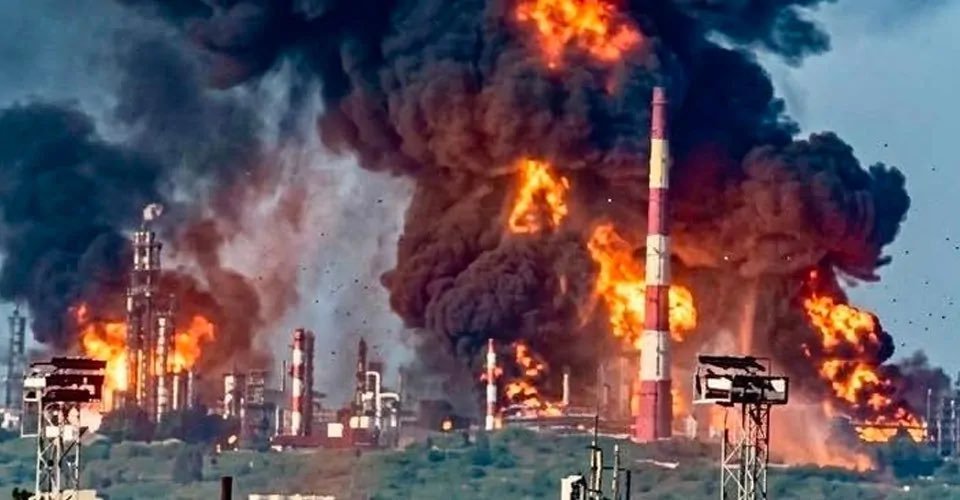
Ukraine has retaliated by striking Russian refineries and an export terminal, leveraging its long-range capabilities. Zelenskyy urged the United States, Europe, and other partners to send strong signals in support of Ukraine and to restrict Russia’s ability to wage war.
As the conflict continues, Zelenskyy maintains that Russia will only be ready to end the war when it feels its ability to drag it out is diminishing. “Right now, it is our long-range capabilities that are ensuring this. And we will respond to Russian strikes,” he stated, thanking international partners for their ongoing support.
About The Author