
Heartbreaking Tragedy Unfolds in Kampala as NEMA Wetland Demolitions Leave Families Devastated
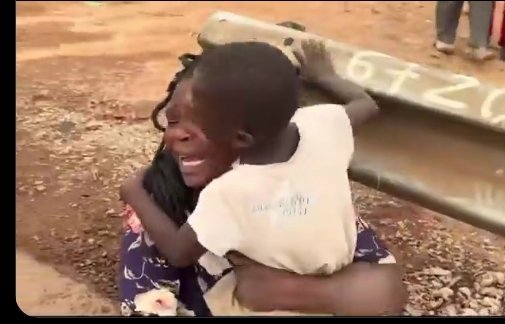
Kampala, Uganda — In a scene that has sparked widespread outrage and sympathy across Uganda and beyond, a young boy was captured on video desperately pleading with his mother as she lay on a busy roadside, apparently attempting to take her own life following the demolition of their family home by the National Environment Management Authority (NEMA).
The incident occurred last week amid NEMA’s intensified campaign to clear illegal encroachments on wetlands in areas such as Lubigi and Kawaala, near Kampala’s Northern Bypass in Rubaga Division. Heavy machinery, supported by police and military personnel, razed residential houses, rental units, and small businesses, leaving hundreds of families homeless and dozens of livelihoods destroyed.
Desperation on the Roadside
According to eyewitness accounts and viral videos circulating on social media, the mother — dressed in a floral outfit — collapsed near passing cars and motorcycles in visible distress. Her young son, visibly overwhelmed, tried frantically to pull her away from danger and prevent what appeared to be a suicide attempt. The emotional footage has drawn massive attention, with many users calling for immediate support for the affected family.
Public reactions have been deeply divided. Activists and residents have condemned the operation as heartless, arguing that it disproportionately targets poor families who have lived in these areas for years, sometimes decades. Many displaced people report receiving little to no prior warning or adequate relocation support.
Environmental Imperative vs. Human Cost
NEMA defends the demolitions as essential for restoring critical wetlands, which serve as vital water catchments, flood control zones, and ecological buffers for the capital region. Officials state that restoration orders were issued as early as 2021, with encroachers given time to comply before enforcement actions were taken at the violators’ expense.
Environmental experts emphasize that unregulated building in wetlands exacerbates flooding in Kampala, a city already vulnerable to climate change impacts. However, critics point out inconsistencies in enforcement, questioning why some larger or politically connected structures appear to escape similar scrutiny.
Calls for Support and Accountability
As the story trends on X (formerly Twitter), there are growing calls for authorities to locate and support the affected mother and child. Humanitarian organizations and concerned citizens are urging donations, temporary shelter, and counseling services for the displaced families.
This incident highlights the complex challenge Uganda faces in balancing environmental protection with the urgent needs of its growing urban poor population. Many affected residents argue they were never properly informed about the wetland status of their land and built homes in good faith.
As investigations continue and public debate intensifies, the human stories emerging from Lubigi and Kawaala serve as a stark reminder of the real-world consequences of enforcement actions on vulnerable communities.
About The Author