
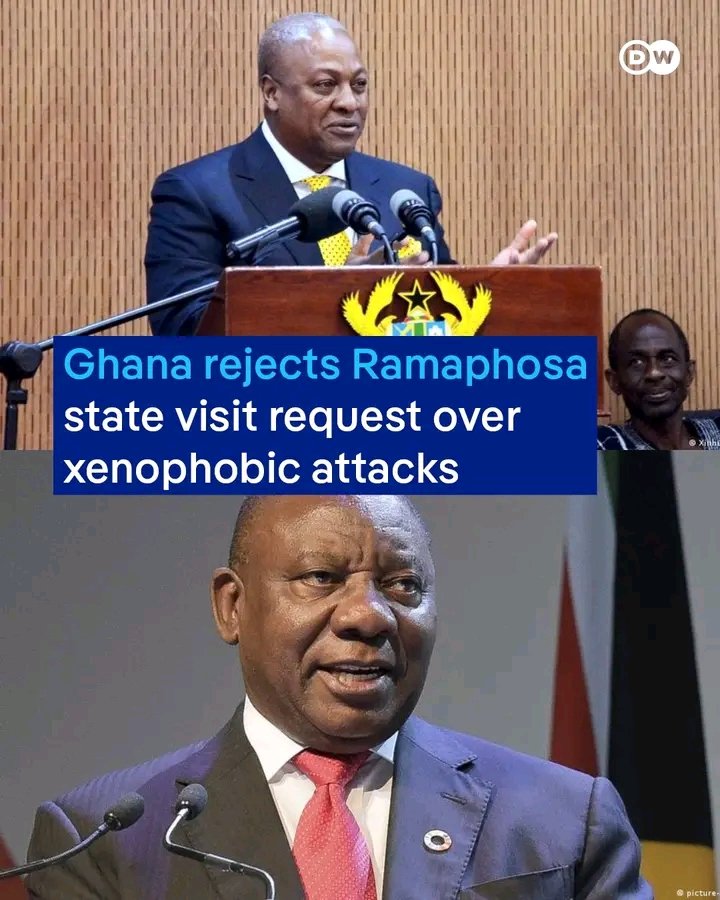
Ghana Cancels Ramaphosa State Visit Over South Africa Xenophobia Tensions
Accra cites safety concerns and public anger after anti-foreigner attacks
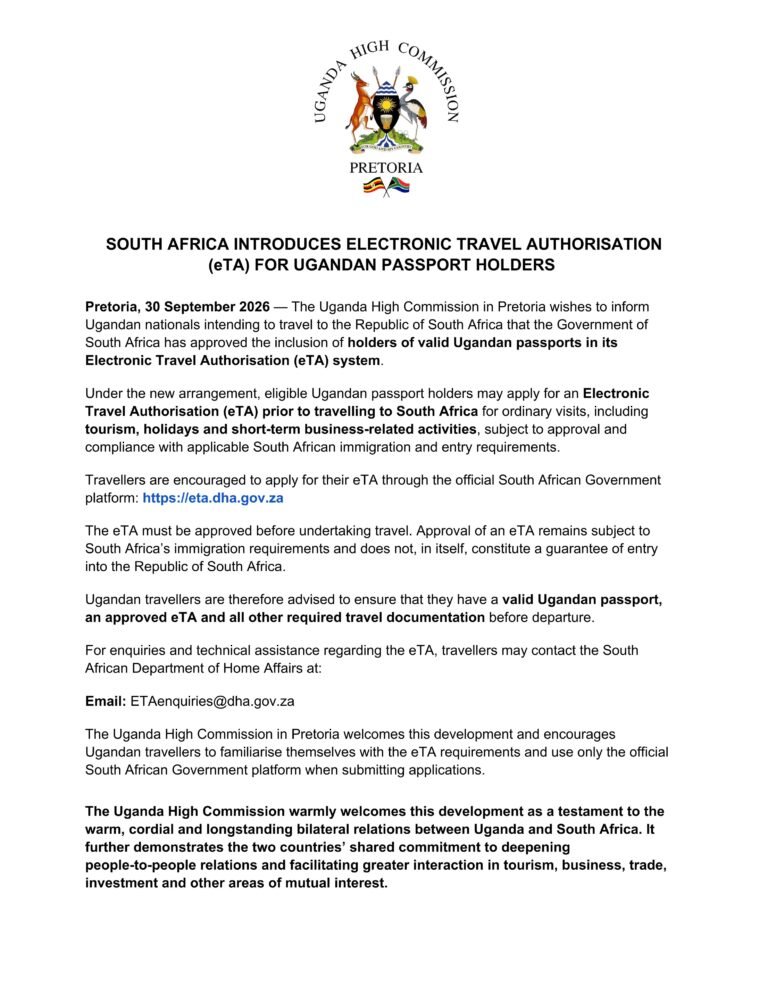
Ghana has reportedly declined a formal request for a state visit by South African President Cyril Ramaphosa, amid lingering fury over recent xenophobic violence targeting foreign nationals in South Africa.
According to Ghanaian officials who spoke to DW, the decision was taken to avoid potential public backlash and protests on Ghanaian soil while emotions over the attacks remain raw.
Visit Scheduled for Early August
The planned state visit, expected to take place in early August, was quietly turned down after high-level consultations within the Ghanaian government. Sources indicate that Accra assessed the political climate and concluded that hosting President Ramaphosa at this time would risk significant domestic unrest.
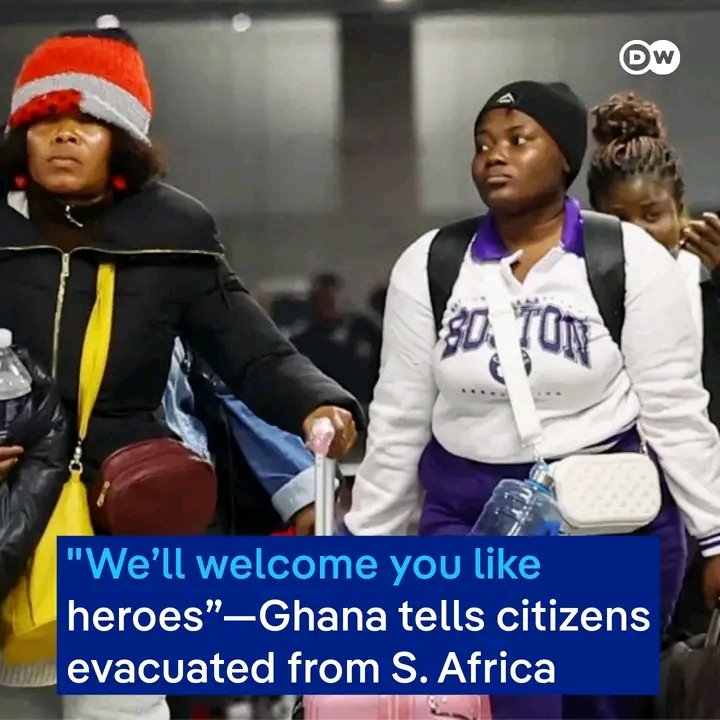
Ghanaian officials emphasized that the safety and dignity of their citizens are paramount, and that allowing the visit to proceed could be interpreted as indifference to the suffering of Ghanaian and other West African nationals affected by xenophobic incidents in South Africa.
“Concrete Steps” Demanded
In its communication with Pretoria, Accra has reportedly urged South African authorities to take concrete, measurable actions to address the root causes of xenophobic attacks and to guarantee the protection of foreign nationals living and working in the country.
The Ghanaian government has not ruled out future engagement but has made it clear that progress on citizen safety is a prerequisite for any high-level bilateral visit moving forward.
Broader Regional Unease
Ghana’s move reflects a wider unease across the African continent. Nigeria, Malawi, and Zambia have previously summoned South African envoys or issued travel advisories following outbreaks of anti-foreigner violence, which frequently targets street traders, shop owners, and migrant workers from other African nations.
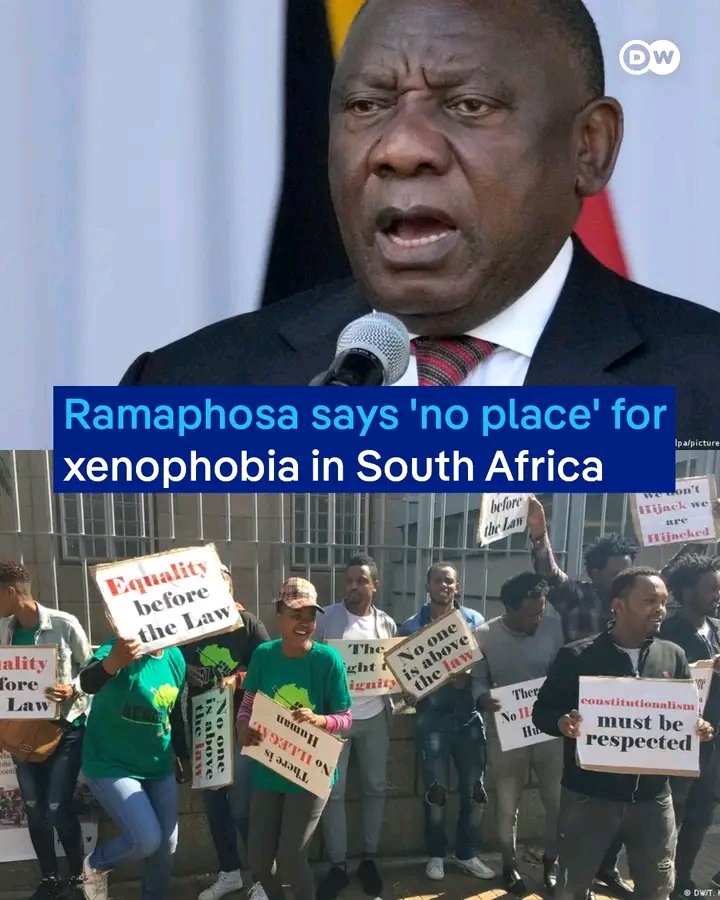
South Africa has repeatedly condemned the attacks, with President Ramaphosa himself describing them as “un-South African” and a “shame to the nation.” However, critics argue that government responses have been reactive rather than preventive, and that systemic economic frustrations are being scapegoated onto foreign nationals.
Diplomatic Fallout
While South Africa’s Department of International Relations has not officially commented on Ghana’s reported refusal, diplomatic sources suggest the cancellation is a significant setback for Ramaphosa’s Pan-African agenda. The South African leader has positioned himself as a champion of continental integration and African unity—a stance now complicated by persistent violence at home.
Political analysts note that Ghana, as a stable democracy and a key economic hub in West Africa, carries considerable moral authority on the continent. Its decision to pause bilateral engagement may embolden other nations to adopt similar stances unless Pretoria demonstrates lasting change.
What Happens Next?
Accra has left the door open for future dialogue, but officials stress that goodwill alone is insufficient. The Ghanaian government is reportedly seeking verifiable commitments, including improved police response to xenophobic incidents, public education campaigns, and legal protections for foreign residents.
For now, the cancelled visit stands as a stark reminder that African solidarity, while rhetorically powerful, remains fragile in the face of repeated violence against fellow citizens of the continent.
About The Author