

Empowering artisanal miners will boost the mining sector
For years, artisanal miners in Uganda have risked their lives in deep, unstable holes — sometimes emerging with just a few grams of gold. Yet despite their sacrifice, the sector remains plagued by dodgy deals, illicit gold financing, and a regulatory framework that feels detached from ground realities.
According to experts and industry players, formalisation is the right remedy. But the cost of compliance remains too expensive for individual artisanal miners and small local gold dealers.
“The government doesn’t grasp how miners risk their lives in deep holes for just a few grams,” one sector insider with personal experience in Uganda’s gold trade noted. “Regulations can’t be made from offices. They must be field-based. The Ministry of Energy and Mineral Development should employ on-ground, gold-savvy miners who understand the reality.”
A sector stuck between potential and leakage
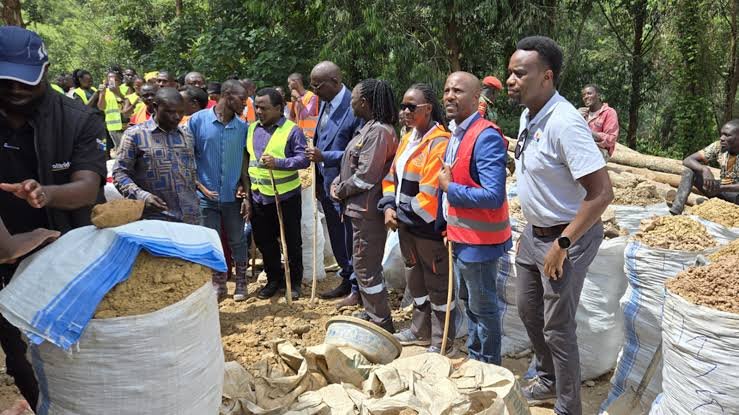
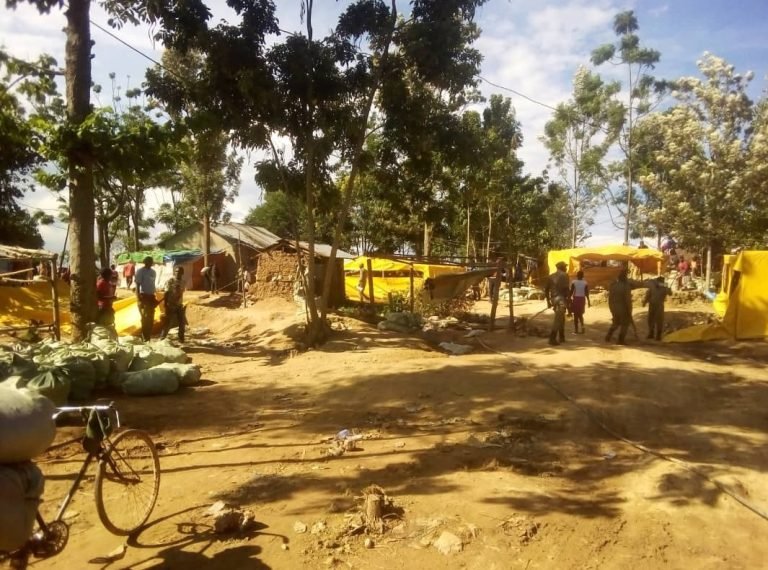
Data from PlanetGOLD indicates that out of roughly 600,000 artisanal and small-scale miners in Uganda, about 31,600 are directly involved in gold mining. In gold-rich districts like Busia, Buhweju, Abim, Kassanda, and Nakapiripirit, residents scavenge alluvial soils, collecting three to four grams daily using mercury and cyanide leaching. Marketers say that irrespective of purity, a gram of gold currently fetches between sh380,000 and sh450,000.
But instead of translating into national benefit, much of this gold flows through informal channels — fueling revenue leakage, smuggling, and conflict-related red flags.
The Advocates Coalition on Development and Environment (ACODE) has repeatedly warned that traceability gaps and illicit financial flows remain major concerns. “The government should allocate adequate resources to support the formalisation of artisanal and small-scale mining operations,” ACODE noted, pointing to Tanzania, which has integrated artisanal mining formalisation into its national mineral policy since 2010.
What miners and dealers say needs to change
To make the sector flourish, industry voices are proposing a raft of practical measures:
First, licenses should be highly subsidised for artisanal miners or issued to fully registered gold mining cooperatives rather than individuals.
Second, to genuinely empower local gold dealers and mining companies to sell to the Bank of Uganda, refined gold must be bought at Dubai or global market prices — not below.
Third, the government should establish Gold Startup Incubation Hubs or accelerator programmes, alongside investment-readiness training for local gold dealers and mining companies. Such initiatives, stakeholders argue, would prepare small players for formalisation and attract serious investment — while reducing multimillion-dollar gold-investor-related scams that have tarnished the sector.
Carlos Cohen, founder and CEO of Feldstein Trading Ltd, emphasised the inevitable essence of an empowered artisanal community. “Uganda has a strong potential to establish a recognised gold standard over time, and we are committed to supporting that development through structured and compliant operations,” Cohen said. He added that the focus should be on buying from artisanal miners while retooling them and being transparent — which would justify the source of gold and stabilise the industry.
Ministry acknowledges efforts, but more needed
The Ministry of Energy and Mineral Development says efforts are underway to formalise the sector, including establishing designated mineral markets where offtake to refineries will happen. As a signatory to the Minamata Convention on Mercury, Uganda is also required to build capacity among artisanal miners to protect both people and the environment from mercury pollution.
However, market observers caution that success will also depend on disincentivising the status quo — where gold cartels prefer exploiting the informal nature of trade — and rebranding the informal gold market so that miners understand and embrace legal frameworks.
As one miner put it: “Formalisation must start in the field, not in a Kampala boardroom. Give us affordable licences, fair prices, and real support — and you will see this sector transform Uganda.”
About The Author