
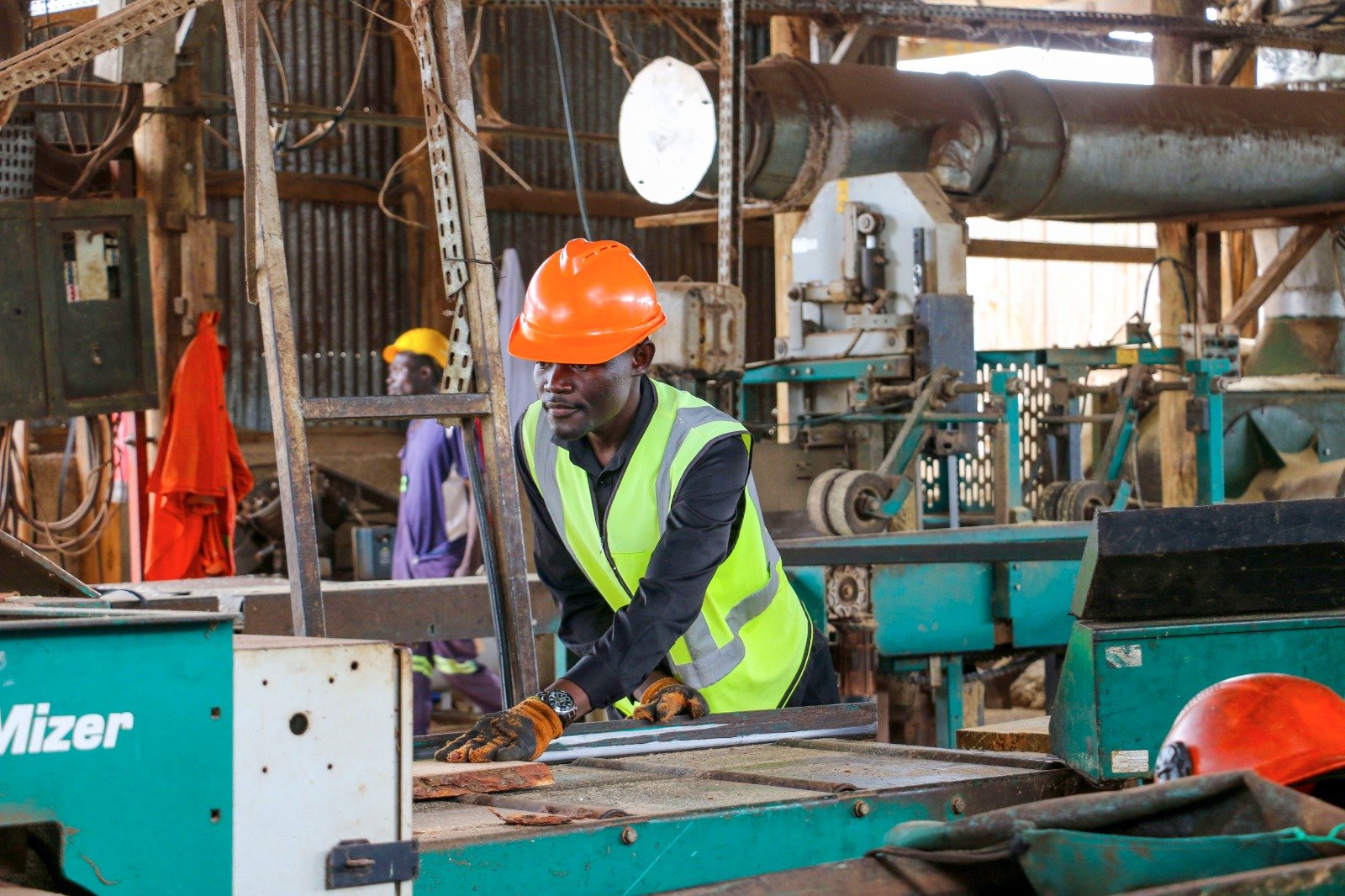
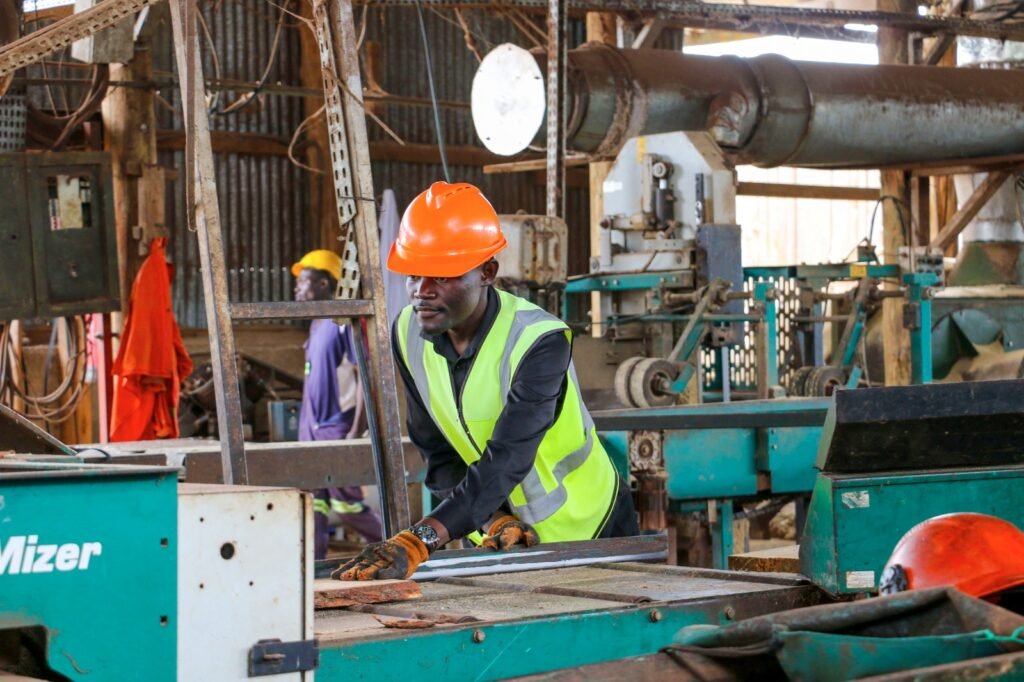
Food and Agriculture Organization of the United Nations (FAO) has launched the SME acceleration programme , the programme is implemented under the Sustainable Wood-Based Value Chains Project, funded by the European Union and the Kingdom of Denmark and it will help participating enterprises address barriers to growth and improve their readiness to access finance.
Withe support from European Union , over Fifty-four enterprises in Uganda’s forestry and wood-based value chains are set to receive tailored support to strengthen their businesses, attract investment and expand into new markets through a six-month enterprise acceleration programme with the aim of increasing domestic value addition and create jobs while promoting the sustainable use of forest resources.
Participating enterprises will receive business development support tailored to their needs, covering operational efficiency, financial performance, market expansion and investment readiness. The programme will also facilitate connections with financial institutions and investors, alongside access to regional and international market opportunities.
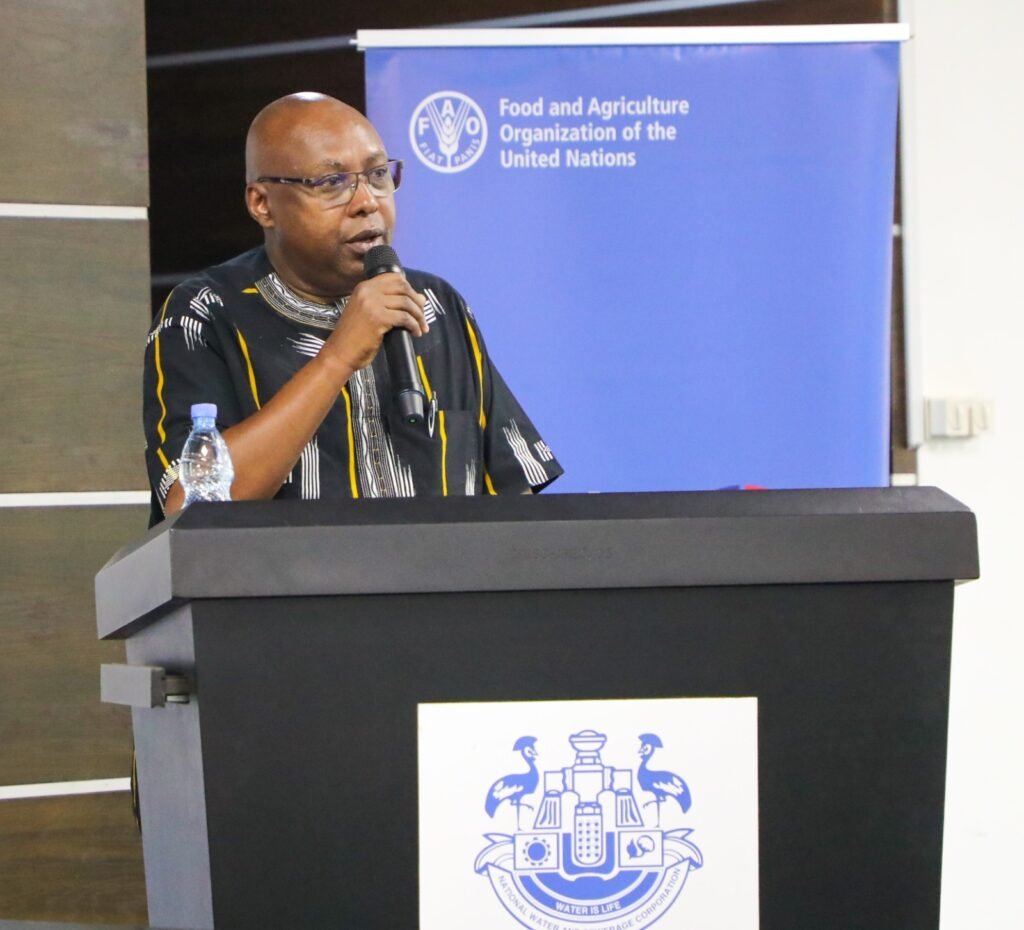
Issa Katwesige, Assistant Commissioner of Forestry, Planning and Development at the Ministry of Water and Environment while launching the programme , he emphasized the need to move beyond raw material production towards a competitive forest-based industry.
“The future of Uganda’s forest sector lies not simply in growing trees, but in building competitive enterprises, modern industries, skilled jobs and sustainable livelihoods .
Cristina Banuta, Programme Manager at the European Union Delegation to Uganda, highlighted the importance of investment readiness in enabling small and medium-sized enterprises to secure financing and grow.
“Uganda has the potential to develop competitive wood-based industries and contribute to Vision 2040’s tenfold economic growth ambition. The SME Acceleration Programme will help promising enterprises become investment-ready,” she said.
Strengthening wood-based enterprises is part of a broader effort to connect sustainable forest management with economic opportunities and improved livelihoods. Better business performance and stronger market linkages can help enterprises capture more value from forest resources while supporting responsible production and processing.
Hitimana Leonidas, FAO Team Lead for Forestry, noted that competitive and sustainable wood-based enterprises could help Uganda retain more value within its economy, reduce dependence on imports and strengthen its position as a regional supplier of quality timber and wood products.
He emphasized that the programme seeks to build a more resilient forest-based industry that contributes to Uganda’s green economy, creates decent jobs and supports the sustainable management of the country’s forest resources.
The Sustainable Wood-Based Value Chains Project forms part of the broader EU–Uganda Forest Partnership. The partnership aims to strengthen the contribution of forests to inclusive economic growth, employment and livelihoods while addressing deforestation, climate change and biodiversity loss.Uganda’s forest resources offer opportunities for domestic manufacturing, trade and employment. Realizing this potential requires competitive enterprises that can process raw materials into quality products, meet market requirements and secure financing for expansion. The programme seeks to help bridge these gaps, supporting Uganda’s ambitions to reduce reliance on imported wood products and develop a stronger forest-based industry.
About The Author