
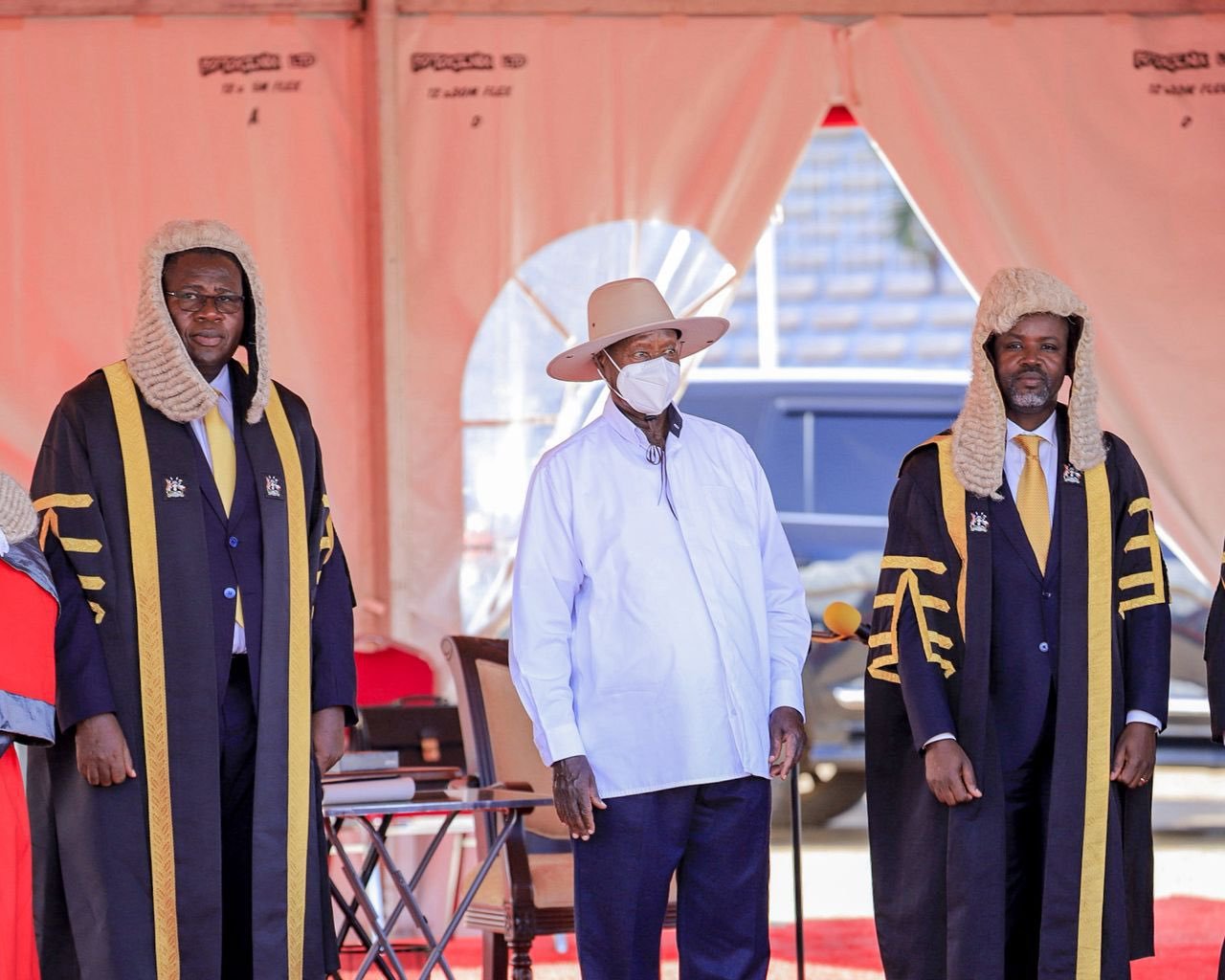
From the Streets of Tororo to the Speaker’s Chair: Jacob Marksons Oboth-Oboth’s Remarkable Rise
KAMPALA, Uganda — When Jacob Marksons Oboth-Oboth was a boy in Tororo District, fetching water for a few coins and working as a storekeeper just to survive, few would have predicted that he would one day preside over Uganda’s Parliament.
Today, that prediction became reality.
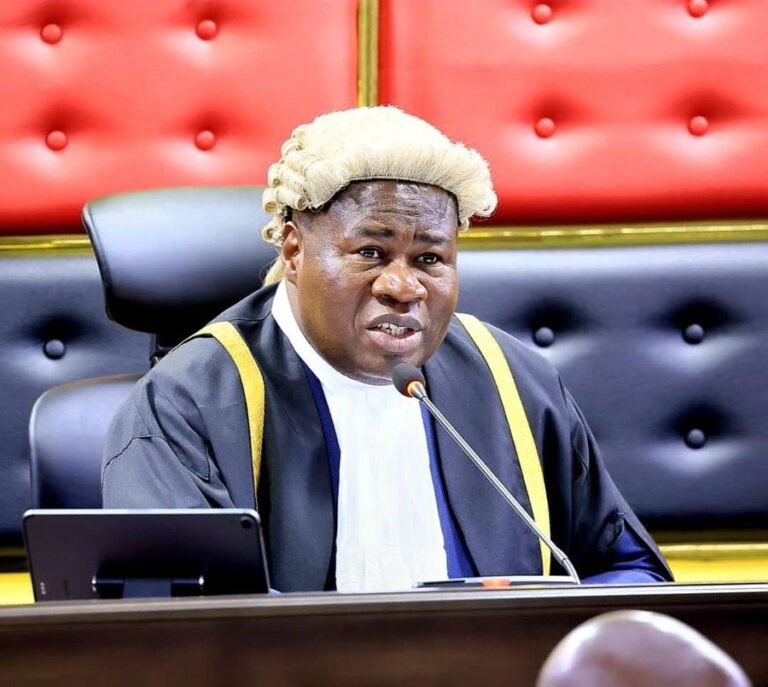
The National Resistance Movement (NRM) Member of Parliament for West Budama Central County was declared Speaker-elect of the 12th Parliament after a landslide victory — securing 441 votes against his closest challenger, Hon. Paul Mwiru, who garnered 60 votes. Democratic Party president general Norbert Mao trailed in the highly contested race for one of the country’s most powerful political offices.
Chief Justice Dr Flavian Zeija presided over the election during the 1st Sitting of the 1st Meeting of the 1st Session of the 12th Parliament.
A Pledge for Integrity
In his maiden communication from the Speaker’s chair, Oboth-Oboth struck a firm tone, aligning himself with President Museveni’s vision for a corruption-free legislature.
“Under my leadership, we will cultivate a culture of absolute integrity and zero tolerance to corruption anchored in President Museveni’s clarion call to a corruption-free Parliament in the next five years,” he pledged.
Humble Beginnings
Born on April 13, 1971, in Tororo District, Oboth-Oboth grew up in modest circumstances — a reality he has often spoken about with candor. After attending Muwafu Primary School, he joined St. Denis Ssebugwawa Secondary School for his O-Level studies. But financial hardship forced him out of school.
At one point, stranded on the streets of Tororo due to unpaid tuition, he was reportedly taken in by American missionaries. For nearly two years, he worked as a storekeeper and took on casual jobs before returning to complete his A-Level education at Tororo High School.
Legal and Academic Rise
In 1997, he entered Makerere University to study law, graduating with a Bachelor of Laws degree in 2001. He later obtained a postgraduate diploma in legal practice from the Law Development Centre and acquired additional certifications in intellectual property and public procurement from the International Development Law Organization.
In 2007, he earned a Master of Laws degree in election and cyber law from the University of Minnesota — a period he describes as transformative, helping him build international networks that later attracted donor-funded projects to his constituency.
From Legal Practice to Politics
Before entering active politics, Oboth-Oboth served as Deputy Attorney General for the Tieng Adhola Cultural Institution and as a state attorney at the Ministry of Justice and Constitutional Affairs in Mbale.
In 2010, he resigned from government service. A year later, he contested for Parliament as an Independent candidate — and defeated the then State Minister for Labour, Dr Emmanuel Otaala. Though Otaala challenged the result in court, Oboth-Oboth’s victory was upheld.
He retained his seat in 2016, polling 20,653 votes against NRM candidate Phibby Awere Otaala’s 19,462 votes, becoming the first legislator in the constituency to secure consecutive re-election since 1996.
Building Influence
Over the years, Oboth-Oboth steadily rose through parliamentary ranks. In the 9th Parliament, he chaired the Committee on Rules, Discipline and Privileges and led the parliamentary investigation into Uganda’s electricity sub-sector under the Committee on Natural Resources. He later became chairperson of the influential Legal and Parliamentary Affairs Committee while also serving on the parliamentary Business Committee and the Rules Committee.
His momentum toward the Speakership grew after Chief of Defence Forces Gen Muhoozi Kainerugaba and the Patriotic League of Uganda publicly endorsed his candidacy. The NRM’s Central Executive Committee subsequently backed him as the party’s official candidate.
A Story of Resilience
Political analysts describe Oboth-Oboth as a seasoned legislator with deep knowledge of parliamentary procedure, constitutional law and governance. Supporters portray him as approachable and grounded — qualities they say stem directly from his difficult upbringing.
As Speaker of the 12th Parliament, he now takes charge of presiding over parliamentary business, safeguarding legislative independence and steering Uganda’s lawmaking process during a politically significant period.
For many Ugandans, his election is more than a political triumph. It is a story of resilience, perseverance and determination — from the streets of Tororo to the highest office in Parliament.
About The Author