

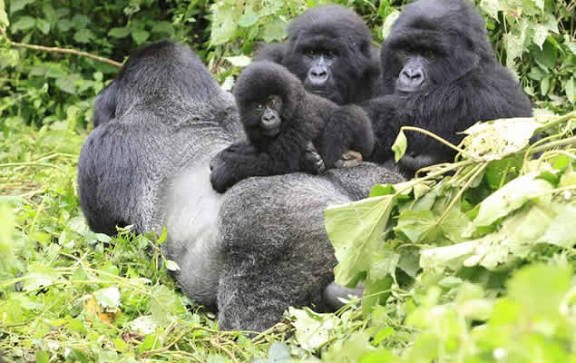
Mountain Gorilla Numbers Soar in Uganda, Marking Conservation Milestone
BWINDI, Uganda — In the mist-shrouded depths of Bwindi Impenetrable National Park, a profound resurgence is underway. New data indicates that Uganda’s iconic mountain gorillas, once teetering on the brink of extinction, are reaching unprecedented population levels, cementing their status as one of the world’s most remarkable conservation successes.
Preliminary findings from a major 2025 transboundary census across the Virunga Massif and Bwindi suggest the population has significantly surpassed the 2018 benchmark of 1,063 individuals. This growth is particularly evident in Uganda, where a sustained “baby boom” has seen births in Bwindi increase eleven-fold over the past decade.
“This isn’t just a number; it’s the energy of the forest,” shared a veteran park ranger, his gaze lost in the dense, emerald canopy. “The gorillas are thriving because the community now sees them as family.”
The turnaround is attributed to a sustained, holistic conservation model that prioritizes both habitat protection and local community investment. A cornerstone of this effort is the gorilla trekking permit system, with fees set at $800 for foreign non-residents in 2026. These funds are directly channeled into a triad of essential services: anti-poaching and habitat patrols to keep the forests “impenetrable” to threats; the financing of local schools, roads, and clinics; and funding for specialized wildlife veterinarians, known as “Gorilla Doctors,” who provide round-the-clock care.
The experience of tracking these primates is described as transformative. Trekkers navigate steep, muddy trails for hours for a rare, regulated hour in the presence of a gorilla family. The encounter—often within meters of a powerful silverback—is noted less for photographic opportunity and more for its visceral, humbling impact.
“To look into the eye of a gorilla is to see a reflection of our own history,” the report notes. “It’s a moment that stays with you.”
Despite the celebrated progress, conservationists urge cautious optimism. Significant challenges persist, including the looming pressures of habitat loss due to human encroachment and the escalating impacts of climate change on the gorillas’ delicate ecosystem.
For now, however, the trend is powerfully positive. Uganda’s mountain gorillas, the gentle giants of the mist, are not just surviving. They are climbing to new heights, offering a potent blueprint for how integrating human and ecological welfare can forge a path to recovery.
About The Author