
Former Minister Matembe Warns Museveni: Today’s Cheers Will Turn to Celebrations When You Leave
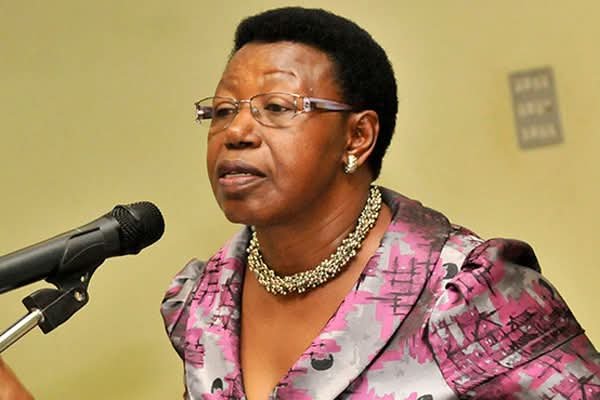
In a stark and evocative critique of Uganda’s political culture, former Ethics and Integrity Minister Miria Matembe has drawn on the nation’s history to caution President Yoweri Museveni, declaring that the fervent public displays of support he enjoys today would swiftly transform into celebrations the moment he exits power.
Matembe, a former ally turned vocal critic, made the remarks in a candid reflection on leadership and public sentiment. “President Museveni is my brother. I want him to live, and at the same time, I want him to leave the leadership of this country,” she stated.
She invoked Uganda’s turbulent past to illustrate her point. “You should have been here [to see] when Amin left, hooooo! The dancing that invaded the streets of Kampala. Even during Obote’s time, people were there singing ‘UPC! UPC! UPC!’ The moment he left, you should have seen the singing and dancing that happened here.”
Drawing a direct parallel to the present, Matembe turned her attention to the crowds that attend the President’s rallies, often clad in the yellow colours of the ruling National Resistance Movement (NRM).
“You see all these people dancing and singing as they follow Museveni in yellow, if, for instance, he quit tomorrow, hoooo! They will be the same people who will flood the streets of Kampala and Mbarara singing and dancing,” she asserted.
Her concluding remark delivered a poignant warning about the nature of sycophancy. “It would pain me to see them dancing because he’s gone, yet they have been deceiving him that he’s the god of this land.”
The statement from the former minister, known for her outspokenness, highlights the enduring debate over the depth of popular support for long-serving leaders and the fickleness of political allegiances in Uganda’s history. It serves as a reminder of the nation’s recurring cycles of jubilation at the end of political eras, regardless of how entrenched those in power appeared to be.
President Museveni, who has been in power since 1986, has often drawn large crowds to his campaigns and public events, which the NRM cites as evidence of his enduring popularity. Matembe’s analogy challenges this narrative, suggesting that such displays are a temporary feature of incumbency rather than a permanent endorsement.
About The Author