
Post-Election Protests and Alleged Regional Calls Cloud Tanzania’s 2025 Polls

DAR ES SALAAM, Tanzania – Tanzania is grappling with a deepening political crisis following its October 29 general election, with widespread protests, a rising death toll, and reports of high-level diplomatic calls to regional allies.
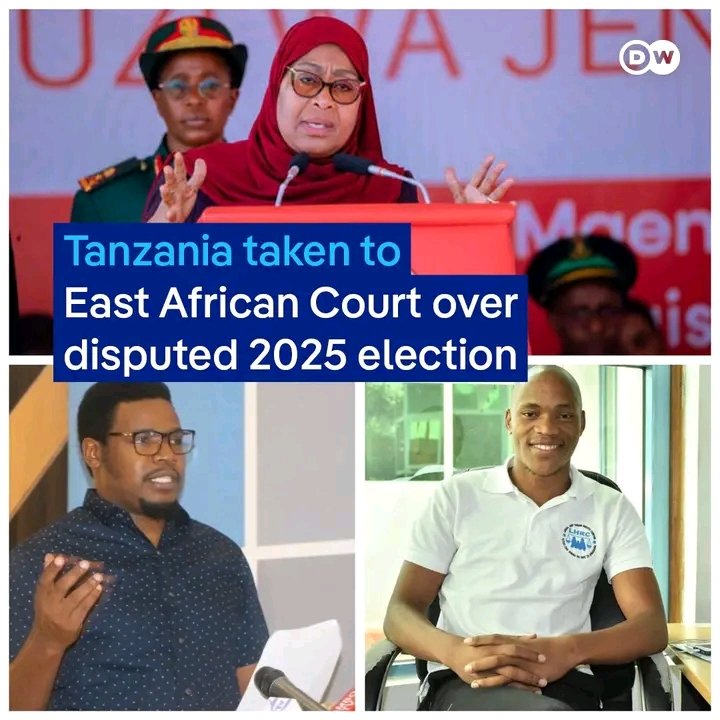
Protests have erupted in several cities, including the capital Dodoma, the economic hub Dar es Salaam, and the northern city of Mwanza, where gunfire was reported. Security forces have responded with tear gas and live ammunition in running battles with demonstrators who accuse the government of President Samia Suluhu Hassan of undermining democracy.
The unrest was triggered by an election that saw main opposition leader Tundu Lissu remain in jail and another key figure disqualified, clearing a path for Suluhu’s victory. The government has imposed a near-total communications blackout since election day, hindering the flow of information and documentation of alleged abuses.
Regional Diplomacy and International Isolation
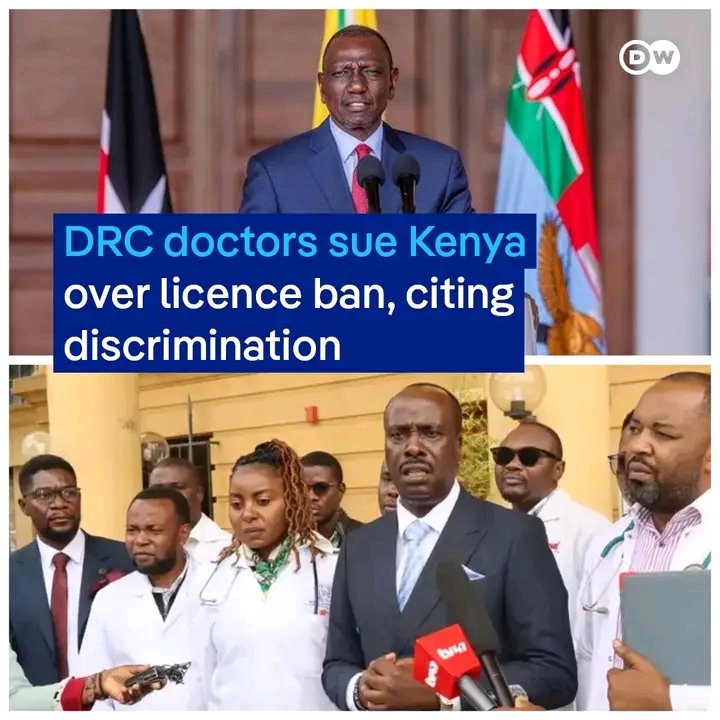
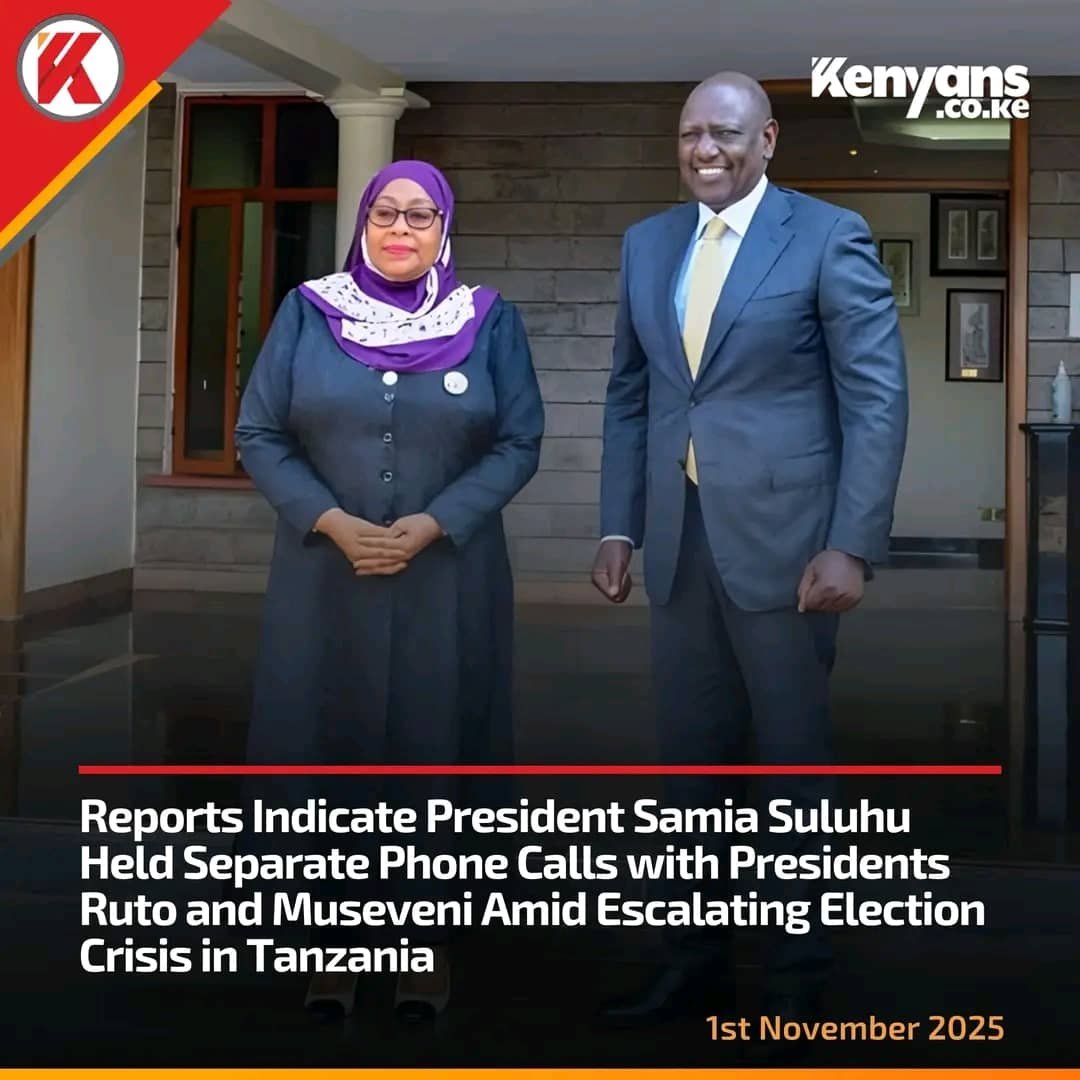
According to a report by African Intelligence, President Suluhu held separate phone calls with Kenyan President William Ruto and Ugandan President Yoweri Museveni on the evening of October 30. While the exact outcome of these calls remains unclear, analysts suggest Suluhu may be seeking support from fellow East African Community leaders as the domestic crisis threatens to destabilize the nation.
Simultaneously, reports indicate that the Tanzanian government has kept Western embassies in the dark regarding its next steps, signaling a potential pivot towards regional allies over traditional international partners.
Rising Death Toll and UN Alarm
The human cost of the crackdown is fiercely contested. While official reports acknowledge tens of deaths, opposition leaders claim close to 700 people have been killed. The violence has spilled across borders, with reports of Kenyans being shot near the Namanga border post.
The United Nations has expressed serious concern. “We are alarmed by the deaths and injuries that have occurred in the ongoing election-related protests in Tanzania,” said UN human rights spokesperson Seif Magango from Geneva. The UN office urged Tanzanian security forces to “refrain from unnecessary use of force, including lethal weapons,” after receiving reports of at least 10 people killed.
Media Suppression and Arrests
The communications blackout has been coupled with a clampdown on the press. Local and international journalists have reported intimidation, arbitrary arrests, and censorship. Among those detained is a Kenyan journalist, Shoka Juma of Nyota TV, who was arrested near the Lunga Lunga border point.
As the Suluhu administration mobilizes restoration efforts for the damaged road, it faces an even more daunting task: restoring public trust and navigating intense international scrutiny amid one of the country’s most severe political upheavals in recent years.
About The Author