

The Unfinished Reckoning: What the Epstein Files Reveal About Power and Impunity
NEW YORK — In what has been described as the most comprehensive disclosure to date, the U.S. Department of Justice has published millions of pages of investigative files related to the late financier and convicted sex offender Jeffrey Epstein. The release, mandated by the Epstein Files Transparency Act signed into law in late 2025, includes over 300 gigabytes of data, offering a sprawling, disturbing look into a world where vast wealth and elite connections allegedly shielded predatory crimes for decades.
The documents, released in stages concluding on January 30-31, 2026, represent the final major public accounting of federal investigations into Epstein’s sex-trafficking operation. They detail a narrative of systemic failure, from the earliest ignored reports in the 1990s to the controversial plea deal of 2008, ultimately leading to Epstein’s 2019 arrest and death by suicide. While no singular “client list” of co-conspirators has emerged, the files expose the breadth of Epstein’s social and professional network, reigniting debates about accountability among the powerful.
From Humble Beginnings to a World of Elite Access
Jeffrey Edward Epstein, born in 1953 in Brooklyn, New York, crafted an image of enigmatic financial genius. Without a college degree, he rose from a teaching job at Manhattan’s elite Dalton School to a partnership at Bear Stearns by 1980. By 1982, he founded J. Epstein & Co., reportedly managing assets exceeding $1 billion for ultra-wealthy clients.
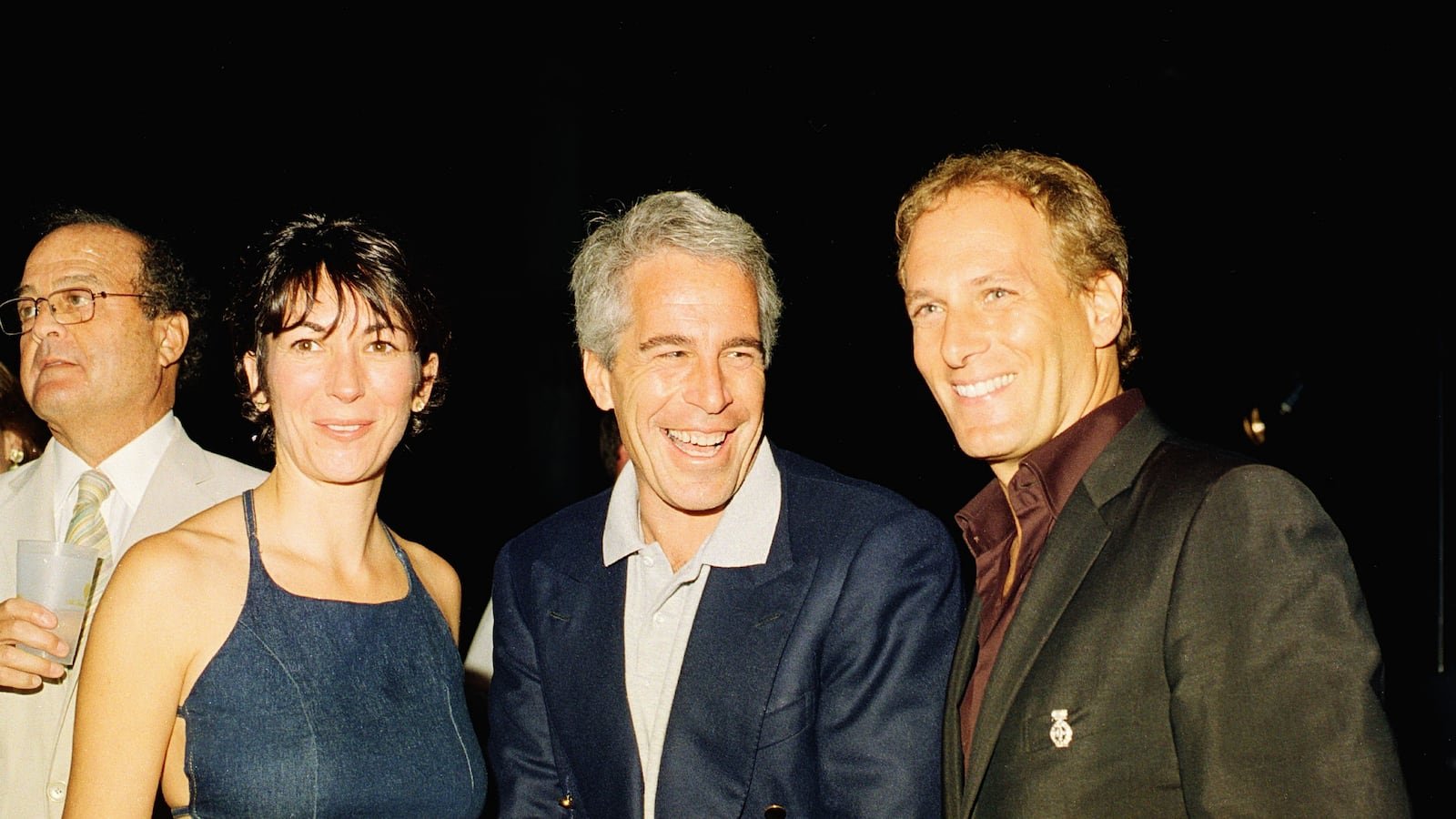
His wealth purchased the trappings of extreme privilege: a 21,000-square-foot Manhattan mansion, a Palm Beach estate, a New Mexico ranch, and a private Caribbean island. He traveled on a Boeing 727, infamously nicknamed the “Lolita Express.” His social circle, meticulously documented, included billionaires like retail magnate Les Wexner, politicians from both parties, royalty, and celebrities. In a 2002 interview, President Donald Trump described Epstein as a “terrific guy” who liked “beautiful women… many of them on the younger side.”
A Timeline of Institutional Failure
Behind this facade, a criminal enterprise was operating. The newly released files underscore how reports of abuse were repeatedly met with inaction or leniency.
· 1996: Artist Maria Farmer reported Epstein’s abuse to the FBI. An agent allegedly hung up on her, and no investigation was opened.
· 2005: Palm Beach police launched an investigation after a 14-year-old girl’s parents reported molestation. The probe uncovered dozens of victims, some as young as 14.
· 2006: Despite police recommending serious charges, a state grand jury indicted Epstein only on a single charge of solicitation of prostitution. A federal investigation, “Operation Leap Year,” began but would later be undercut.
· 2008: Epstein pleaded guilty to two state prostitution charges in a controversial non-prosecution agreement brokered by then-U.S. Attorney Alexander Acosta. He served just 13 months in a county jail under a work-release program that allowed him to leave for up to 12 hours a day, six days a week.
This “sweetheart deal” was widely criticized for shielding Epstein and unnamed co-conspirators from federal charges. It wasn’t until July 2019, following groundbreaking investigative journalism, that Epstein was arrested on federal sex-trafficking charges. He died by suicide in a Manhattan jail cell on August 10, 2019, ending the possibility of a public trial.
Inside the Files: Networks, Names, and Victim Testimonies
The cache of millions of documents, 2,000 videos, and 180,000 images does not contain a ledger of criminal clients, despite intense public speculation. Instead, it paints a detailed picture through flight logs, emails, police interviews, and internal agency memos.
Key revelations include:
· Communications with High-Profile Figures: Emails show exchanges with figures like Elon Musk discussing potential visits to Epstein’s island in 2012-2013. Thousands of messages reveal Steve Bannon strategizing with Epstein in 2018-19 on public relations. Bank records suggest payments to accounts linked to former UK Prime Minister Peter Mandelson.
· Associates in Focus: The files detail Epstein’s ties to Britain’s Prince Andrew, who was later stripped of his royal titles. They also mention contacts with figures like Bill Gates and former President Bill Clinton, though often in non-criminal contexts.
· The Victims’ Voices: Perhaps the most critical component is the extensive victim testimony. The files contain heartbreaking interviews with girls, some recruited under the guise of giving “massages,” who describe systematic abuse. To protect their privacy, many documents are heavily redacted.
The Political Path to Transparency
The release of these files was the culmination of a years-long political battle. During the 2024 presidential campaign, candidate Donald Trump promised to release all documents related to Epstein. Following his election, a Republican-led Congress passed the Epstein Files Transparency Act in November 2025, which President Trump signed into law.
The Act mandated the Department of Justice to disclose all unclassified records by December 19, 2025. The Biden administration had previously cited an ongoing investigation as a barrier to full release. The Trump DOJ formally closed the case in July 2025, clearing the way for the final document dump that captivated the public in early 2026.
The Ongoing Fallout: From Westminster to Wall Street
The unsealing has triggered immediate political and institutional consequences:
· In the United Kingdom, Prime Minister Keir Starmer faced severe backlash after appointing Peter Mandelson to a senior role despite the known Epstein connections detailed in the files. Mandelson was subsequently removed from his position.
· In the United States, some of President Trump’s supporters expressed outrage that the files did not produce a “smoking gun” list implicating political opponents, leading to calls for the resignation of Attorney General Pam Bondi.
· Financial institutions, notably JPMorgan Chase, continue to face scrutiny for maintaining Epstein as a client despite red flags about his behavior.
For the over 200 identified survivors, the release is a bittersweet validation of their long fight for acknowledgment. “The suspense is less about whether more victims will be heard,” noted one analysis, “and more about what being named will do to influential men.”
An Unresolved Legacy
As the story trends globally in early 2026, the Epstein files have done more than satiate public curiosity. They have provided undeniable evidence of how wealth and influence can distort justice, highlighting failures across law enforcement, the legal system, and financial compliance.
While Ghislaine Maxwell, Epstein’s longtime confidante, is serving a 20-year prison sentence, the documents underscore that the reckoning remains incomplete. They have amplified calls for systemic reform but have not yet led to new criminal charges against other associates.
The final word from the files may belong to the victims themselves, whose testimonies, now part of the permanent record, ensure that this dark chapter cannot be fully closed until their demands for full accountability are met. The scandal, as one victim’s attorney stated, continues to expose “how one man’s crimes intertwined with global elites,” leaving a lasting question about who else enabled a predator and what price they will ultimately pay.
About The Author