

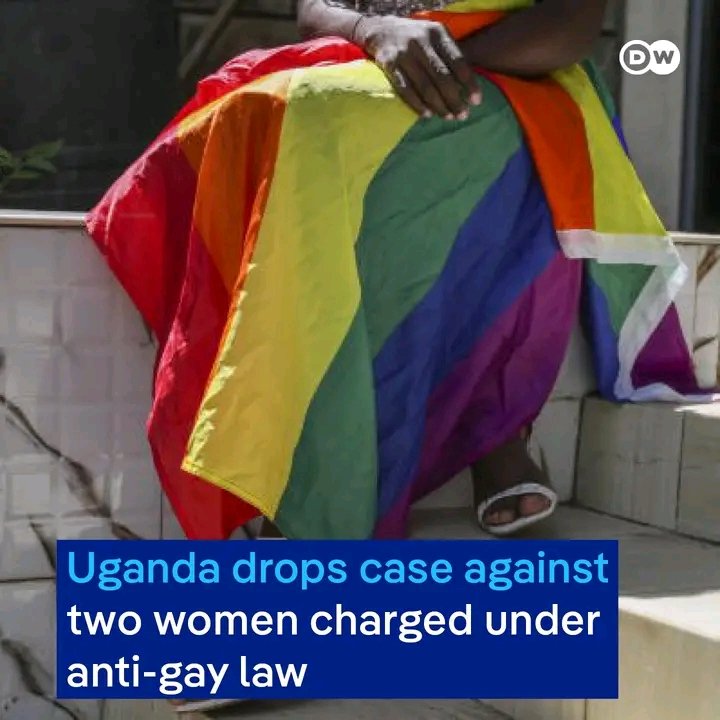
Ugandan Prosecutors Drop Kissing Case Against Two Women Arrested Under Anti-Homosexuality Law

KAMPALA, Uganda — Prosecutors in Uganda have formally dropped charges against two women in their 20s who were arrested in February for allegedly kissing in public in the northern town of Arua. The decision, confirmed this week, closes a case that had drawn international condemnation and highlighted the severe penalties under the country’s 2023 Anti-Homosexuality Act.
The women, whose identities have not been publicly released, were taken into custody after witnesses reported seeing them kiss in a local market area. Under the sweeping 2023 law, consensual same-sex relations carry penalties of up to life imprisonment, while “aggravated homosexuality”—a broadly defined category that includes same-sex acts involving a minor or where one party is HIV-positive—is punishable by death.
Human rights lawyer Frank Mugisha, who has been a leading voice against the legislation, told Agence France-Presse (AFP) that he welcomed the prosecution’s decision to withdraw the case. However, he stressed that the charges should never have been filed in the first place.
“Kissing is not a crime,” Mugisha said. “This case was an abuse of the law from the start, and it has caused immense fear and distress for these young women and their families.”
Rights groups have consistently condemned the Anti-Homosexuality Act, which was signed into law in May 2023, as one of the harshest anti-LGBTQ+ statutes in the world. Local activists and international observers have documented numerous instances where the law has been used not only for arrests but also for blackmail, extortion, and harassment of LGBT individuals. Police and prosecutors have often relied on broad interpretations of public decency and “promotion of homosexuality” clauses to detain suspects, even in cases involving no sexual conduct.
The Arua case became a flashpoint for critics, who argued that a simple act of affection between two adults was being prosecuted as a capital-level offense. While the dismissal spares the women from a protracted legal battle, activists warn that the underlying law remains in full force, leaving LGBT Ugandans vulnerable to arbitrary arrest and violence.
“The dropping of charges is a relief for these two individuals, but it does not change the reality for thousands of others,” Mugisha added. “Until the law is repealed or struck down, no one in the LGBTQ+ community is safe.”
The Ugandan government has defended the legislation as a matter of cultural and religious sovereignty, with President Yoweri Museveni stating that the law protects traditional family values. However, the Act has triggered sanctions threats from Western nations, including the United States and the European Union, and has been challenged in the country’s Constitutional Court, where proceedings remain ongoing.
For now, the two women in Arua are free, but their case serves as a stark reminder of the precarious position facing LGBT individuals in Uganda—where a kiss, a glance, or an accusation can still lead to a lifetime behind bars.
About The Author