

Headline: Beyond Compensation: Why Uganda’s PAPs Need Livelihoods, Not Just Payouts
In Uganda’s rapidly growing oil and mining sectors, compensation has often been treated as the finish line. But for many Project Affected Persons (PAPs), it is only the beginning of a new struggle—one marked by poverty, squandered funds, and broken livelihoods.
According to livelihood restoration specialist Kikomeko Muhammad, who has successfully handled a US Department of State (BPRM) Livelihood Restoration Program in Uganda, “The law was followed. Livelihoods were lost.” CEOs can point to bank slips and claim they compensated PAPs pursuant to the law, but compensation without restoration is failure.
The Real Purpose of Compensation
The objective, as clearly outlined by IFC Performance Standard 5 and Uganda’s own guidelines, is not merely to hand over cash and walk away. It is to restore—and preferably improve—livelihoods and living standards. Yet across the Albertine region, cash payouts without pre-compensation guidance have left PAPs worse off.
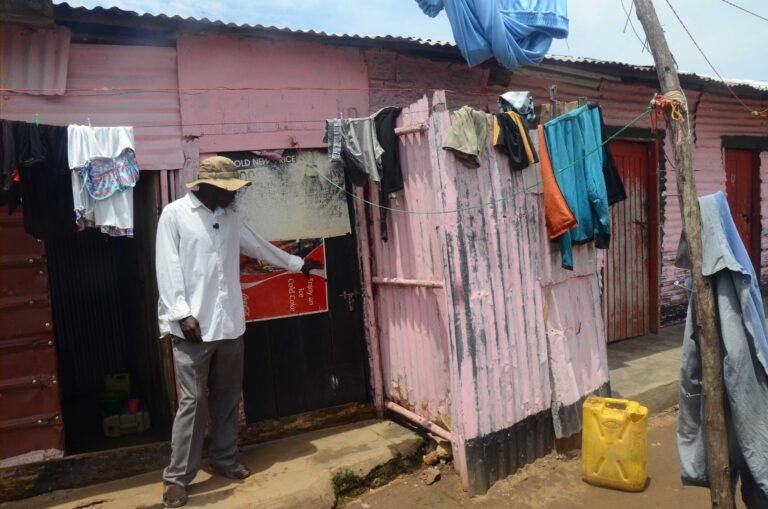
In Bulisa and Hoima, oil compensation funds were spent on alcohol, unplanned marriages, luxury goods, and extended family demands. Within months, the money was gone. Take 79-year-old Teddy Nakitun from Rwengo, an EACOP PAP. She received her compensation but without guidance on investment or income planning. The money was squandered. Her livelihood is now worse than before the project.
When In-Kind Housing Isn’t Enough
Total Energies tried an in-kind housing model in the Albertine region, building new houses for displaced families. But a house without income is a trap. Many PAPs had no gardens, no trade, and hence no cash flow in their new locations. Some even asked to return to their old gardens. Total eventually had to add cash for livelihood enterprises plus training on how to identify and run them. The lesson: shelter without income does not equal restoration.
The Pattern Is Clear
CEOs of Wagagai, Consolidated African Resources Limited, and Total Energies have all paid compensation. Yet a significant number of PAPs in these projects now live in greater poverty than before. That is a reputational, legal, and social risk for every extractive company operating in Uganda.
The Solution: Skill Before You Pay
Sustainable livelihoods come from the ability to successfully manage an enterprise, not from payouts alone. The fix is to shift from “compensate then disappear” to “skill, then compensate, then support.” Before a single shilling is disbursed, corporations must embed a mandatory Business Development Services (BDS) framework into their Resettlement Action Plans (RAPs).
PAPs must be actively upskilled in:
· Enterprise selection (market-driven ventures)
· Business formalization (registration and licenses)
· Financial literacy (bank management, savings, microcredit)
· Simple bookkeeping and records management
· Market access (supply chain integration, marketing)
· Dispute management (community mechanisms for business and family conflicts over money)
Success Story
In Ghana’s Obuasi mining region, a pre-compensation skilling program enabled PAPs to build sustainable livelihoods—proof that this model works.
A Call to Uganda’s Extractive Sector
CEOs that have skipped livelihood restoration must now study the PAPs who failed post-compensation. Use those lessons to redesign your RAPs. The alternative is clear: PAPs resorting to begging, mass litigation (class action suits), international NGO scrutiny, and public backlash against projects. None of that is good for business.
Compensation is a legal obligation. Livelihood restoration is a business and moral one. Uganda’s mining and oil boom will only succeed if the people who give up their land are truly better off. It’s beyond compensation. It’s about building better lives.
Kikomeko Muhammad is a Livelihood Restoration Specialist with experience in RAP design and implementation in East Africa’s extractive sector.
About The Author