
Emmanuel Kibirige: A Leading Voice in Uganda’s Artisanal Gold Mining Sector
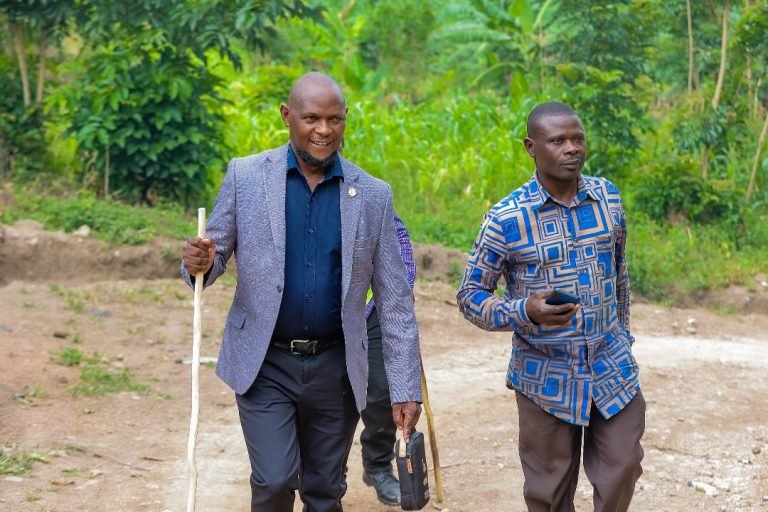
In Uganda’s gold mining industry, few names have become as closely associated with the struggle, resilience, and advancement of artisanal miners as Emmanuel Kibirige. Over the years, he has emerged as a respected leader, advocate, and representative of thousands of small-scale miners whose livelihoods depend on the country’s rich mineral resources.
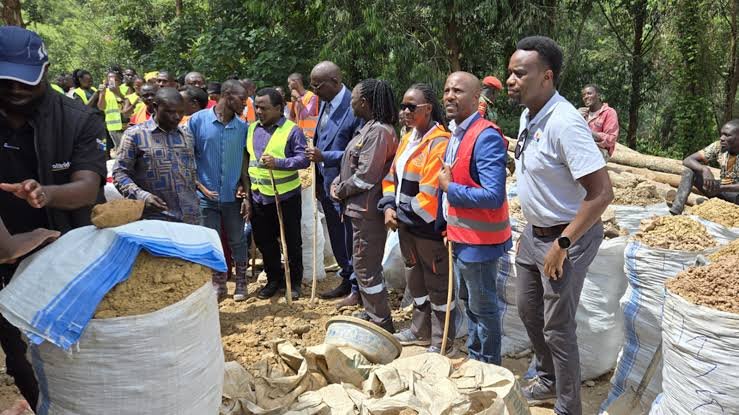
Kibirige rose to national prominence during the 2017 Mubende gold mine evictions, one of the most significant events in Uganda’s mining history. The evictions affected tens of thousands of artisanal miners operating in the gold-rich areas of Kitumbi, Bukuya, and surrounding communities in Mubende District, now part of Kassanda District. At the time, many miners faced uncertainty as government enforcement actions led to the closure of mining sites and the displacement of communities whose livelihoods depended on gold mining.
As General Secretary of the Ssingo Artisanal and Small-Scale Gold Miners Association, Kibirige became one of the leading voices advocating for the rights and welfare of affected miners. He consistently called for dialogue, legal recognition of artisanal miners, and policies that would balance investment interests with the protection of local communities and livelihoods.
During and after the evictions, Kibirige played a critical role in organizing miners and engaging government authorities, investors, and stakeholders. His efforts focused on ensuring that displaced miners were not left behind in Uganda’s evolving mining landscape. He championed the need for licensing, formalization, and structured mining operations that would allow artisanal miners to operate legally while contributing to national development.
Recognizing the need for a united voice, Kibirige was instrumental in the establishment and strengthening of the Mubende United Miners Assembly (MUMA), an umbrella organization that brought together numerous mining associations under one platform. Through MUMA, miners gained greater representation and were able to collectively engage with policymakers and regulators on issues affecting the sector.
His leadership contributed to successful negotiations that eventually enabled many artisanal miners to secure legal mining locations and resume operations under government-approved licensing frameworks. These developments marked a significant milestone in the journey toward formalizing Uganda’s artisanal and small-scale mining industry.
Beyond advocacy, Emmanuel Kibirige has remained committed to promoting responsible and sustainable mining practices. He has consistently encouraged miners to embrace environmental conservation, improve workplace safety, and adopt modern mining methods that reduce environmental degradation. His support for responsible gold production has aligned with broader efforts to improve the image and sustainability of Uganda’s mining sector.
At the national level, Kibirige has also been associated with initiatives aimed at strengthening the capacity of artisanal and small-scale miners across Uganda. His contributions have extended beyond Mubende and Kassanda, helping to shape conversations around mining policy, community development, and the economic empowerment of local miners.
Today, Emmanuel Kibirige is widely recognized as one of Uganda’s influential artisanal mining leaders. His journey reflects the challenges and opportunities that have shaped Uganda’s gold sector over the past decade. Through persistence, leadership, and advocacy, he has helped transform the voices of artisanal miners from the margins into an important part of the national conversation on mineral development.
As Uganda continues to expand its mining industry, Emmanuel Kibirige’s legacy remains rooted in his unwavering commitment to ensuring that artisanal miners have a place, a voice, and a future within the country’s mineral wealth journey.
About The Author