
Ugandan MPs Probe Digital Lenders Over Unauthorised Deductions and High Charges
Parliament’s COSASE Committee Summons Mobile Money Operators as Concerns Mount Over Digital Credit Practices
Parliament’s Committee on Commissions, Statutory Authorities and State Enterprises (COSASE) has raised serious concerns about the cost of digital credit in Uganda after mobile money operators acknowledged that some online loan products carry charges of up to 14 percent, depending on the product and the borrower’s assessed risk.
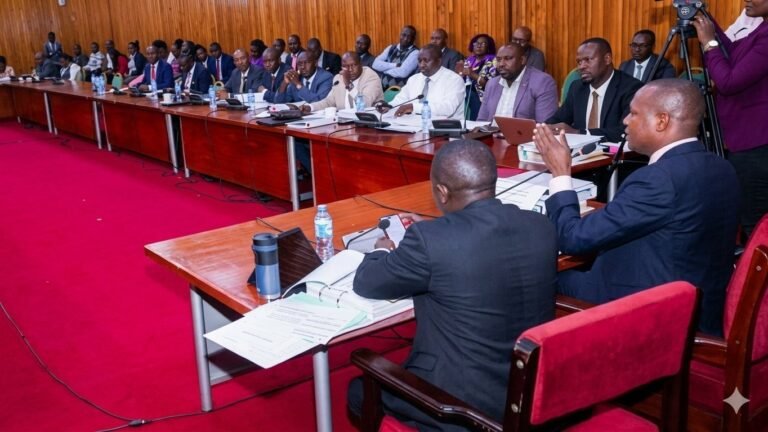
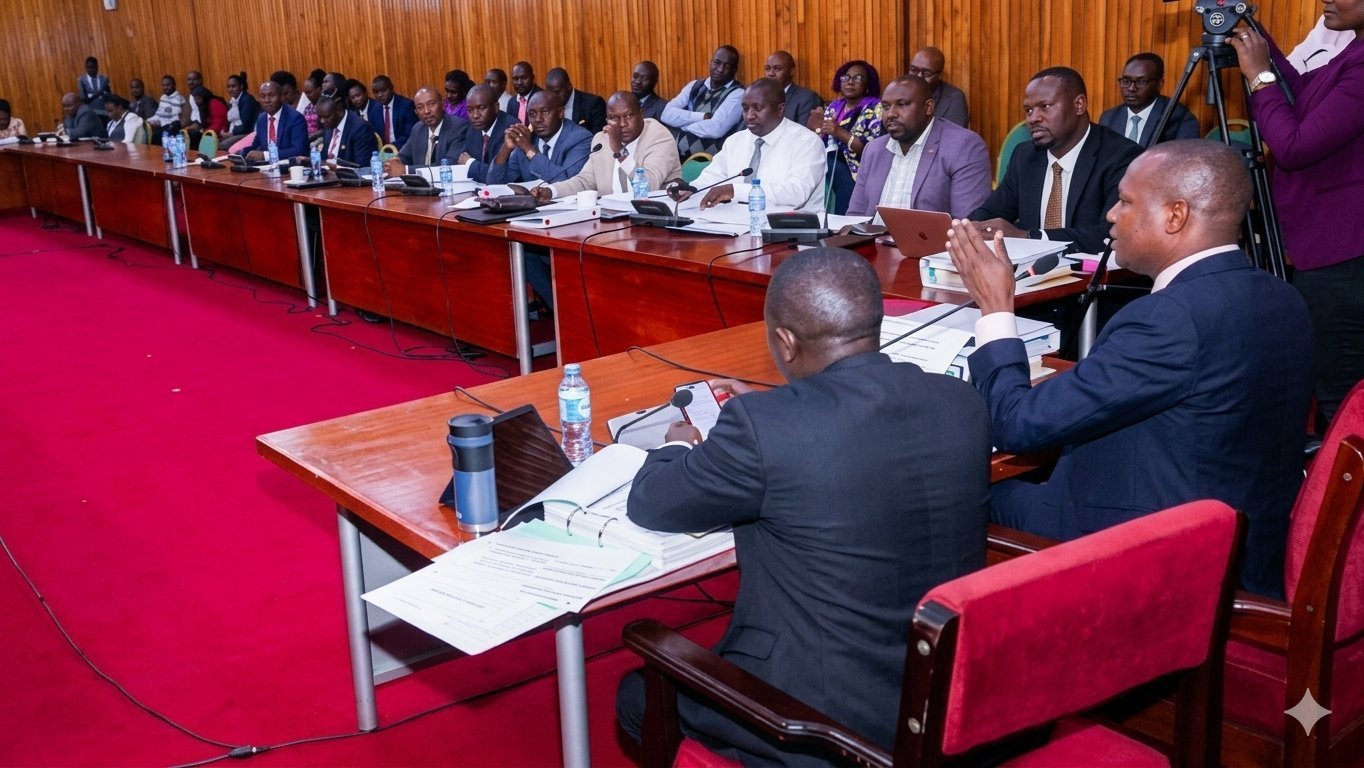
The issues emerged during a committee session with online lending institutions, commercial banks, and mobile money operators examining the rapid expansion of digital credit services. COSASE invited 58 registered online lenders listed on the Bank of Uganda database, but more than 25 failed to appear.
Dual Concerns: Cost and Recovery Methods
Lawmakers focused on two interconnected problems: the total cost of short-term digital loans and the aggressive methods used to recover them. Committee members questioned the practice of lenders accessing contacts stored on borrowers’ phones and allegedly using those contacts to exert pressure when repayments lag.
They also heard reports that some mobile money users had funds deducted from their accounts without authorisation in connection with loans taken by other people.
Telecom Operators Summoned
Because most digital loans are disbursed and recovered through mobile money platforms, the committee summoned Airtel Money and MTN Uganda. Airtel Money was represented by Managing Director Jasphat Aritho, while MTN Uganda was represented by General Manager for Corporate Affairs Dennis Kakonge.
MPs pressed the operators on whether borrowers receive clear information about total charges and loan duration before accepting products. Buzaaya County MP Martin Kasule Muzaale said the companies’ written submissions did not fully disclose applicable percentages for certain products.
He cited MTN’s MoMo Advance, alleging an overdraft could attract a 2.75 percent fee plus a daily charge of 0.95 percent, and asked whether the facility’s duration is clearly stated at the point of borrowing.
Operators Defend Pricing Structure
Aritho told the committee that Airtel Money’s overdraft facility, known as the Checkout Loan, carries a 2 percent processing fee and a 1 percent daily charge for up to seven days. Airtel’s term loans, running for 14 days or one month, generally attract charges of between 9 and 14 percent according to the lender’s risk assessment.
He explained that risk-based pricing means borrowers judged higher-risk pay more, and that elevated charges partly reflect losses from non-performing loans, which he put at approximately 5 to 7 percent of the digital portfolio and described as a significant provisioning cost.
Committee Demands Transparency
Committee Chairperson Muwanda Nkunyingi said the explanations still left questions about the final cost of borrowing unanswered. He directed both Airtel and MTN to submit detailed, updated schedules listing processing fees, interest charges, and all other costs for each digital loan product.
Members also expressed concern that people who have never borrowed could be drawn into recovery efforts simply because their numbers appear in a borrower’s contact list, effectively transferring the burden of debt to unrelated individuals.
Calls for Regulatory Intervention
Budadiri East MP Julius Nakiyi argued that loan pricing should not be left solely to negotiations between lenders and customers. He pointed to Legal Notice No. 21 of 2024 issued by the Ministry of Finance, which he said sets a limit of 2.8 percent per month for loans offered by microfinance institutions, and called on regulators to ensure digital platforms incorporate applicable legal limits into their systems.
COSASE said it would continue engagement with the Bank of Uganda, the primary regulator of the financial institutions involved, to clarify how digital loan products are approved and supervised. The committee also questioned whether agreements between telecom companies, banks, and other financial institutions receive adequate regulatory scrutiny before new credit products are launched.
Balancing Access and Consumer Protection
The hearing underscores the tension between the rapid growth of mobile-money-enabled credit, which has expanded access to short-term finance for many Ugandans, and persistent questions about transparency, consumer protection, and the social costs of recovery practices.
As digital lending becomes more embedded in everyday financial life across the region, the outcome of COSASE’s inquiries and any subsequent regulatory action by the Bank of Uganda will help determine whether the market develops with clearer pricing, stronger safeguards, and reduced risk of harm to borrowers and third parties alike.
About The Author