
Uganda and U.S. in Diplomatic Spat After General’s Accusations and Retraction
KAMPALA, Uganda – A rapid-fire diplomatic crisis between Uganda and the United States, sparked by social media posts from Uganda’s top military commander, appears to have de-escalated following a public apology, though underlying tensions over sovereignty and foreign influence remain exposed.
The incident began when General Muhoozi Kainerugaba, Uganda’s Chief of Defence Forces and son of President Yoweri Museveni, took to X (formerly Twitter) to make serious allegations against the U.S. diplomatic mission in Kampala.
In a now-deleted post, Gen. Kainerugaba claimed that opposition leader Bobi Wine had “kidnapped himself” and was missing, and that Uganda’s “best intelligence” indicated the action was done “in co-ordination with the current administration at the US Embassy.” He consequently declared that the Uganda People’s Defence Forces (UPDF) was suspending “ALL cooperation” with the current U.S. Embassy administration, including joint military work in Somalia.
U.S. Issues Sharp Warning
The response from the United States was swift and severe. The U.S. Senate Foreign Relations Committee, chaired by Senator Jim Risch, posted that Gen. Kainerugaba had “crossed a red line” and that the U.S. “must reevaluate its security partnership, which includes sanctions, and military cooperation with Uganda.”
The committee’s statement dismissed the prospect of a simple retraction, stating the president’s son and likely successor “cannot just delete tweets and issue hollow apologies.” It warned that the U.S. would not tolerate instability that risks American personnel and interests in the region.
General Retracts, Apologizes
Facing significant international backlash, Gen. Kainerugaba deleted his accusatory tweets within hours. He then posted an apology: “I want to apologise to our great friends the United States for my earlier tweets that I have now deleted. I was being fed with wrong information. I have spoken with the US Ambassador to our country and everything is okay. We are going to continue our military cooperation as usual.”
Ugandan newspaper Daily Monitor confirmed the General had clarified his actions, stating he had been misinformed and that cooperation would resume normally following a conversation with the U.S. Ambassador.
Uganda Asserts Sovereignty Amid Fallout
Parallel to the General’s retraction, Ugandan officials launched a robust defense of the nation’s sovereignty, directly addressing the U.S. Senate committee’s threats.
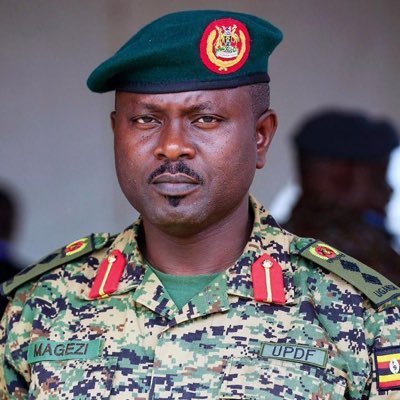
Colonel Chris Magezi, the UPDF Spokesperson, issued a statement specifically naming Senator Jim Risch. He described threats from a foreign power as “an outdated colonial tactic that will be vigorously resisted especially coming from a so-called senator.”
Magezi emphasized Uganda’s democratic credentials, referencing President Museveni’s recent re-election with 72% of the vote, and stated that the “UPDF pays allegiance to the President of the Republic of Uganda and the sovereign decisions made by the people.” He asserted that the long-standing beneficial relationship between the two countries “will not change because of one wayward and loose cannon senator called Risch.”
Underlying Tensions Surface
While the immediate crisis has been contained, the episode highlights several persistent friction points in U.S.-Uganda relations:
· Governance and Opposition: The allegations involve Bobi Wine, a prominent opposition figure long critical of the Museveni government, whose treatment has been a point of contention with Western nations.
· Security Partnership: The U.S. and Uganda have extensive security cooperation, particularly in counter-terrorism efforts in Somalia under the African Union mission. This partnership is strategically important but often strained by governance disagreements.
· Political Succession: Gen. Kainerugaba’s prominent military role and familial ties place him at the center of Uganda’s political future, making his public statements a matter of significant domestic and international interest.
Conclusion
For now, the diplomatic rupture has been swiftly mended. Military cooperation is set to continue, and high-level communication channels are confirmed open. However, the brief but intense exchange underscores the volatile nature of international relations in the social media age and the deep-seated sensitivities surrounding sovereignty and foreign interference in Uganda’s political landscape.
About The Author