

Uganda Ends Paid Medical Internships Amid Budget Constraints and Growing Protests
KAMPALA, Uganda – The Ugandan government has announced it will scrap monthly allowances for medical interns, integrating the mandatory one-year practical training into university degree programs as unpaid apprenticeships. The decision, driven by a sharp rise in health worker graduates and limited budgetary resources, has ignited strong backlash from doctors, medical associations, and interns, who warn of exploitation, brain drain, and risks to patient safety.
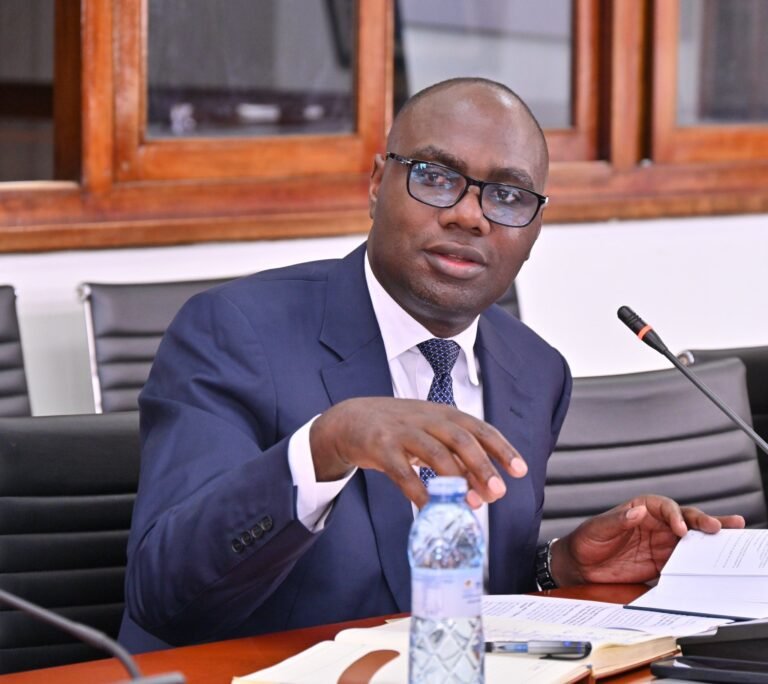
Health Minister-designate Dr. Chris Baryomunsi defended the policy, stating that the surge in graduates—from around 965 interns in 2016 to between 1,900 and 2,500 currently—has overwhelmed the system. The Ministry of Health was allocated approximately Shs35 billion (about $9.7 million) this financial year, enough to support only about 1,500 interns. The move aims to ensure all qualified doctors can complete their required internship without discrimination, though current interns will see reduced payments of roughly $270 (Shs1 million) per month.
“The growing number of graduates has made the arrangement financially unsustainable,” Baryomunsi explained, emphasizing the need to prioritize broader civil service needs amid fiscal pressures.
Critics Highlight Exploitation and Systemic Risks
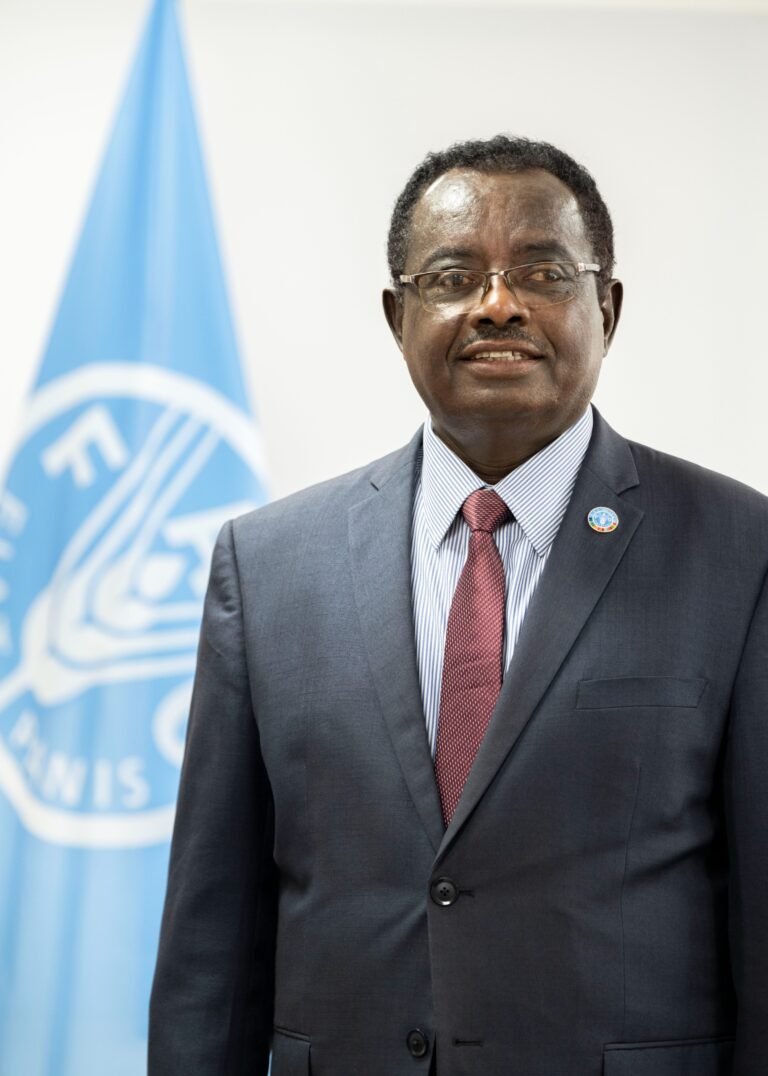
The policy has drawn sharp criticism from the Uganda Medical Association (UMA). President Dr. Frank Asiimwe described the changes as exploitation of young professionals who already shoulder heavy workloads in under-resourced facilities.
Uganda faces a severe doctor shortage, with roughly one doctor per 25,000 people—far below the World Health Organization’s recommended ratio of 1:1,000. Interns often form the backbone of hospital operations, managing emergencies, surgeries, maternity wards, and night shifts, especially in rural areas. Opponents argue that removing allowances will lead to fatigue, medical errors, and accelerated brain drain as qualified professionals seek better opportunities abroad.
Street protests and threats of strikes have already emerged, with interns and supporters taking to the streets in recent days. Many view the decision as a reflection of misplaced priorities, pointing to government spending on an expanded cabinet and other administrative costs while cutting support for essential health training.
Broader Context of Health Workforce Challenges
The controversy is not new. Medical interns have previously protested delayed or reduced payments, with allowances cut in prior years due to funding shortfalls. The government has long struggled to balance training more health professionals with absorbing them into the public sector, where over 100,000 health positions reportedly remain vacant despite the need.
Proponents of the change argue that folding internship into degrees could streamline training and reduce costs long-term. However, critics, including the Federation of Uganda Medical Interns, stress that without proper support, the policy could deter students from medicine and worsen the country’s health outcomes.
As the story develops, parliament and health stakeholders are expected to engage further. The Uganda Medical Association and interns’ groups continue to call for dialogue and sustainable funding solutions to protect both the next generation of doctors and the patients they serve.
About The Author