
Head of U.S. Vaccine Panel Says Polio, Measles Shots Should Be Optional, Rejecting Decades of Public Health Policy
In a stark departure from established science, the chair of the influential federal committee that sets U.S. vaccination guidelines has declared that immunizations against diseases like polio and measles should be voluntary, prioritizing personal choice over collective public health.
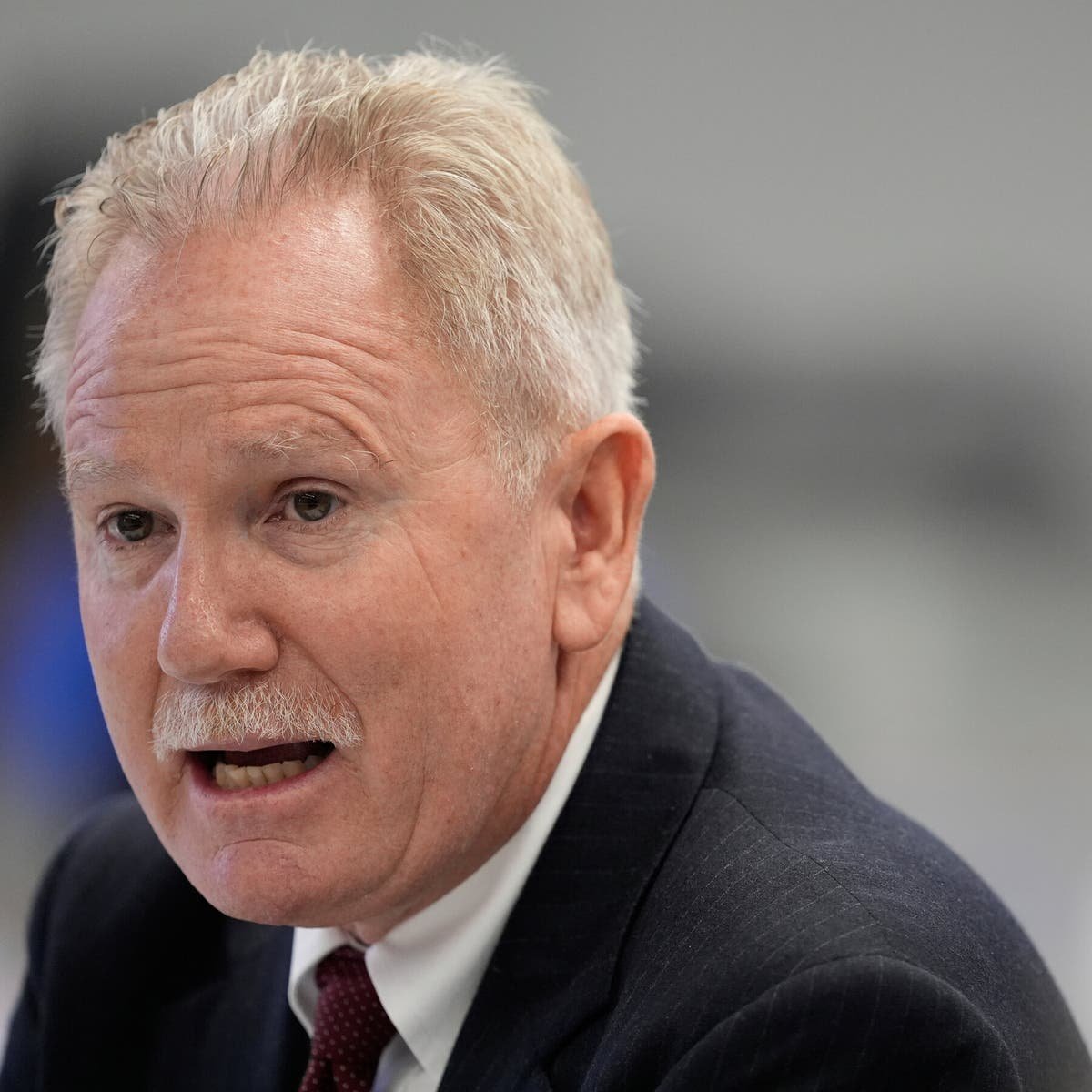
Dr. Kirk Milhoan, a pediatric cardiologist leading the Advisory Committee on Immunization Practices (ACIP), articulated the philosophy shaping vaccine recommendations under the Trump administration. He argued that a person’s right to refuse a vaccine outweighs the risks of illness, disability, or death from infectious diseases.
“If there is no choice, then informed consent is an illusion,” Dr. Milhoan stated. “Without consent it is medical battery.”
While acknowledging he had “concerns” that some children might die from measles or become paralyzed by polio as a result of opting out, he drew a parallel to other health choices. “I also am saddened when people die of alcoholic diseases,” he said. “Freedom of choice and bad health outcomes.”
His position dismisses the fundamental public health principle that widespread vaccination creates “herd immunity,” protecting those who are too young to be vaccinated or are immunocompromised. A decision by one individual to forgo vaccination can pose a risk to others in the community.
The polio and measles vaccines are considered monumental achievements in medicine, having prevented millions of deaths and disabilities globally. The campaign to eradicate polio, in particular, has historically enjoyed strong bipartisan support. President Trump and some Republican lawmakers have publicly praised the polio vaccine, often recalling the fear of the pre-vaccine era.
Dr. Milhoan, however, contends that making childhood vaccines optional for school entry—a near-universal requirement across states—would ultimately “restore trust in public health.”
The remarks offer a clear window into the direction of the ACIP, which guides vaccination schedules for children, adolescents, and adults. This shift toward framing immunization as a matter of personal autonomy, rather than a public health necessity, represents a significant upheaval in U.S. health policy, potentially weakening the nation’s defense against preventable disease outbreaks.
About The Author