
Uganda’s Army Chief Admits to Killing 30 Opposition Supporters, Sparks International Outcry
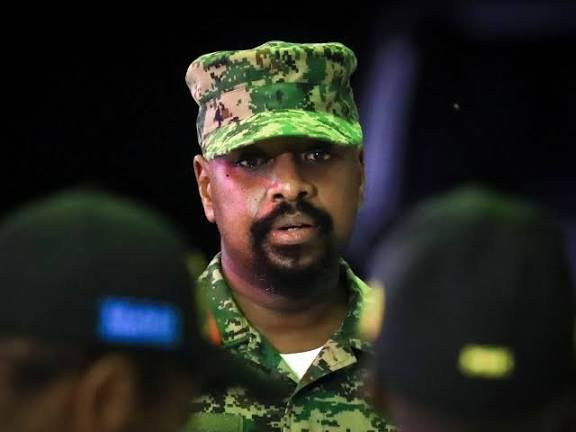
January 24, 2026 – Uganda’s military chief, General Muhoozi Kainerugaba, has publicly stated that security forces have killed 30 opposition supporters and detained 2,000 others following the disputed January 15 presidential election, as international pressure mounts on the government of President Yoweri Museveni.
The statements, made by the president’s son and a senior military commander, have triggered urgent warnings from human rights organizations and the opposition, who view them as a direct threat to the safety of opposition leader Bobi Wine.
Direct Threats to Opposition Leader
The post-election period has been dominated by direct threats from General Kainerugaba against Bobi Wine, who has rejected the election results and is currently in hiding.
· Explicit Social Media Threats: In posts on social media platform X, Kainerugaba wrote, “I’m praying the 23rd is Kabobi,” using his nickname for the opposition leader. In another post, he stated, “So far we have killed 30 NUP terrorists… Most NUP terrorist leaders are in hiding. We shall get them all”.
· International Legal Warning: Bobi Wine’s international legal counsel, Amsterdam & Partners LLP, issued a press release calling the threats a “grave and credible threat to Mr. Wine’s life and physical safety.” The firm argued that due to Kainerugaba’s command authority, his statements carry “the weight of state power” and create an immediate operational risk.
· Opposition Leader’s Situation: Bobi Wine has stated that a military raid forced him to flee his home and that his family is under house arrest. He told DW, “I have no option but to disappear,” citing fears for his safety and a lack of faith in Uganda’s judiciary.
Broader Crackdown on Dissent
These threats come amidst a documented, widespread crackdown on political opposition and civic space both before and after the election.
· Pre-Election Repression: Human Rights Watch reported that security forces beat and arrested hundreds at opposition rallies and fired teargas indiscriminately in the weeks before the vote. The International Federation for Human Rights (FIDH) documented that over 400 supporters of Bobi Wine’s National Unity Platform (NUP) had been arrested on politically motivated charges in recent months.
· Internet Shutdown: Two days before the election, the government ordered a nationwide internet shutdown, severely restricting access to information and communication platforms. Human Rights Watch called the shutdown a rights violation that undermines election integrity.
· Targeting of Civil Society: In the lead-up to the polls, the government ordered at least 10 non-governmental organizations to cease operations and arrested prominent human rights activist Sarah Bireete.
International Response
The escalating situation has drawn sharp criticism from international bodies.
· The United Nations human rights office (OHCHR) had warned ahead of the elections that they would take place in an environment of “widespread repression, intimidation and shrinking civic space”.
· The office documented practices like the abduction of opposition supporters in unmarked vans and their detention in unofficial sites.
· UN Secretary-General António Guterres expressed concern over the arrests and violence, urging restraint and respect for the rule of law.
A History of Repression
Analysts and rights groups describe the current crisis as part of a decades-long pattern under President Museveni’s nearly 40-year rule, marked by institutional control, corruption, and human rights abuses.
· The president’s family holds key positions, with his son as army chief and his wife as minister of education.
· Amnesty International’s 2024 report documented arbitrary arrests of government critics, excessive use of force, and laws that discriminate against LGBTQ people.
With the army chief’s public admissions of violence and targeted threats against the main opposition leader, Uganda faces a critical test of its adherence to human rights and democratic norms, with the international community calling for immediate accountability and restraint.
About The Author