
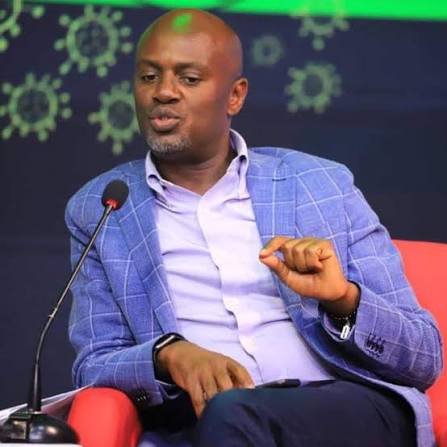
Andrew mwenda Clash with U.S. Senate Over Sanctions Threat Against Military Chief
A public diplomatic rift has emerged between Ugandan officials and the United States Senate Foreign Relations Committee, centering on threats of sanctions against Uganda’s Chief of Defence Forces, General Muhoozi Kainerugaba.
The dispute originated from a now-deleted tweet by Gen. Muhoozi, who alleged U.S. embassy involvement in aiding opposition figure Bobi Wine. After retracting the statement and apologizing following discussions with the U.S. Ambassador, the matter seemed resolved diplomatically.
However, the situation escalated when the official account of the Chairman of the U.S. Senate Foreign Relations Committee issued a fresh tweet threatening sanctions against the General. This move has drawn sharp criticism from Ugandan commentators.
In a public reply, Adonia Ayebare, a figure engaged on the issue, stated that the matter had been “well handled” with the U.S. State Department and that engagement with the Senate side would continue respectfully. He downplayed the tweet’s impact, calling it “canon fodder for enemies,” and emphasized the strength of Uganda-U.S. relations, noting upcoming commercial partnerships.
A more forceful response came from commentator Andrew Mwenda, who directly addressed the Senate committee. Mwenda labeled the constant threats “increasingly nauseating,” arguing they reflect a colonial-era mindset. He defended Gen. Muhoozi’s initial error as corrected and apologized for, making further threats unjust.
In a pointed historical critique, Mwenda stated, “The CDF doesn’t mind USA sanctions,” listing past U.S. actions against African leaders like Nelson Mandela and Kwame Nkrumah. He urged the U.S. to focus on its own internal divisions, saying, “Your country is on the verge of civil war. Can you please focus your attention on its internal problems and leave Uganda alone?”
The core of the Ugandan argument, as presented, is a firm rejection of perceived foreign interference. Mwenda asserted that “Uganda’s internal politics need to be left to Ugandans,” warning that external involvement turns the country into “a playground for foreign interests.”
The public exchange highlights ongoing tensions in Uganda-U.S. relations, balancing security cooperation and commercial interests against deep-seated disagreements on governance and sovereignty. The incident underscores how social media statements by high-level officials can rapidly escalate into international diplomatic confrontations.
About The Author