


Kampala Clears Streets for Modern Bus System: Minister Issues Ultimatum to Vendors and Informal Transporters
Kampala, Uganda – The Minister for Kampala Capital City and Metropolitan Affairs, Hajjat Minsa Kabanda, has issued a stringent two-week ultimatum to all street vendors, taxi drivers, and boda boda riders operating without designated stages to vacate the city streets.
The directive, announced today, warns that failure to comply will result in arrests and prosecution. This move signals a major crackdown on the informal sectors that have long characterized Kampala’s bustling urban landscape.
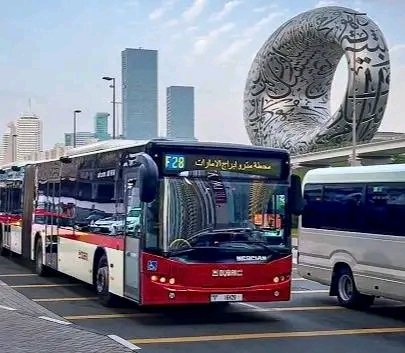
The minister’s warning follows closely on the heels of a high-profile retreat in Dubai. Over 1,000 leaders from the Uganda Boda-Boda Riders Cooperative Union, taxi driver associations, and key transport sector partners undertook a two-day study tour to observe the management of urban transport systems in the United Arab Emirates.
Sources within the transport sector reveal that the retreat culminated in a significant deal with bus companies in Dubai and the wider UAE. The agreement paves the way for the importation of a fleet of modern commuter buses intended to replace the ubiquitous small taxis (commonly known as “taxis”) as a primary means of public transport in Uganda, with the rollout slated to begin this year.
According to insiders, the impending clearance of street vendors and the reorganization of taxi and boda boda stages are directly linked to this new initiative. The objective is to free up congested roadways and create dedicated space for the new bus system to operate efficiently, aiming to “ease transport for all Ugandans.”
This development suggests a transformative shift in Kampala’s transport planning, moving towards a more formalized, mass-transit model. However, it raises immediate concerns about the livelihoods of thousands of street vendors and informal transport operators who currently depend on the city’s streets for their income.
The two-week window sets the stage for a significant upheaval in the city’s daily rhythm. While the government envisions a modernized, orderly transport future, the success of this ambitious plan will likely depend on its implementation and the provision of viable alternatives for those displaced by the new order.
Past attempts to regulate street vending and boda boda operations in Kampala have often been met with resistance and limited long-term success. The connection to a tangible new bus system, however, indicates a more coordinated push for systemic change.
About The Author