
South African Court Clears Way for Sale of Nelson Mandela’s Personal Items, Dismisses Heritage Appeal
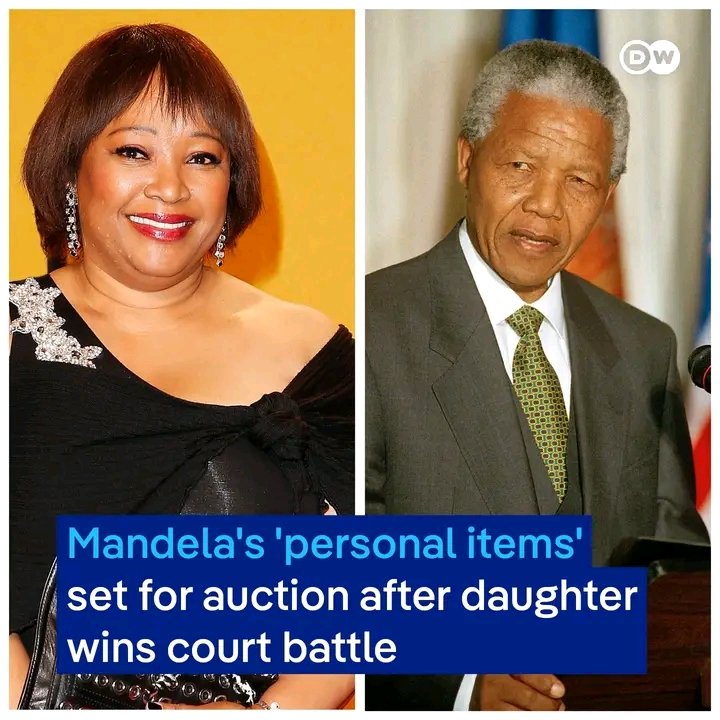
A South African court has ruled against a bid by the country’s heritage authority to halt the sale and export of 70 personal items belonging to the late anti-apartheid icon Nelson Mandela. The collection, which includes historically significant artifacts, is now set to proceed to auction in the United States.
The items, owned by Mandela’s eldest daughter, Dr. Makaziwe Mandela, and his former Robben Island prison warder, Christo Brand, feature some of the leader’s most intimate possessions. Among them are the original key to his prison cell on Robben Island, where he spent 18 of his 27 years in captivity, as well as personal clothing, his iconic “Madiba” shirts, sunglasses, signed documents, and gifts received from world leaders.
The South African Heritage Resources Agency (SAHRA) had appealed to block the sale, arguing the items were part of the national estate and should remain in the country. However, the High Court in Pretoria dismissed the application, finding that SAHRA had applied the National Heritage Resources Act too broadly. The court determined that the law, as written, did not grant the authority the power to prevent the export of these privately-owned personal effects.
Dr. Makaziwe Mandela welcomed the ruling, stating it affirmed the family’s right to manage her father’s legacy. “We, as his family, are the ones who best understand his wishes and how to honour his legacy,” she said. Co-owner Christo Brand, who developed a close bond with Mandela during and after his imprisonment, also supported the sale.
The planned auction has ignited a passionate debate within South Africa and among historians worldwide. Critics argue that objects of such profound national significance, particularly the Robben Island cell key, are irreplaceable fragments of the country’s journey to democracy and belong in South African public institutions.
Proponents of the sale, including the owners, contend that the items will be preserved and accessible in a museum context, even if abroad, and that the proceeds will support the Mandela family. The court’s decision underscores the complex tension between national heritage claims and private ownership rights.
With the legal barrier removed, the auction of the “Man in the Cave: Nelson Mandela” collection is expected to take place in New York later this year, drawing significant international attention from collectors and institutions.
About The Author