
U.N. Says It’s in Danger of Financial Collapse Because of Unpaid Dues.
The world body warned it would run out of money by July and have to close its New York headquarters if countries, namely the United States, did not pay annual dues that amount to billions of dollars.
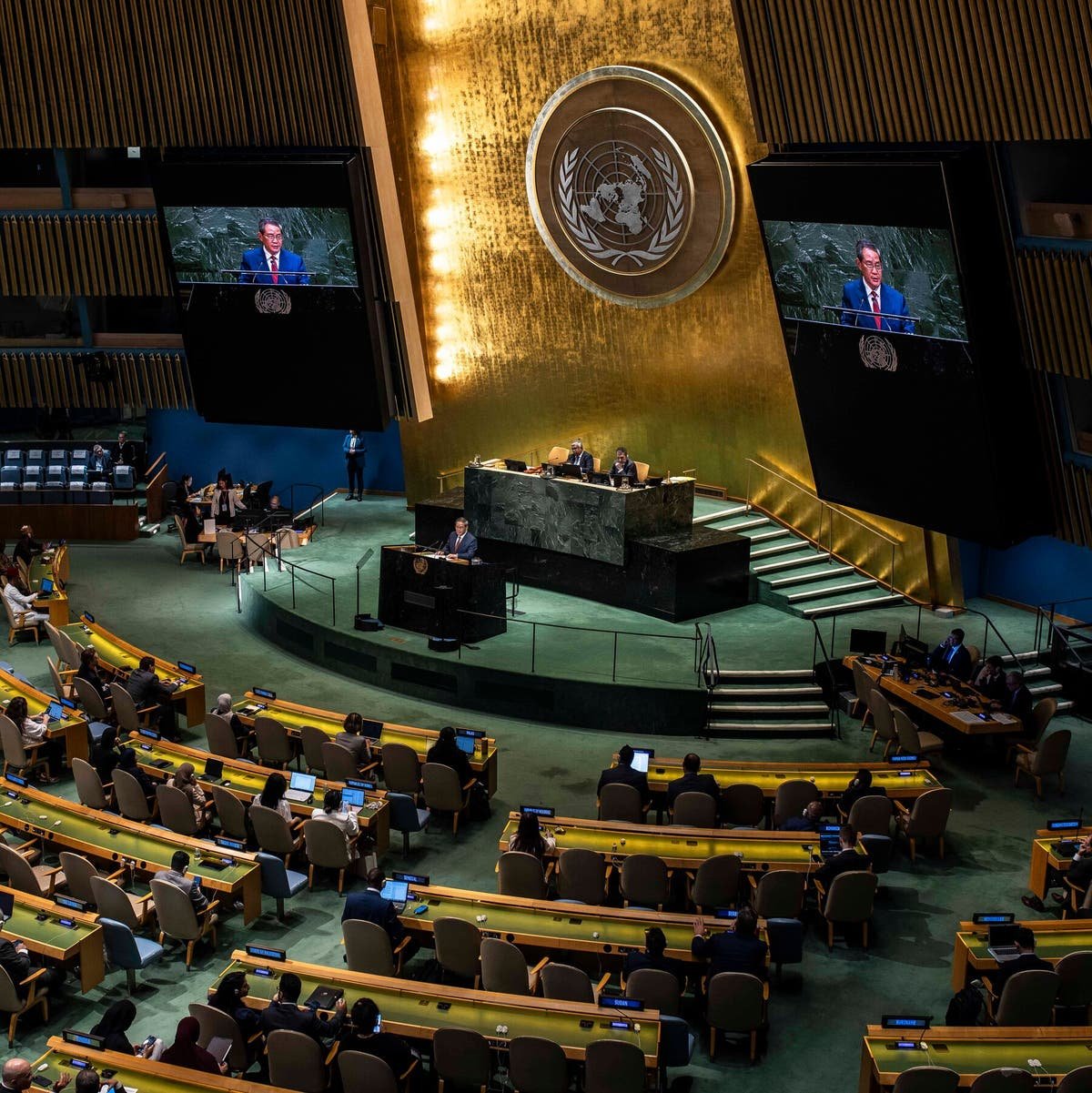
The United Nations is facing an “imminent financial collapse” and could exhaust its cash reserves by July unless member states immediately pay billions in overdue dues, Secretary-General António Guterres warned in a dire letter to all member nations. The crisis, driven largely by a massive shortfall in payments from the United States, threatens to shutter the organization’s headquarters, suspend the Security Council, and cripple global humanitarian and peacekeeping operations.
In his letter dated January 28, Guterres stated the U.N. ended 2025 with a record $1.568 billion in unpaid mandatory contributions for its regular budget—more than double the amount from the previous year. He presented member states with a stark ultimatum: “Either all member states honour their obligations to pay in full and on time – or member states must fundamentally overhaul our financial rules to prevent an imminent financial collapse”.
A Deepening Cash Crisis
The financial emergency has been accelerated by the deliberate withholding of funds by the United States, the organization’s largest contributor. Under the administration of President Donald Trump, the U.S. has refused to pay its assessed contributions to the regular budget and has drastically reduced funding for peacekeeping.
· U.S. Arrears: The United States currently owes approximately $2.196 billion** to the regular budget and an additional **$1.8 billion for peacekeeping operations. In 2025, the Trump administration paid nothing toward its regular budget and only 30% of its expected peacekeeping share.
· Broader Withdrawals: This funding halt is part of a broader policy. In January 2026, the U.S. formally withdrew from the World Health Organization and began exiting dozens of other international bodies, including 31 U.N. agencies, which it criticized as a “waste of taxpayer dollars”.
· Global Ripple Effect: The U.S. stance has emboldened other nations to delay payments, destabilizing the U.N.’s cash flow. China, now responsible for about 20% of the regular budget, often pays at year’s end, while Russia has piled up arrears related to peacekeeping.
Guterres highlighted a “Kafkaesque” rule exacerbating the crisis: the U.N. is legally required to return unspent money to member states at the end of the year, even if those states never paid their dues in the first place. In January 2026 alone, the organization was forced to credit $227 million back to countries—money it never actually collected.
Consequences of a Shutdown
If cash runs out by July as projected, the operational impacts would be immediate and severe.
· Headquarters Closure: The landmark headquarters in New York would shut down in August. This would suspend all meetings of the Security Council, the 15-member body responsible for international peace and security.
· General Assembly Cancelled: The annual high-level gathering of world leaders in September, a cornerstone of global diplomacy, would be cancelled.
· Humanitarian and Peacekeeping Paralysis: The Office for the Coordination of Humanitarian Affairs (OCHA), which responds to global conflicts and disasters, would close. Peacekeeping missions, already implementing a 15% cut that will repatriate a quarter of all uniformed personnel, would face further, catastrophic reductions.
· Staff and Services: Salaries for Secretariat staff would stop, and building maintenance would be cut. The Geneva headquarters has already implemented extreme austerity, turning off escalators and lowering heating to save money.
A Test for the International Order
The crisis transcends a budget shortfall, representing a fundamental challenge to the post-World War II international system. President Trump has concurrently promoted his new “Board of Peace,” launched in Davos with an initial focus on Gaza, hinting it could take the U.N.’s place in conflict mediation. Critics like Louis Charbonneau of Human Rights Watch have called the board a “pay-to-play, global club”.
Some analysts, like former U.S. official Hugh Dugan, argue the current turmoil reveals long-standing structural weaknesses within the U.N., and that “alarmist messaging” will not restore donor confidence without visible internal reforms. However, Guterres and other diplomats counter that the core issue is a breakdown in the collective financial responsibility upon which the organization was founded.
With only 36 of 193 member states having paid their 2026 dues in full as of late January, the clock is ticking toward a potential institutional failure unprecedented in the U.N.’s 81-year history. The coming months will determine whether member states can forge a solution or witness the paralysis of the world’s primary forum for international cooperation.
About The Author