

HEADLINE: Uganda Approves Shs 9 Trillion New Loan Amid Mounting Public Debt Anxiety
Subheading: Government Defends Borrowing as Essential for Development, While Citizens Demand Accountability for “Disappearing” Funds.
KAMPALA – The Ugandan Parliament’s recent approval of a Shs 9 trillion (approximately USD 2.4 billion) loan has ignited fierce public debate, casting a spotlight on the nation’s rapidly escalating debt burden and deepening distrust in how public funds are managed.
The government, through the Ministry of Finance, maintains that the new borrowing is “critical for financing essential infrastructure projects and stimulating economic growth.” Officials argue that strategic debt is necessary to bridge the country’s development gap, fund energy projects, road networks, and bolster social services.
However, this justification is meeting with intense skepticism from a weary public. Across social media, news platforms, and in private conversations, a single, frustrated question prevails: Where does the money go?
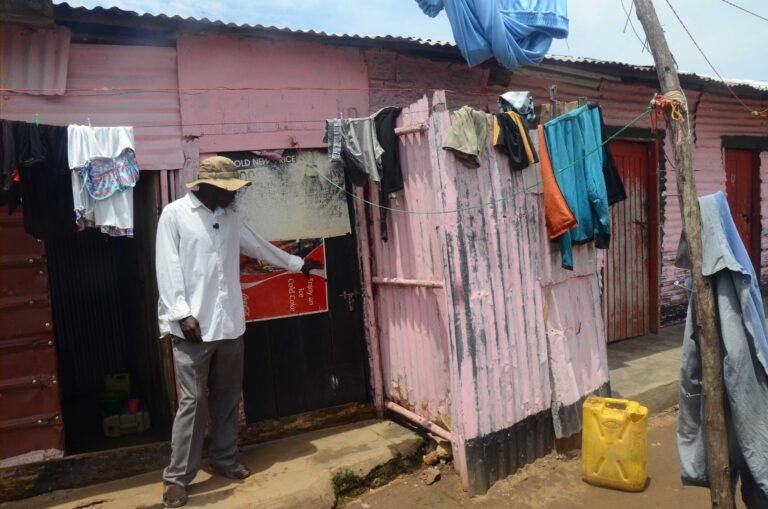
“This approval feels like a repeated punishment,” said Kalema Robert, a taxi driver in Kampala. “We hear about loans every month, but the potholes on my route get deeper. They promise hospitals, but we see empty foundations. The money vanishes, and we are left with the bill.”
The public’s cynicism is rooted in visible failures. Numerous high-profile infrastructure projects, initially funded by previous loans, remain incomplete or stalled. Reports of unfinished roads, under-equipped health centres, and ghost projects have become commonplace. This tangible lack of progress fuels allegations of widespread corruption and mismanagement within the public financial system.
Transparency advocates and opposition lawmakers are amplifying these concerns. “The issue isn’t borrowing per se,” noted Sarah Mutesi, an economist with a local think-tank. “The issue is the crippling lack of transparency and accountability. We have a weak audit culture, and enforcement against misappropriation is perceived as lax. Each new loan, without demonstrable results from the last, increases the risk of debt distress.”
Uganda’s public debt has ballooned in recent years, now exceeding Shs 96 trillion. Debt servicing consumes a significant portion of the national budget, diverting funds from critical areas like education and healthcare—a fact not lost on citizens feeling the pinch of high taxes and inflation.
The government has pointed to projects like the Karuma and Isimba hydropower dams as successes of external financing. Yet, for many ordinary Ugandans, these large-scale projects feel disconnected from their daily struggles with poor local roads, rising costs, and unemployment.
As the Shs 9 trillion loan is processed, the call for stringent oversight is growing louder. Civic groups are demanding real-time, accessible publication of loan allocation and project progress, alongside stronger anti-corruption measures.
The loan may be approved, but the government’s larger challenge is clear: to restore rapidly eroding public trust by ensuring that this massive injection of debt translates into visible, tangible development for all Ugandans. Without this, the financial burden will continue to grow, alongside the anger of the people expected to pay for it.
About The Author