
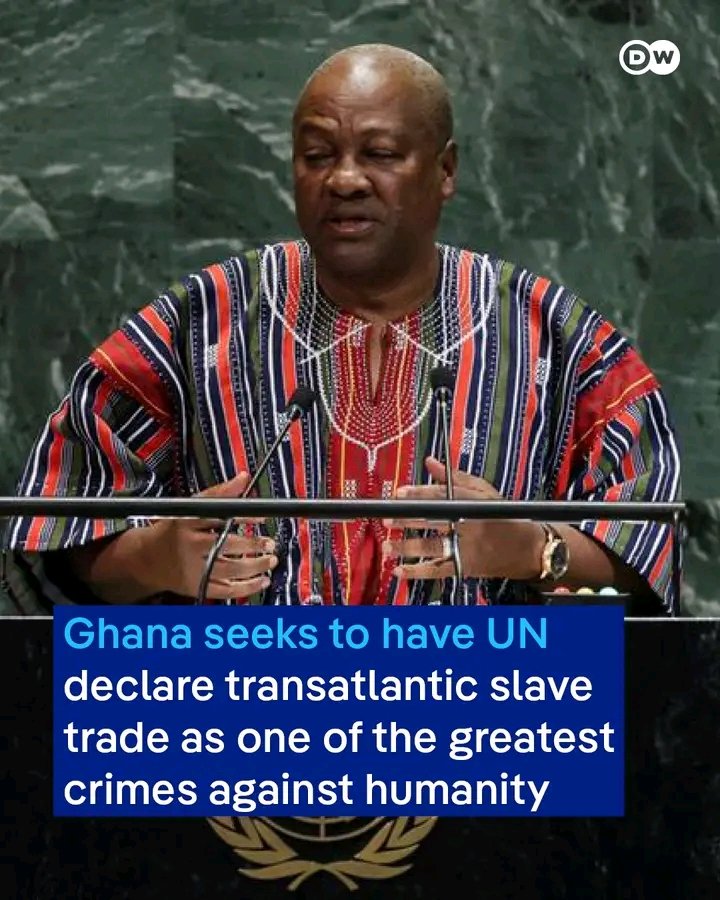
Ghana to Table UN Resolution Declaring Slave Trade a Top Crime Against Humanity
ACCRA, March 24, 2026 – In a landmark move for the African continent, Ghana will formally present a resolution at the United Nations on Tuesday, seeking international recognition of the transatlantic slave trade as one of the greatest crimes against humanity.
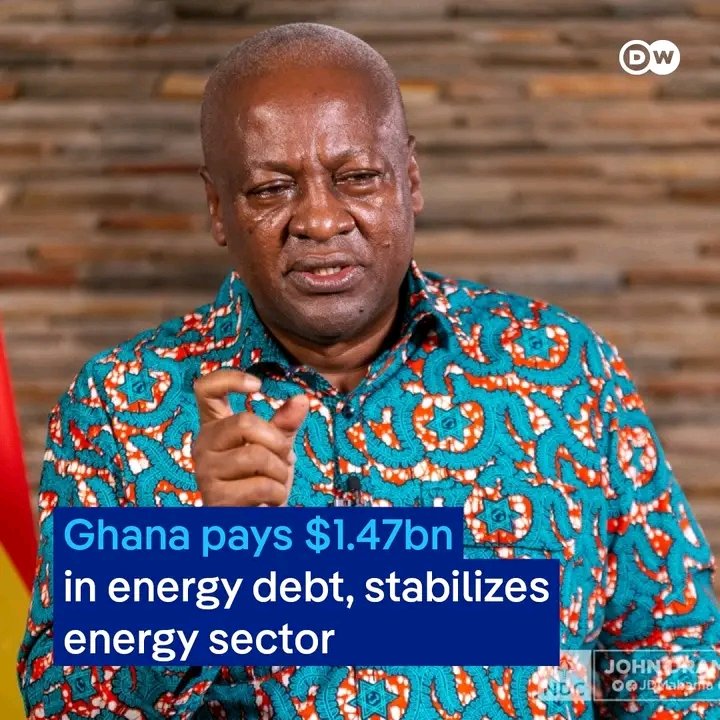
This diplomatic push, championed by Ghanaian President John Mahama in his role leading the African Union’s call for reparations, aims to build unprecedented global momentum for restitution from former colonial powers.
The announcement was made by Ghana’s Foreign Minister, Samuel Okudzeto Ablakwa, during a high-profile engagement with Jamaica’s Prime Minister in Accra. The meeting underscored a strategic alignment between African and Caribbean nations, whose populations were profoundly shaped by the brutal legacy of the slave trade.
“The goal of this push is to ensure reparations, restitution and justice for Africans who suffered from slavery,” stated Foreign Minister Ablakwa, speaking on behalf of President Mahama.
The planned resolution marks a significant escalation in the long-standing quest for reparations. By seeking to codify the historical consensus on the scale of the atrocity within the UN framework, Ghana and its allies hope to establish a stronger ethical and legal foundation for their demands.
The transatlantic slave trade, which operated from the 16th to the 19th centuries, forcibly displaced an estimated 12-15 million Africans, resulting in immense suffering, death, and generational trauma. The economic systems of several European nations and the Americas were built upon this exploitation.
President Mahama has been at the forefront of revitalizing the reparations conversation, framing it as an essential step toward global equity and historical accountability. The resolution is expected to trigger a major diplomatic debate, potentially polarizing member states with different historical legacies.
The move has already garnered strong support from the Caribbean Community (CARICOM), which has its own active reparations commission. Collaboration between Africa and the diaspora is seen as key to applying sustained international pressure.
The UN General Assembly hall will become the next arena for this historic reckoning when the resolution is tabled on March 25, setting the stage for one of the most consequential debates on justice, history, and legacy in recent years.
About The Author