

“The Phone Stopped Ringing”: Ugandan Politician Speaks on Isolation After Defeat
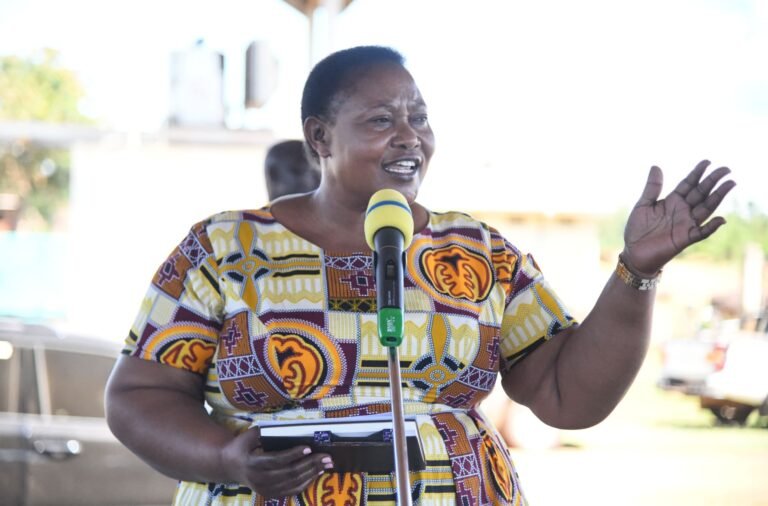
KAMPALA — In a poignant reflection on the often brutal reality of political life, Doreen Nyanjura, the outgoing Deputy Lord Mayor of Kampala, has laid bare the sudden silence that follows electoral defeat, stating that the prestige and attention afforded to a politician are tied solely to the office, not the person.
The prominent (PFF) People’s Front For Freedom member took to social media to share her experience as she prepares to exit her council position in May. “I hardly receive emails these days, even the phone calls have reduced, the invitations have dimmed,” Nyanjura wrote, using the hashtag #politicalreality.
She drew a stark distinction between herself and the title she held: “The emails were not being sent to Nyanjura, the phone calls were not being made to Nyanjura, the invitations were not for Nyanjura. They were emails, phone calls and invitations to the position that I am exiting in May!”
A Call for Support for the “Losers”
Her commentary extended beyond personal experience to a critique of societal and institutional attitudes toward unsuccessful candidates. Nyanjura called on non-governmental organizations to rebalance their post-election focus.
“NGOs that organize leadership sessions for those that emerge victorious after elections need to start putting more emphasis on training sessions for those that don’t emerge victorious,” she urged. She highlighted a culture that glorifies victory at all costs, noting, “Society loves walking and moving alongside winners, no matter how they won!”
She described the plight of defeated candidates as one often met with public indifference. “Very few people care about ‘losers’ that are largely nursing wounds of defeat, they have debts and the future seems bleak,” Nyanjura stated, pointing to the compounded challenges of financial strain, psychological toll, and diminished prospects.
A Jab at Opposition “Ambassadors”
The politician concluded her thread with a pointed remark seemingly directed at colleagues within opposition circles. “I think our self appointed ambassadors that went to State House were looking for solace, unfortunately for them, they went to a wrong person and to a wrong place,” she wrote. This is widely interpreted as a critique of opposition figures who have engaged with President Yoweri Museveni’s administration following recent contentious elections.
Context and Reaction
Nyanjura, a former political prisoner and a steadfast figure in Uganda’s opposition, recently experienced defeat in bids for the Kampala Lord Mayor seat and a parliamentary position. Her candid post has sparked a mix of empathy and debate online.
Many supporters and fellow politicians echoed her sentiments, sharing similar experiences of post-election isolation and financial hardship. The discussion has opened a broader conversation about the lack of a safety net or structured transition support for individuals who dedicate themselves to public service but fall short at the polls.
Analysts suggest her remarks underscore a pervasive, if unspoken, truth in politics worldwide, but one that is particularly acute in highly competitive environments where resources are scarce and political allegiances can be fleeting.
As Uganda’s political landscape continues to evolve, Nyanjura’s reflections serve as a sobering reminder of the human cost of electoral politics and the transient nature of political capital.
About The Author