
‘200 Years to Change’: Gashumba Alleges 70% of Uganda’s Schools Owned by Gov’t Officials, Blocking Fee Reforms
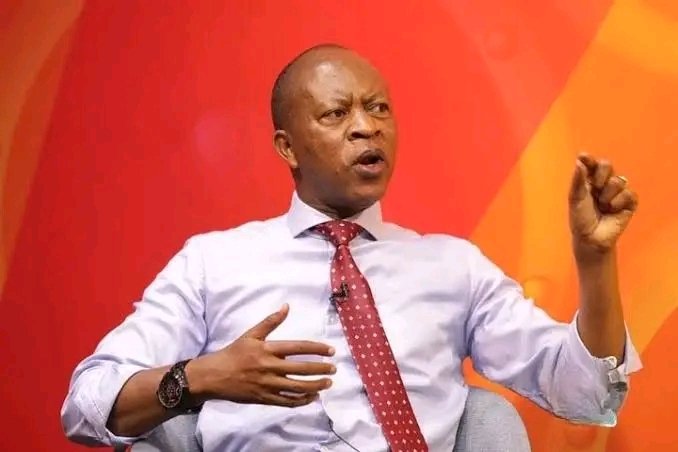
KAMPALA — Renowned political analyst Frank Gashumba has levelled explosive allegations against senior government officials, claiming that the majority of Uganda’s schools are privately owned by the very people tasked with regulating them.
In a strongly worded statement released Monday, Gashumba asserted that 70% of schools in the country are owned by top government officials. He argues this ownership structure presents an insurmountable conflict of interest, making it impossible for the government to introduce policies that would lower school fees or adjust education standards in favour of poor families.
“There is no way the government can think of coming up with a policy on lowering school fees,” Gashumba said. “Because the people in power are the ones benefiting from high fees.”
The analyst painted a damning picture of what he describes as a self-perpetuating cycle of corruption. According to Gashumba, the typical model involves a public official first embezzling public funds. Those stolen billions are then laundered through the education sector by establishing private schools.
“A government official steals money, then starts up a school, and charges high fees from the very people he stole the money from,” he explained.
Gashumba further alleged that the profits extracted from poor Ugandan parents are then used to facilitate luxurious lifestyles and overseas education for the children of these same officials.
“After poor Ugandans pay fees, the government official sends his children abroad to study in prestigious schools,” he said. “Worse still, when they return from abroad, they are the ones who get high-paying jobs, while the children of poor parents are left to ride bodabodas.”
The analyst expressed deep pessimism regarding the trajectory of the nation, suggesting that systemic rot is now deeply entrenched.
“Uganda needs over 200 years if things are to change,” he stated.
Gashumba’s remarks come at a time when the cost of education remains a significant barrier for low-income households. While the government has previously introduced initiatives such as Universal Primary Education (UPE) and Universal Secondary Education (USE), many parents argue that the quality of these public institutions remains inferior to private schools—a gap Gashumba insists benefits ruling elites.
Attempts to reach officials from the Ministry of Education and the State House Investors Registry for comment on the specific ownership claims were not immediately successful.
The allegations are likely to reignite debate on the intersection of wealth, power, and public service delivery in Uganda.
About The Author