
Iran Accuses US and Israel of Repeated Attacks on Nuclear Facilities, Warns of Radioactive Contamination Risk
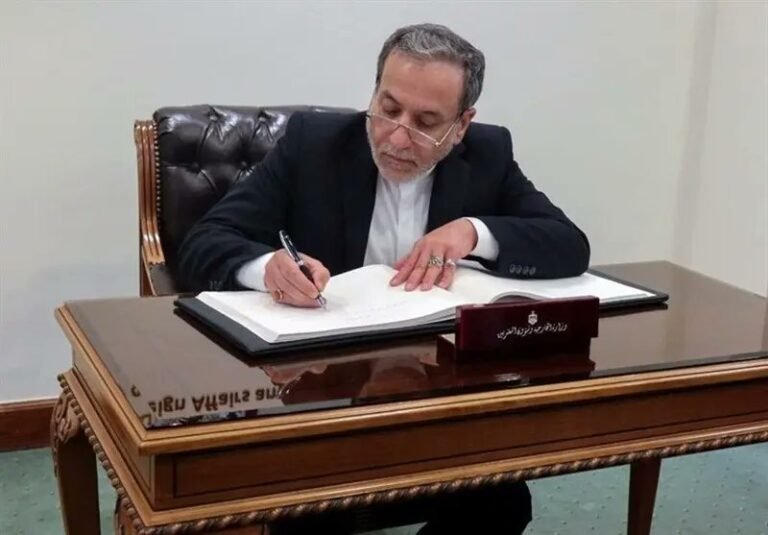
TEHRAN – Iran’s Foreign Minister, H.E. Dr. Abbas Araghchi, has formally notified the United Nations Security Council and the IAEA of ongoing armed attacks by the United States and Israel against several of Iran’s safeguarded nuclear facilities, including the active Bushehr Nuclear Power Plant.
In a letter dated 3 April 2026, Araghchi detailed a series of strikes carried out since the onset of what he termed “two wars of aggression” imposed on Iran since 28 February 2026. He warned that attacks near the Bushehr plant risk catastrophic radioactive contamination across the region, with grave humanitarian and environmental consequences.
According to the letter, the attacks include:
· 1 March: Two attacks on the Natanz nuclear facility.
· 17 March: A strike on a structure just 350 meters from the active Bushehr plant.
· 21 March: Bombing of several points at Natanz.
· 24 March: A projectile striking within the broader perimeter of Bushehr.
· 27 March: A third attack on the Bushehr site, alongside strikes on the Heavy Water Production Plant at Khondab-Arak and the Ardakan-Yazd Uranium Processing Site.
Araghchi highlighted that repeated strikes in the immediate vicinity of the Bushehr plant constitute an “intolerable escalation” due to the risk of radiological release.
The Foreign Minister expressed deep disappointment over the inaction of the UN Security Council and the IAEA, stating they have failed even to condemn the illegal attacks, let alone prevent their recurrence. He warned that this emboldened the aggressors, citing recent remarks by the U.S. Permanent Representative to the UN that attacks on Bushehr are “not off the table.”
The letter invokes international humanitarian law, specifically Article 56 of the 1977 Additional Protocol I to the Geneva Conventions, which provides absolute protection for nuclear electrical generating stations. It also notes Article 55, which obliges parties to armed conflict to protect the natural environment from widespread, long-term damage.
In a rare diplomatic rebuke, Araghchi also formally protested statements made by the IAEA Director General during media interviews in March 2026. Iran alleges the Director General disclosed sensitive safeguards information and made remarks suggesting the likelihood of nuclear weapons use against Iran, which Tehran says risks normalizing threats against NPT signatories and undermines the Agency’s impartiality.
“The consequences of such inaction would not be confined to Iran,” Araghchi warned, adding that continued indifference could cause member states to lose confidence in the United Nations, the IAEA, and the broader non-proliferation regime.
He requested the letter be registered as a UN Security Council document and circulated as an IAEA INFCIRC document.
About The Author