
Iran Students Stage First Major Anti-Government Protests Since Deadly Crackdown
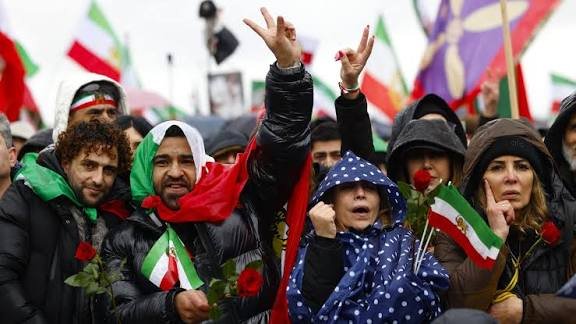
TEHRAN — Students at several universities across Iran staged large anti-government protests on Saturday, marking the first significant demonstrations since the authorities’ deadly crackdown on widespread unrest in January.
The BBC has verified footage showing hundreds of protesters marching peacefully on the campus of the Sharif University of Technology in the capital, Tehran, at the start of a new semester. The crowds could be heard chanting “death to the dictator,” a direct reference to Supreme Leader Ayatollah Ali Khamenei, along with other anti-government slogans.
Video from the scene also showed a separate, rival pro-government rally nearby, with attendees waving Iranian national flags. Scuffles later broke out between the two groups.
Verified photos and footage also emerged of protests at other major institutions, including a peaceful sit-in at Shahid Beheshti University in Tehran and chanting against the government at the city’s Amir Kabir University of Technology. In Mashhad, Iran’s second-largest city, local students reportedly chanted “Freedom, freedom” and “Students, shout, shout for your rights.”
It is not immediately clear if any arrests were made. Reports suggest protests may continue on Sunday.
The demonstrations come at a time of heightened tension between Iran and the United States. President Donald Trump has built up the American military presence near Iran and stated he is considering a limited military strike, giving a rough “10-day” window to see if a deal to curb Iran’s nuclear program can be reached.
The protests are the first major show of dissent since the unrest in January, which began over economic grievances and quickly escalated into the largest challenge to the government since the 1979 Islamic Revolution. According to the US-based Human Rights Activists News Agency (Hrana), at least 7,015 people were killed during that wave of protests, a figure that includes protesters, children, and government affiliates. Iranian authorities have given a much lower figure, claiming the majority of the more than 3,100 dead were security personnel or bystanders attacked by “rioters.”
President Trump has previously voiced support for the protesters. His envoy, Steve Witkoff, said on Saturday that the president was questioning why Iran had not “capitulated” in the face of Washington’s military buildup and threats.
The exiled opposition is divided on how to respond to the current crisis. Some factions are adamantly calling on Trump to follow through on his threats and strike Iran, hoping for a rapid collapse of the government. Other opposition groups are strongly against any form of outside intervention. Both sides have been engaged in disinformation campaigns on social media, attempting to amplify conflicting narratives about what the Iranian people want.
About The Author