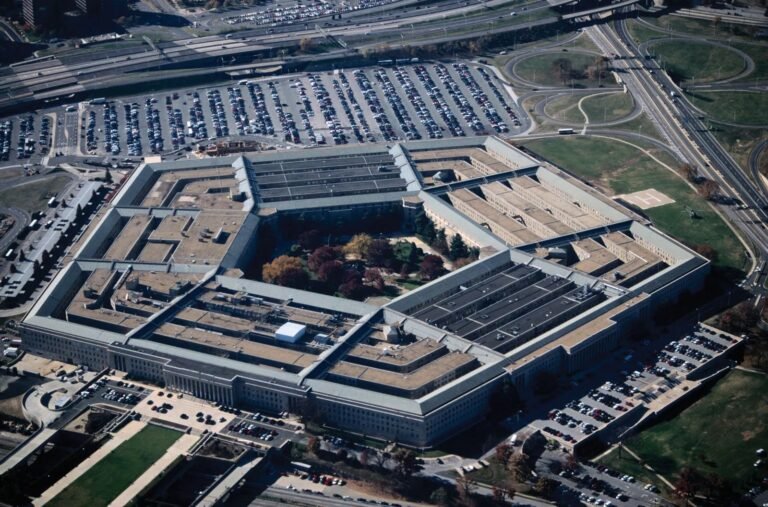
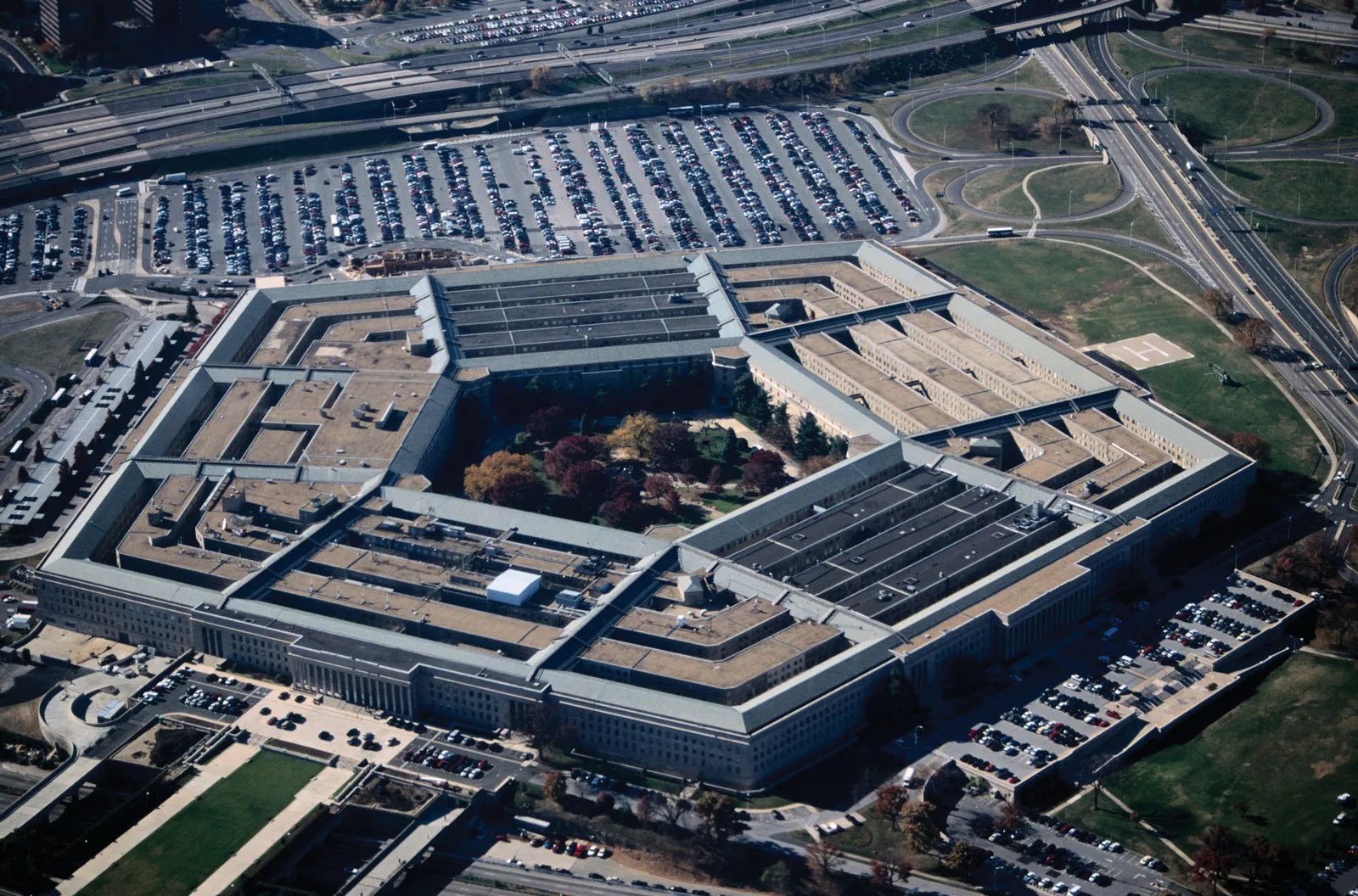
PENTAGON ORDERS DEFENSE FIRMS TO MAP AI DEPENDENCIES IN ESCALATING STANDOFF WITH ANTHROPIC

The Department of Defense has initiated a sweeping audit of the defense industrial base’s reliance on Anthropic’s Claude AI, signaling the opening salvo in what analysts describe as a high-stakes confrontation between the Pentagon and one of America’s most valuable technology companies.
According to documents obtained and confirmed by multiple sources, Pentagon officials contacted Boeing and Lockheed Martin on Wednesday—one day after delivering an ultimatum to Anthropic CEO Dario Amodei—instructing them to assess their exposure to Claude. The directive precedes Friday’s deadline for Anthropic to remove restrictions on the use of its AI technology or face potential designation as a “supply chain risk,” a label previously reserved for foreign adversaries like Huawei.
Lockheed Martin confirmed it received the inquiry. Boeing stated it currently maintains no active contracts with Anthropic. The Pentagon told Axios it plans to contact “all the traditional primes” to map Claude’s footprint across the entire defense industrial base.
The Ultimatum
The confrontation escalated sharply on Tuesday when Secretary of Defense Pete Hegseth summoned Amodei to the Pentagon. According to sources familiar with the meeting, Hegseth demanded that Anthropic remove two specific restrictions from its acceptable use policy: prohibitions on using Claude for mass surveillance of American citizens and for weapons systems that operate without human intervention.
The deadline: Friday at 5:01 p.m.
Failure to comply, Hegseth warned, would trigger invocation of the Defense Production Act and potential blacklisting of Anthropic from federal contracting.
The Replacement
The day before delivering the ultimatum, the Pentagon signed an agreement granting Elon Musk’s xAI access to classified networks. Sources confirm xAI agreed to “all lawful purposes” without reservation, effectively positioning the company as a ready replacement should Anthropic refuse to capitulate.
“This was never about the money,” said one defense industry analyst. “Anthropic’s Pentagon contract is approximately $200 million. The company has $14 billion in annual revenue. The threat is existential, but not financial.”
Supply Chain Risk
The designation the Pentagon is considering would have cascading effects far beyond direct government contracts. A “supply chain risk” label would require every corporation doing business with the defense industry to certify they do not use Claude in any military-adjacent capacity.
Given that eight of the ten largest U.S. companies use Claude, according to Anthropic, the ripple effects would be substantial. Major defense contractors, commercial enterprises with defense divisions, and technology companies serving military clients would all face compliance burdens.
Context of the Conflict
The confrontation marks a dramatic reversal for the Pentagon, which previously integrated Claude into classified military networks and credited the AI with assisting in operations to capture Venezuelan leader Nicolás Maduro. One Pentagon official recently stated: “The only reason we’re still talking to these people is we need them and we need them now.”
Anthropic’s rapid growth—from $1 billion in annualized revenue in December 2024 to $14 billion by February 2026—has made it one of the most valuable private companies in history, with a $380 billion valuation following its Series G round. Claude Code, its agentic coding product, generates more than $2.5 billion in annualized billings after just nine months.
But the company’s foundational commitment to AI safety, including its “constitutional AI” framework that includes restrictions on certain military applications, now places it in direct conflict with Pentagon procurement priorities.
Broader Implications
Industry observers note that the timing coincides with the Trump administration’s broader push to eliminate perceived barriers to AI development and deployment. The standoff tests whether companies can maintain ethical restrictions while accessing the nation’s largest technology buyer.
“Anthropic said no to two things: mass surveillance of American citizens and weapons that fire without human involvement,” said one technology policy expert. “The Pentagon is now preparing to make the most capable AI model in the world radioactive to every corporation that touches the defense industry.”
Anthropic has not publicly commented on the ultimatum. The company’s leadership previously indicated that its safety commitments are non-negotiable components of its corporate charter.
The deadline expires Friday at 5:01 p.m.
About The Author