
State Takes Control of Private Guard Training
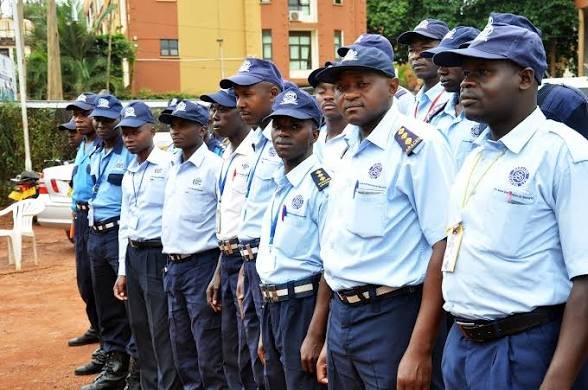
April 1, 2026 – The Uganda Police Force has assumed control over the training of private security guards in a major policy shift aimed at tightening standards and addressing growing concerns over professionalism and public safety in the sector.
The move, revealed by Internal Affairs Minister David Muhoozi, comes as Parliament scrutinises the operations of Private Security Organisations (PSOs). Currently, over 7,000 guards are undergoing state-funded training.
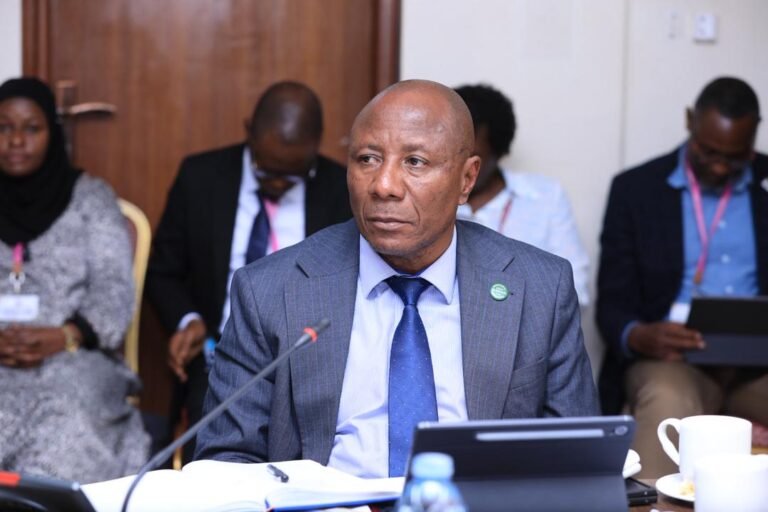
Appearing before the Defence and Internal Affairs Committee on March 23, Minister Muhoozi said the government is introducing a centralised and standardised training framework to ensure guards are “not a risk” but a reliable complement to national security.
“Private security guards will either be trained in police schools or by police trainers deployed to accredited companies at a subsidised cost,” Muhoozi told the committee. “As we speak, about 7,085 trainees are undergoing training free of charge in our facilities.”
The first cohort is expected to complete the programme on April 24, 2026, with training currently underway at facilities including the Police Training School in Kabalye, Masindi District.
Lawmakers call for broader reforms
While lawmakers welcomed the move, they called for broader reforms to govern the rapidly expanding private security industry.
Wilson Kajwengye backed tighter regulation but questioned reliance on the existing Police Act, arguing that the sector requires a standalone law.
“Security is not like trading chapati,” Kajwengye said. “We need a dedicated law to regulate private security organisations, especially when their numbers now rival those of state forces.”
He pointed to countries like South Africa, where the industry is governed by a specialised authority overseeing more than 500,000 private guards.
According to police, Uganda currently has 457 registered PSOs employing over 82,600 guards, with access to approximately 28,000 firearms, in addition to weapons hired from police. The scale of the sector has raised concerns among legislators about oversight, accountability, and the potential risks posed by poorly trained personnel.
Questions over sustainability
While the government defended the decision to fund the training using police resources as a “quick win,” some MPs questioned the sustainability and fairness of the arrangement.
Deputy Inspector General of Police James Ochaya told the committee that the initial training phase is fully funded by the police budget, with PSOs not contributing financially. “This is our contribution as police. They raised challenges in training, so we stepped in to ensure standards are improved,” Ochaya said.
Minister Muhoozi acknowledged the cost implications, noting that future training will need to be formalised and budgeted for, potentially with cost-sharing mechanisms involving private firms.
Tensions over military involvement
The hearing also exposed tensions within the sector, particularly over the entry of the military-linked National Enterprise Corporation (NEC) into private security services.
Abdallah Kiwanuka questioned whether the involvement of the Uganda People’s Defence Forces risks blurring the line between public duty and commercial interests. “Don’t you think this creates a conflict, where the pursuit of profit could compromise the primary mandate of providing national security?” Kiwanuka asked.
However, Minister Muhoozi defended the arrangement, citing the Uganda People’s Defence Forces Act, which allows the military to engage in economic activities through NEC.
Caution on operational role
Despite the push to professionalise the sector, the government signalled caution on expanding the operational role of private guards, particularly in sensitive situations such as riots or civil unrest.
Muhoozi emphasised that public order management remains the preserve of formal security agencies, including police, the military, and prisons services.
“Calling unstandardised armed personnel into such situations would be chaotic,” he warned, adding that improved training could, in the future, allow for limited support roles under strict conditions.
About The Author